Last Updated on September 9, 2026
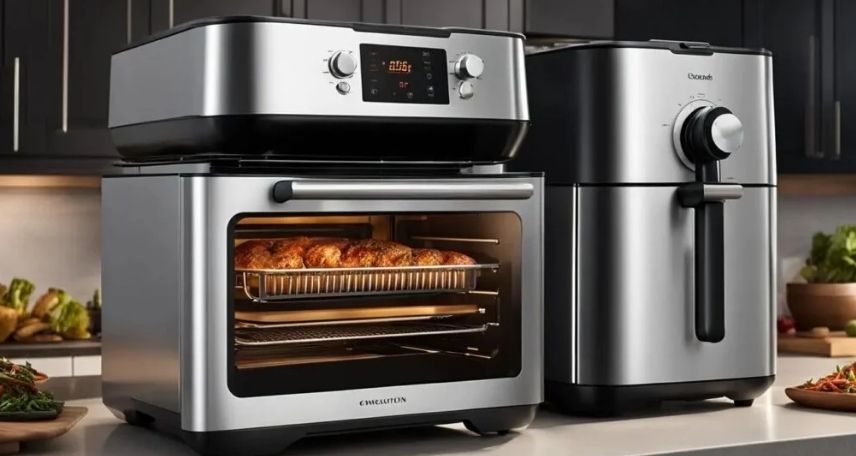
Are you torn between choosing an air fryer or a convection oven for your kitchen? Both promise faster cooking and healthier meals, but which one is truly right for you?
Understanding the key differences can save you time, money, and frustration. You’ll discover how each appliance works, their unique benefits, and which one fits your lifestyle best. Keep reading to make a confident choice that will transform the way you cook forever.
How Air Fryers Work
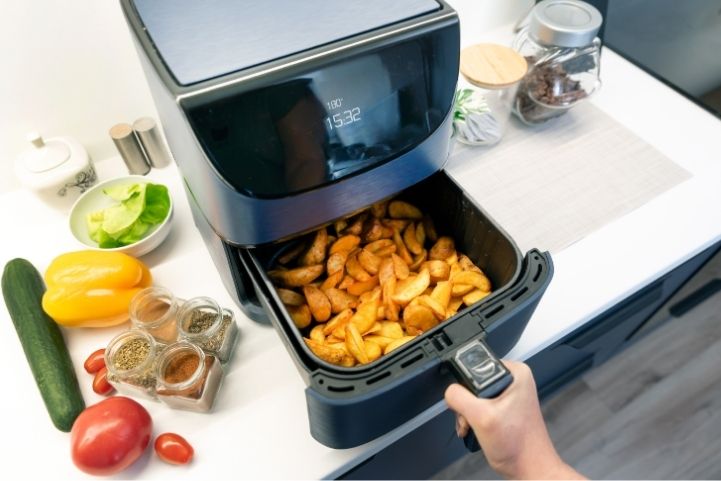
Air fryers cook food by using hot air circulation. This method creates a crispy outside while keeping the inside tender. The process uses less oil than traditional frying. It is a healthier way to enjoy fried foods.
The technology inside air fryers speeds up cooking. It spreads heat evenly around the food. This allows for quick and consistent results. The compact size of air fryers also helps with faster cooking.
Rapid Air Technology
Rapid air technology moves hot air at high speed. This air flows around the food in a special basket. The fast-moving air cooks food evenly on all sides. It creates a crunchy texture similar to deep frying.
This technology reduces the need for much oil. A small amount or no oil can be used. It makes meals less greasy and lowers calories. Rapid air technology also saves cooking time.
Compact Design Benefits
Air fryers have a small, compact design. This size helps heat concentrate around the food. Compact design means less space is needed in the kitchen. It also allows faster heating and cooking.
The small interior means air circulates more quickly. This improves cooking efficiency and food texture. Compact air fryers are easy to store and clean. They fit well on countertops or in small kitchens.
How Convection Ovens Work
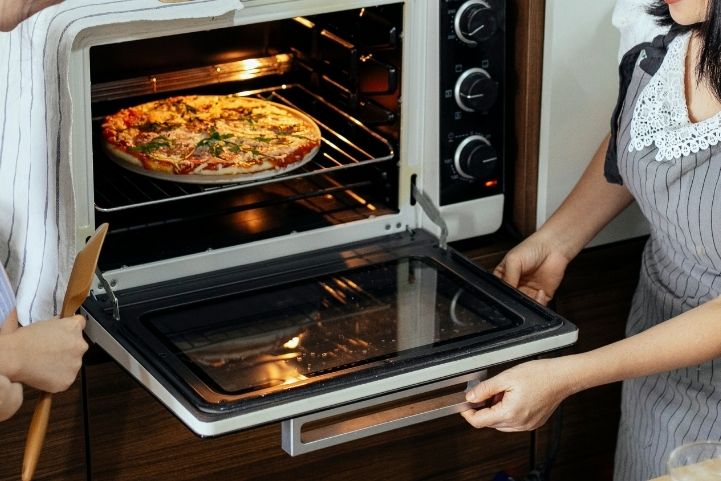
Convection ovens cook food using a fan and a heating element. The fan moves hot air around the food. This helps cook food evenly and faster than regular ovens. The heat reaches all sides of the food, making it crispy outside and tender inside.
These ovens are common in many kitchens. They offer more space and consistent cooking results. Many chefs prefer convection ovens for baking and roasting.
Fan-assisted Heat Circulation
The fan inside the convection oven blows hot air across the food. This air moves in a circular motion. It spreads heat evenly around the food’s surface. This stops hot spots and uneven cooking.
The continuous air flow helps remove moisture from the food’s surface. This creates a crispy texture on items like roasted vegetables or baked goods. The heat also penetrates food faster, reducing cooking time.
Size And Capacity Advantages
Convection ovens come in various sizes. They often have larger interiors than air fryers. This allows cooking bigger meals or multiple dishes at once.
The larger space also means you can use bigger pans and trays. This is useful for families or when cooking for guests. It gives more flexibility in meal preparation.
Cooking Performance Comparison
Cooking performance is a key factor when choosing between an air fryer and a convection oven. Each appliance offers unique benefits and works differently. Understanding these differences helps in selecting the right tool for your kitchen. This section compares their cooking speed, texture and crispiness, and evenness of cooking.
Cooking Speed
Air fryers cook food faster than convection ovens. They use rapid hot air circulation in a smaller space. This speeds up the cooking process. Convection ovens take longer due to their larger size. The air inside needs more time to heat evenly. For quick meals, air fryers hold an edge.
Texture And Crispiness
Air fryers excel at creating crispy textures. The fast air flow crisps food well without much oil. This makes fried foods healthier. Convection ovens also provide good crispiness but often require more oil. The texture may be less crunchy compared to air fryers. For crispy snacks, air fryers are preferable.
Evenness Of Cooking
Convection ovens deliver more even cooking overall. Their larger size allows heat to spread uniformly. This helps cook bigger or multiple items at once. Air fryers can sometimes cook unevenly if overloaded. Smaller cooking baskets limit food quantity. For consistent results on larger meals, convection ovens perform better.
Health And Nutrition Factors
Health and nutrition are key concerns when choosing kitchen appliances. Both air fryers and convection ovens offer healthier cooking options compared to traditional frying. Understanding how each appliance affects oil use and nutrient retention helps make better food choices.
Oil Usage Differences
Air fryers use very little oil, often just a teaspoon or less. Hot air circulates rapidly, cooking food evenly and creating a crispy texture. This method cuts down fat intake significantly.
Convection ovens also reduce oil use compared to deep frying. They require more oil than air fryers but still less than traditional frying. The oil often adds flavor and moisture without heavy greasiness.
Choosing an air fryer can lower calorie intake from fats. Convection ovens offer a good balance for recipes needing some oil.
Nutrient Retention
Both appliances cook food quickly, which helps keep vitamins and minerals intact. Fast cooking means fewer nutrients are lost to heat.
Air fryers use intense heat in a small space, which may preserve nutrients better in some foods. They prevent overcooking by circulating hot air rapidly.
Convection ovens provide even heat distribution but take longer to cook. Longer cooking times may lead to minor nutrient loss, especially in vegetables.
Both methods are healthier than deep frying, preserving more nutrients while reducing unhealthy fats.
Ease Of Use And Maintenance
Choosing between an air fryer and a convection oven depends on how easy they are to use and maintain. Both kitchen tools offer fast cooking, but they differ in controls and cleaning. These factors can affect your daily cooking experience.
User Interface And Controls
Air fryers usually have simple buttons or touchscreens. They often include presets for common foods. This makes cooking quick and easy for beginners.
Convection ovens might have more buttons and dials. Some models include digital displays and timers. They offer more cooking options but can be harder to learn.
Cleaning And Upkeep
Air fryers have smaller baskets that are often non-stick and dishwasher safe. This makes cleaning fast and simple.
Convection ovens have larger trays and racks. They may need more scrubbing and careful cleaning. Some parts can be removed for easier washing.
Both appliances need regular wiping to avoid buildup. Keeping them clean helps them work better and last longer.
Versatility And Recipe Options
Both air fryers and convection ovens offer great versatility in cooking. They handle many recipes but differ in how they cook and what recipes suit them best.
Understanding their versatility helps choose the right appliance for your kitchen. Let’s explore the types of dishes each device cooks well and their settings for customization.
Types Of Dishes Suitable
Air fryers excel at cooking crispy foods quickly. They are perfect for fries, chicken wings, and small baked goods. These foods get a crunchy texture without much oil.
Convection ovens work well for larger meals and a variety of dishes. You can roast vegetables, bake cakes, and cook casseroles. The even heat helps cook food thoroughly and evenly.
Air fryers suit snacks and small portions. Convection ovens handle bigger or multiple dishes at once.
Customization And Settings
Air fryers often have simple controls. Most come with preset modes for frying, baking, or roasting. Temperature and timer adjustments are easy to manage.
Convection ovens offer more control over cooking settings. You can adjust temperature, time, and sometimes humidity. This helps with delicate recipes like bread or slow-roasted meats.
Convection ovens allow for more detailed cooking control. Air fryers focus on speed and ease of use.
Energy Efficiency And Cost
Energy efficiency and cost matter a lot when choosing kitchen appliances. Both air fryers and convection ovens offer ways to cook food faster and save power. Yet, they use electricity differently and cost differently over time. Understanding these differences can help you pick the best option for your kitchen and budget.
Electricity Consumption
Air fryers use less electricity because they cook smaller amounts quickly. Their compact size heats up fast and keeps heat inside. This means less energy waste and shorter cooking times.
Convection ovens use more electricity as they have a larger space to heat. They need more power to maintain steady heat for longer periods. This can increase electricity use, especially for big meals.
Initial And Long-term Costs
Air fryers usually cost less upfront. They are smaller and simpler in design. This makes them affordable for many households.
Convection ovens tend to have higher initial prices. They often include more features and larger capacity. Over time, they might cost more to run due to higher energy use.
Long-term costs depend on how often you use each appliance. Air fryers save money on electricity bills. Convection ovens might be better for cooking large meals, despite higher costs.
Space And Kitchen Fit
Choosing between an air fryer and a convection oven often depends on space. Kitchens vary in size, and the fit of appliances matters. Small kitchens need compact options that don’t crowd the countertop. Larger kitchens might handle bigger appliances with ease. Understanding the space each device takes helps make a better choice for your kitchen.
Countertop Footprint
Air fryers usually have a smaller footprint. They fit well on limited countertop space. Most models are compact and easy to place. Convection ovens tend to be larger. They take up more counter area due to their shape. This size difference affects where you can put them. Countertop space is often tight in many homes. Choosing a smaller appliance saves room for other kitchen tools.
Storage Considerations
Storage matters for both appliances. Air fryers are often easier to store after use. Their smaller size means they fit in cabinets or shelves. Convection ovens need more storage space. They are bulky and heavier to move. Frequent use might mean leaving the convection oven out on the counter. Think about your kitchen layout and storage options. This helps avoid clutter and keeps your kitchen organized.
Choosing The Right Appliance
Choosing the right kitchen appliance can change how you cook every day. Both air fryers and convection ovens offer quick cooking with less oil. Deciding which fits your needs depends on several factors. Think about your lifestyle and kitchen space. Also, consider your budget. These points help find the best fit for your home.
Lifestyle And Cooking Needs
Air fryers are great for fast meals and snacks. They work well for small portions. If you cook mainly for one or two people, an air fryer saves time and energy. Convection ovens suit bigger families or those who cook large meals. They can bake, roast, and toast more food at once. Choose the appliance that matches how often and what you cook.
Budget And Space Constraints
Air fryers usually cost less and take up less counter space. They fit easily in small kitchens or apartments. Convection ovens tend to be larger and cost more. They need enough room on your countertop or inside a cabinet. Think about your kitchen size and how much you want to spend. This helps avoid clutter and keeps your space organized.
Frequently Asked Questions
What Is The Main Difference Between Air Fryer And Convection Oven?
An air fryer uses rapid hot air circulation to crisp food quickly. A convection oven circulates hot air but cooks slower and is larger. Air fryers are compact and focus on frying, while convection ovens offer versatile baking and roasting.
Which Appliance Cooks Food Faster, Air Fryer Or Convection Oven?
Air fryers cook food faster than convection ovens. They use intense, focused hot air circulation that crisps food quickly. Convection ovens take longer due to larger space and less concentrated airflow. For quick meals, air fryers are more efficient.
Are Air Fryers Healthier Than Convection Ovens?
Both use hot air to cook food with less oil, making them healthier than deep frying. However, air fryers generally require less oil than convection ovens. Both appliances help reduce fat content, making meals healthier and lower in calories.
Can Convection Ovens Replace Air Fryers In Cooking?
Convection ovens can mimic many air fryer functions but may take longer. They offer more cooking space and versatility. Air fryers excel at crisping with less oil and faster cooking. Choice depends on cooking style and kitchen space.
Conclusion
Both air fryers and convection ovens cook food quickly and evenly. Air fryers work well for small, crispy snacks. Convection ovens handle larger meals and bake better. Consider your kitchen space and cooking needs. Choose the one that fits your lifestyle best.
Either way, you can enjoy tasty, healthier meals at home. Simple tools, great results.