Last Updated on September 9, 2026
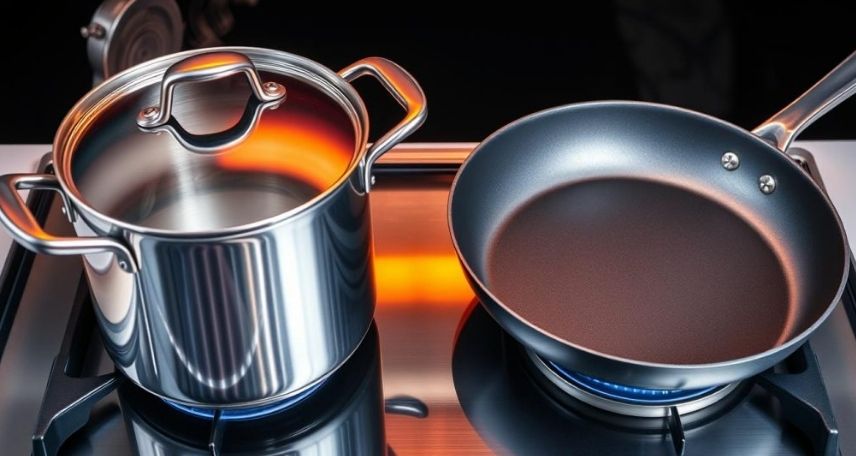
When it comes to choosing cookware, you want the best for your kitchen and your meals. But should you go for stainless steel cookware or nonstick cookware?
Each has its own strengths and weaknesses that can make a big difference in how you cook and clean up. Imagine having pans that last for years, or ones that make cooking and washing up almost effortless. Which one fits your style and needs?
Keep reading, and you’ll discover the key facts that will help you make the perfect choice for your kitchen.
Material Basics
Choosing the right cookware depends a lot on the material it is made from. Each type offers unique benefits and challenges. Knowing the basics of these materials helps you make the best choice for your kitchen.
What Is Stainless Steel?
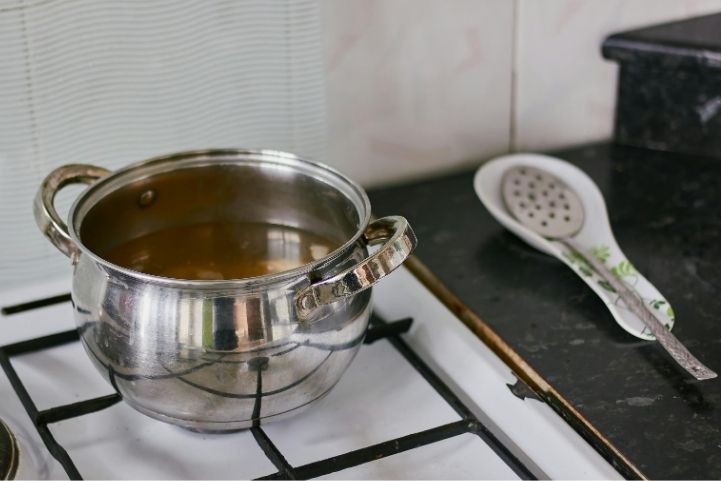
Stainless steel is a metal alloy made from iron, carbon, and chromium. The chromium creates a thin layer on the surface. This layer stops rust and keeps the pan shiny. Stainless steel cookware is strong and long-lasting. It can handle high heat without damage. Chefs prefer it for browning and searing food. It does not react with acidic or salty foods. Cleaning is easy, but food can stick without enough oil.
What Makes Nonstick Cookware?
Nonstick cookware has a special coating on its surface. This coating prevents food from sticking during cooking. Most nonstick pans use a material called PTFE. It allows cooking with less oil and easy cleanup. The coating can wear off over time. Nonstick pans heat quickly and evenly. They work well for eggs, pancakes, and delicate foods. Avoid using metal utensils to protect the coating. Nonstick pans require gentle care to last longer.
Cooking Performance
Cooking performance is a key factor when choosing between stainless steel and nonstick cookware. This section breaks down how each type handles heat, food release, and cooking tasks. Understanding these points helps pick the right cookware for your kitchen needs.
Heat Distribution And Retention
Stainless steel pans heat evenly across the surface. This makes them ideal for searing and browning foods. They also keep heat well, allowing food to cook consistently.
Nonstick pans heat up quickly but may have hot spots. They lose heat faster than stainless steel. This can cause uneven cooking for some recipes.
Food Release And Sticking
Nonstick cookware excels at preventing food from sticking. Eggs, pancakes, and delicate fish slide off easily. This reduces the need for extra oils or fats.
Stainless steel can cause sticking if not used properly. With the right technique, food releases well. It also allows for better browning and crust formation.
Cooking Versatility
Stainless steel is highly versatile. It can go from stovetop to oven and handle high heat. It suits many cooking styles, from frying to roasting.
Nonstick pans are best for low to medium heat cooking. They are not ideal for browning or high-temperature searing. Care is needed to avoid damaging the coating.
Health And Safety
Choosing cookware affects health and safety in the kitchen. Some materials may release harmful substances during cooking. Others stay safe but need care to avoid damage. Understanding these differences helps protect your family’s health.
Stainless steel and nonstick cookware each have pros and cons. Knowing the risks and benefits helps you pick the best option for your needs.
Chemical Concerns In Nonstick Coatings
Nonstick pans often use a coating called PTFE. This chemical helps food not stick during cooking. At high heat, PTFE can release toxic fumes. These fumes may cause flu-like symptoms in some people.
Older nonstick pans sometimes contain PFOA. This chemical linked to health problems. Most modern pans no longer use PFOA. Still, overheating nonstick cookware is unsafe.
Scratches in the coating can let chemicals mix with food. Careful use avoids damage and reduces risk. Avoid metal utensils and very high heat with nonstick pans.
Stainless Steel And Food Safety
Stainless steel is a metal alloy with iron, chromium, and other elements. It does not release harmful chemicals during cooking. This makes it a safe choice for health-conscious cooks.
Some people worry about nickel or chromium allergies. These cases are rare and usually affect only sensitive individuals. Stainless steel cookware is durable and resists scratches and dents.
It handles high heat well without breaking down. Stainless steel does not react with acidic or alkaline foods. This keeps food tasting natural and safe to eat.
Durability And Maintenance
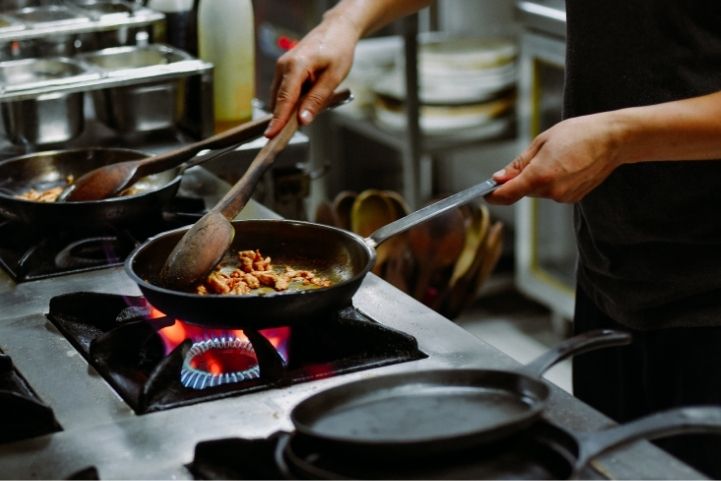
Durability and maintenance are key factors in choosing between stainless steel and nonstick cookware. Both types have strengths and weaknesses in how long they last and how easy they are to care for. Understanding these differences helps you pick the best option for your kitchen needs.
Scratch Resistance And Wear
Stainless steel cookware is highly resistant to scratches and dents. You can use metal utensils without worry. It keeps its look even after years of use. Nonstick cookware has a softer surface. It can scratch easily if you use sharp tools. Once scratched, the nonstick coating may peel or flake. This reduces its cooking performance and safety. Nonstick pans usually need replacement sooner than stainless steel.
Cleaning And Care Tips
Cleaning stainless steel is simple. Use warm, soapy water and a soft sponge. For tough stains, a baking soda paste works well. Avoid steel wool to keep the surface smooth. Nonstick pans require gentle cleaning. Use only soft sponges or cloths. Harsh scrubbing can damage the coating. Avoid dishwasher use for nonstick cookware as it may wear the coating faster. Proper care extends the life of both types but is especially important for nonstick pans.
Cost And Value
Choosing between stainless steel and nonstick cookware often depends on cost and value. Both types have different price points and lifespans. Understanding these factors helps make a smart purchase. Budget plays a big role, but long-term use matters too.
Initial Investment
Stainless steel cookware usually costs more upfront. The price reflects the quality of the metal and its durability. Nonstick pans tend to be cheaper at first. They offer quick savings for those on a budget. Some high-end nonstick options can be pricey too. The initial cost depends on brand and features.
Longevity And Replacement
Stainless steel lasts longer than most nonstick pans. It resists scratches and heat damage well. This means fewer replacements over time. Nonstick coatings wear off after a few years. Scratches or peeling reduce their effectiveness. Replacing nonstick cookware happens more often. Stainless steel offers better value if used for many years.
Environmental Impact
Choosing cookware affects the environment in many ways. The materials and processes used to make them leave a mark on nature. Understanding the environmental impact helps make better choices for your kitchen and the planet.
Manufacturing Footprint
Stainless steel cookware requires mining metals like iron, chromium, and nickel. These mining activities can harm landscapes and wildlife habitats. The manufacturing process uses a lot of energy and water. It also produces greenhouse gases that contribute to climate change.
Nonstick cookware often uses aluminum as a base metal. Aluminum mining and production also consume high energy. The coating on nonstick pans usually contains chemicals like PTFE. Making these coatings involves chemical processes that may pollute air and water. Factories producing nonstick pans may release harmful substances if not controlled properly.
Disposal And Recycling
Stainless steel pans are highly recyclable. Scrap metal can be melted and reused without losing quality. This recycling reduces the need for new mining and lowers energy use. Stainless steel cookware often lasts many years, reducing waste over time.
Nonstick pans are harder to recycle. The chemical coating complicates recycling processes. Many nonstick pans end up in landfills. The coating can break down and release toxins slowly. This makes disposal a concern for soil and water quality. Choosing pans with longer life helps reduce waste.
Best Uses For Each
Choosing the right cookware depends on what you plan to cook. Each type has unique strengths. Stainless steel and nonstick cookware suit different cooking styles and meals. Knowing their best uses helps you make smart choices in the kitchen.
When To Choose Stainless Steel
Stainless steel works best for high-heat cooking. It browns meat evenly and locks in flavor. Use it for searing steaks, sautéing vegetables, and making sauces. It can handle acidic foods like tomato sauce without damage. Stainless steel is durable and dishwasher safe. It also works well for recipes needing deglazing and pan sauces.
Ideal Situations For Nonstick
Nonstick cookware is perfect for delicate foods. Eggs, pancakes, and fish cook without sticking. It uses less oil, making meals healthier. Nonstick pans heat quickly and clean easily. Use them for low to medium heat cooking. Avoid using metal utensils to protect the coating. Nonstick pans are great for quick breakfasts and light meals.
Frequently Asked Questions
What Are The Main Benefits Of Stainless Steel Cookware?
Stainless steel cookware is durable, non-reactive, and ideal for high-heat cooking. It offers even heat distribution and resists rust or corrosion. It’s also dishwasher safe and doesn’t leach chemicals, making it a healthy, long-lasting choice for everyday cooking.
How Does Nonstick Cookware Affect Cooking And Cleaning?
Nonstick cookware requires less oil, making cooking healthier and easier. It prevents food from sticking, simplifying cleanup. However, nonstick coatings can wear off over time and may not be suitable for very high heat cooking.
Which Cookware Is Better For High-heat Cooking?
Stainless steel cookware is better suited for high-heat cooking. It can withstand higher temperatures without damage. Nonstick cookware may degrade or release fumes if overheated, so it’s best for low to medium heat.
Is Stainless Steel Cookware Safe For All Types Of Food?
Yes, stainless steel is safe for all foods, including acidic or alkaline ingredients. It won’t react or alter food flavor. This makes it versatile for cooking various dishes without health concerns.
Conclusion
Choosing between stainless steel and nonstick cookware depends on your cooking needs. Stainless steel lasts long and handles high heat well. Nonstick pans make cooking and cleaning easy. Both types have clear strengths and fit different styles. Think about what you cook most and how much care you want to give your pans.
This helps pick the best option for your kitchen. Cook with confidence and enjoy your meals every day.