
Last Updated on September 15, 2026
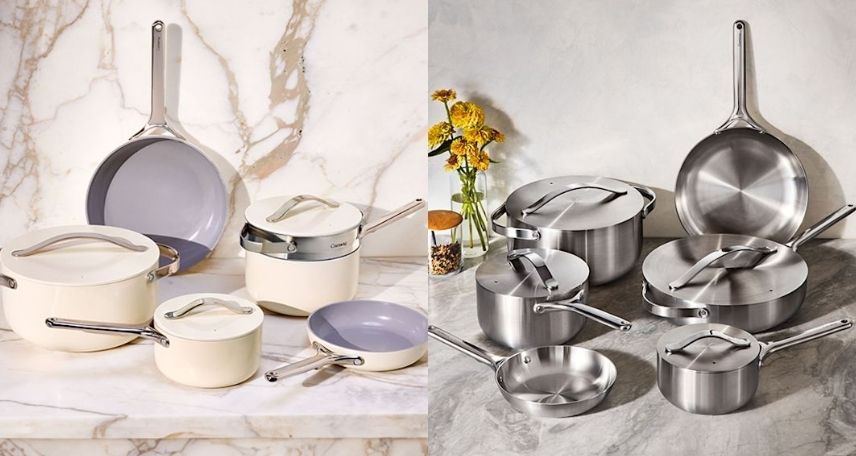
Choosing the right cookware can change the way you cook and enjoy your meals. You’ve probably wondered whether ceramic cookware or stainless steel cookware is better for your kitchen.
Each has its own benefits, but which one fits your cooking style and health needs? This article will help you understand the key differences so you can make the best choice. Keep reading to discover which cookware will make your cooking easier, healthier, and more enjoyable.
Material Basics
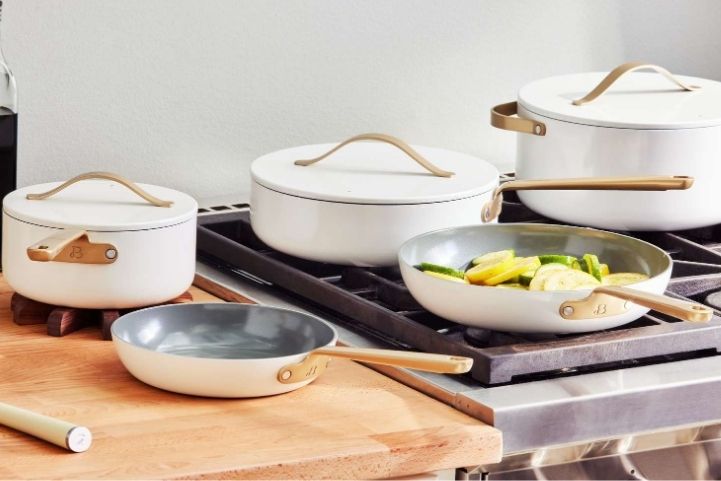
Choosing cookware depends a lot on the material used. Each type offers unique benefits and limits. Knowing the basics helps make a smart choice. Here is a simple look at ceramic and stainless steel cookware materials.
Properties Of Ceramic Cookware
Ceramic cookware has a smooth, non-metallic surface. It often has a glossy finish that looks attractive. This material is naturally non-stick, so it needs less oil for cooking. Ceramic heats evenly, reducing hot spots. It stays cool on the handle, which improves safety. This cookware is lightweight and easy to handle. It does not react with acidic or alkaline foods. Ceramic can crack or chip if dropped or hit hard. It is best used on low to medium heat.
Properties Of Stainless Steel Cookware
Stainless steel cookware is made from a metal alloy. It usually contains iron, chromium, and nickel. This material is strong and very durable. Stainless steel resists rust, stains, and corrosion. It can handle high heat without damage. This cookware often has a shiny, polished surface. It works well for browning and searing food. Stainless steel cookware is heavier than ceramic. It may cause food to stick without proper oil or preheating. It is dishwasher safe and easy to clean.
Heat Performance
Heat performance is a key factor in choosing cookware. It affects how food cooks and tastes. Both ceramic and stainless steel have different ways of handling heat. Understanding their heat performance helps you pick the best option for your kitchen.
Heat Distribution And Retention
Ceramic cookware heats evenly across the surface. This means fewer hot spots and better cooking results. It holds heat well, keeping food warm longer after cooking. Stainless steel heats quickly but unevenly at times. It may need more attention to avoid burning food. Stainless steel does not retain heat as long as ceramic.
Cooking Temperature Control
Ceramic cookware allows gentle heat changes. This control helps with slow cooking and delicate dishes. Stainless steel responds fast to temperature changes. It works best for quick cooking and searing. Both types require different handling to manage heat well.
Durability And Maintenance
Durability and maintenance are important factors when choosing cookware. These qualities affect how long your pots and pans last. They also influence how easy the cookware is to keep clean and in good shape. Understanding these aspects helps you pick the best option for your kitchen needs.
Scratch And Chip Resistance
Ceramic cookware has a smooth, non-stick surface. This surface can chip or crack if dropped or hit hard. It is not very resistant to sharp tools. Stainless steel is much stronger and more durable. It resists scratches and dents better than ceramic. It can handle metal utensils without damage. Stainless steel holds up well over time, even with frequent use.
Cleaning And Care Tips
Ceramic cookware requires gentle cleaning to keep its coating safe. Use soft sponges and mild soaps. Avoid abrasive cleaners or steel wool. Hand washing is best to prevent damage. Stainless steel is easier to clean and can often go in the dishwasher. It can handle scrubbing with rough pads to remove stuck-on food. Regular polishing keeps stainless steel shiny and fresh-looking.
Health And Safety
Health and safety are key points when choosing cookware. Your food touches the surface, so it must be safe. This affects your meals and your body. Both ceramic and stainless steel cookware have different health features. Understanding these helps pick the best for your kitchen.
Non-toxic Qualities
Ceramic cookware is often praised for being non-toxic. It usually contains no harmful chemicals like PFOA or PTFE. These chemicals can release toxins when heated. Ceramic coatings are made from natural materials, which is safer for cooking.
Stainless steel is also safe for health. It does not have coatings that can peel or release chemicals. Good quality stainless steel is free from lead and cadmium. It resists rust and corrosion, keeping food pure and safe.
Reactivity With Food
Ceramic cookware is non-reactive. It does not change the taste or color of food. Acidic foods like tomatoes or citrus will not react with ceramic. This keeps your meal fresh and natural.
Stainless steel can react with very acidic or salty food. This may cause a slight metallic taste. But high-quality stainless steel reduces this risk. It is durable and works well for most types of cooking.
Cooking Versatility
Cooking versatility matters a lot in choosing cookware. It affects what dishes you can make and how easy cooking becomes. Both ceramic and stainless steel cookware offer different benefits. Understanding their strengths helps pick the right set for your kitchen.
Suitability For Different Cooking Methods
Ceramic cookware shines in gentle cooking. It works well for simmering, sautéing, and baking. Its nonstick surface needs less oil, making it perfect for healthy meals. It heats evenly but may not handle very high heat well.
Stainless steel cookware suits high-heat cooking. It excels at searing, browning, and frying. It can take direct heat without damage. Stainless steel is great for recipes needing strong heat control. It also works well for deglazing and making sauces.
Compatibility With Cooktops And Ovens
Ceramic cookware fits most cooktops but not all induction stoves. Check if the ceramic base is induction compatible before buying. It also works safely in ovens but avoid very high temperatures. Sudden temperature changes can crack ceramic.
Stainless steel cookware works on all cooktops, including induction. It handles oven use at high temperatures without problems. This durability makes stainless steel a versatile choice for many cooking styles.
Cost And Value
Choosing between ceramic and stainless steel cookware often depends on cost and value. Both types offer benefits but differ in price and longevity. Understanding these factors helps buyers make smart choices for their kitchens.
Price Range Comparison
Ceramic cookware usually costs less than stainless steel sets. Basic ceramic pots and pans are affordable for most budgets. High-end ceramic pieces can be pricier but still often cost less than stainless steel.
Stainless steel cookware tends to start at a higher price point. Quality stainless steel sets can be expensive but offer durability. Entry-level stainless steel options are available but may lack some features.
Long-term Investment
Stainless steel cookware lasts longer with proper care. It resists scratches, dents, and warping. This durability means fewer replacements and better value over time.
Ceramic cookware can wear out faster. The coating may chip or fade after heavy use. Replacement may be needed sooner, increasing long-term costs.
Consider how often you cook and your budget. Durable stainless steel often offers better value for frequent use. Ceramic suits casual cooks wanting lower upfront costs.
Aesthetic Appeal
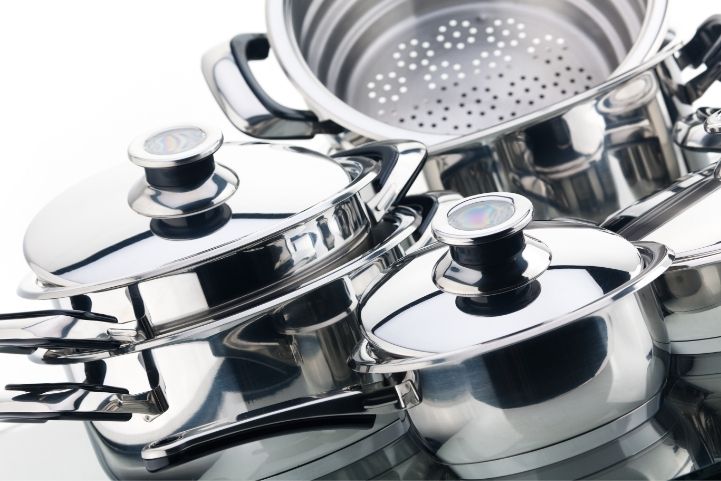
Aesthetic appeal plays a big role in choosing cookware. It affects how your kitchen looks and feels. Both ceramic and stainless steel offer unique styles. Each has its charm and can fit different kitchen themes.
Choosing cookware with the right look can make cooking more enjoyable. It can also impress guests and add personality to your space.
Design Options
Ceramic cookware comes in many colors and patterns. Bright reds, blues, and greens add a pop of color. Some pieces have smooth, shiny finishes. Others feature matte or textured surfaces. These options suit casual and modern kitchens alike.
Stainless steel has a classic, sleek look. It shines with a polished or brushed finish. Its silver tone matches most kitchen appliances. The design feels professional and timeless. Stainless steel pots and pans often have simple, clean lines.
How Appearance Affects Kitchen Style
Ceramic cookware adds warmth and fun to a kitchen. It fits well in cozy, rustic, or eclectic spaces. Colorful ceramic pieces can brighten a neutral kitchen. They create a welcoming atmosphere.
Stainless steel cookware suits modern and minimalist kitchens. It offers a clean, industrial feel. This cookware blends well with stainless appliances and hardware. It gives a kitchen a polished and organized look.
Environmental Impact
Choosing cookware affects the planet. Both ceramic and stainless steel options have different environmental footprints. Understanding these differences helps you pick a greener option for your kitchen.
Manufacturing Footprint
Ceramic cookware requires clay and minerals. These materials come from natural sources and need energy to process. The firing process uses high heat, which consumes a lot of energy. This can lead to more carbon emissions.
Stainless steel cookware is made from iron, chromium, and nickel. Mining these metals impacts the environment. The production process uses a lot of energy and water. Still, stainless steel factories often recycle scrap metal, reducing waste.
Recyclability And Disposal
Ceramic cookware is not easy to recycle. Broken ceramic pieces often end up in landfills. They do not decompose quickly and can take many years to break down.
Stainless steel is highly recyclable. Old pots and pans can be melted down and reused. This reduces the need for new raw materials. Stainless steel waste has less impact on landfills.
Frequently Asked Questions
What Are The Main Differences Between Ceramic And Stainless Steel Cookware?
Ceramic cookware is non-stick, lightweight, and heats evenly but is less durable. Stainless steel is highly durable, non-reactive, and great for searing but requires oil to prevent sticking.
Is Ceramic Cookware Safer Than Stainless Steel?
Ceramic cookware is generally considered safer as it is free from harmful chemicals like PTFE and PFOA. Stainless steel is safe but may leach trace metals if damaged or overheated.
Which Cookware Type Heats More Evenly?
Ceramic cookware heats more evenly due to its non-metallic surface. Stainless steel cookware can have hot spots unless it has an aluminum or copper core for even heat distribution.
Can Stainless Steel Cookware Replace Ceramic Cookware?
Yes, stainless steel cookware can replace ceramic for durability and high-heat cooking. However, it lacks the natural non-stick surface of ceramic and needs more oil for cooking.
Conclusion
Choosing between ceramic and stainless steel cookware depends on your needs. Ceramic heats evenly and is easy to clean. Stainless steel is strong and lasts a long time. Both types suit different cooking styles. Think about what you cook most often.
Consider your budget and care habits too. Both options can work well in your kitchen. Pick the one that fits your daily routine best. Cooking becomes easier with the right tools. Your choice will help you enjoy meals more. Simple and smart decisions make cooking fun.