
Last Updated on September 9, 2026
Choosing the perfect suit can feel overwhelming. You want to look sharp, confident, and comfortable, but where do you start?
Whether it’s for an important meeting, a wedding, or just upgrading your wardrobe, the right suit can change how people see you—and how you see yourself. You’ll discover simple, clear steps to find a suit that fits your style, body, and budget.
Ready to turn heads and feel your best? Keep reading, because your perfect suit is waiting.
Suit Fabric Choices

Choosing the right fabric for your suit matters a lot. Fabric affects comfort, look, and durability. Some fabrics suit warm weather, others keep you warm in cold months. Knowing different fabrics helps you pick the best one.
Wool Varieties
Wool is the most common suit fabric. It feels soft and looks sharp. Different types of wool fit different needs. Merino wool is smooth and works for all seasons. Flannel wool is thicker and warmer, great for winter. Worsted wool has a shiny finish and resists wrinkles well.
Cotton And Linen Options
Cotton suits feel light and cool. They work best in warm weather. Linen is even lighter and very breathable. Linen suits can wrinkle easily but offer a relaxed style. Both cotton and linen suits are good for casual or summer events.
Blends And Synthetics
Blended fabrics mix natural and synthetic fibers. This mix improves strength and reduces wrinkles. Polyester blends cost less and dry quickly. Blends can feel less breathable but last longer. Some blends offer a balance between comfort and durability.
Picking The Right Fit
Choosing the right fit is key to a great suit. It can make you look sharp and feel confident. A suit that fits well shows your style and respects your body shape. The right fit means comfort and a clean, polished look. Here are some simple tips to help you pick the perfect fit for your suit.
Slim Vs Classic Fit
Slim fit suits hug your body closer. They show your shape and offer a modern look. These suits suit slimmer and athletic body types best. Classic fit suits are looser and more relaxed. They provide comfort and a traditional style. Classic fits work well for most body types and offer more room to move.
Shoulder And Chest Fit
The shoulders set the tone for your suit’s fit. The suit’s shoulder seam should sit right on your natural shoulder edge. Too tight and it feels uncomfortable. Too loose and it looks sloppy. The chest should fit comfortably without pulling. You should be able to button the jacket without strain or gaps.
Sleeve And Trouser Length
Sleeves should end just above your wrist bone. This lets a small part of your shirt cuff show. Trouser length varies by style, but generally, pants should touch the top of your shoes. Avoid too long or too short trousers. Proper length keeps your look sharp and balanced.
Suit Styles To Consider
Choosing the right suit style is key to looking sharp and feeling confident. Different styles suit different occasions and body types. Knowing these styles helps you pick the best one for yourself.
Suit styles affect your overall look. The fit, lapels, and buttons all play a big role. Let’s explore these important features to guide your choice.
Single-breasted Vs Double-breasted
Single-breasted suits have one row of buttons. They are simple and versatile. Most men prefer this style for its classic look.
Double-breasted suits have two rows of buttons. They create a bold, formal appearance. This style suits taller and slimmer men best.
Single-breasted suits work well for everyday wear. Double-breasted suits fit formal events better.
Lapels: Notch, Peak, And Shawl
Notch lapels are the most common. They have a small cut where the lapel meets the collar. This style is great for business or casual suits.
Peak lapels point upward and look sharp. They add power and style to your suit. Peak lapels work well for formal and fashion-forward looks.
Shawl lapels are smooth and rounded. They often appear on tuxedos or dinner suits. This lapel style feels elegant and unique.
Button Configurations
Suit jackets come with different button setups. Common styles include one-button, two-button, and three-button suits.
One-button suits are sleek and modern. They fit best for slim builds and formal occasions.
Two-button suits are the most popular. They suit most body types and occasions well.
Three-button suits offer a traditional look. They work for taller men and formal settings.
Button placement affects your suit’s style and fit. Choose what balances your shape and event type.
Choosing Colors And Patterns
Choosing the right colors and patterns for your suit affects your overall look. Colors set the mood and can show your style. Patterns add character and depth to your outfit. Picking the perfect combination helps you feel confident and sharp.
Classic Neutrals
Neutral colors like black, navy, and gray never go out of style. They work well for most occasions. These colors match easily with shirts and ties. A suit in classic neutrals looks professional and clean. It creates a timeless and versatile wardrobe base.
Bold Colors And Seasonal Trends
Bright colors like burgundy, green, or royal blue make a statement. These suits show personality and confidence. Seasonal trends also bring new colors to try. Spring and summer suits often include lighter shades. Fall and winter favor darker, richer tones.
Stripes, Checks, And Textures
Patterns give your suit a unique touch. Stripes add height and a sharp look. Checks bring a casual but stylish feel. Textures like tweed or herringbone add depth. Mixing patterns and textures can create interest but keep balance.
Tailoring And Alterations
A well-fitted suit changes everything. Tailoring and alterations make a good suit look great. They adjust the suit to fit your body perfectly. Even a ready-made suit can look custom with the right tweaks. Understanding this process helps you choose the right fit.
Finding A Skilled Tailor
Choose a tailor with good reviews and experience. A skilled tailor knows how to fix common issues. They listen to your needs and offer advice. Visit the tailor and discuss your suit’s fit. Trust their judgment on what needs changing.
Common Adjustments
Most suits need small changes for a perfect fit. Common fixes include shortening sleeves and pant legs. Taking in the waist or adjusting the shoulders improves shape. A tailor can slim down the jacket or loosen it. These changes make the suit comfortable and sharp.
Custom Vs Off-the-rack
Custom suits are made for your body shape. They fit better but cost more and take time. Off-the-rack suits are cheaper and ready to wear. Tailoring off-the-rack suits can improve the fit greatly. Choose based on your budget and time available.
Accessorizing Your Suit
Accessorizing your suit completes the look and shows your personal style. Small details bring out the best in your outfit. Choose accessories that match the occasion and your suit’s color. Keep it simple and balanced to avoid looking overdone.
Ties And Pocket Squares
Ties add color and pattern to your suit. Pick a tie that contrasts with your shirt but complements the suit. Solid colors work well for formal events. Patterns like stripes or dots add personality for casual settings. Pocket squares give a sharp, polished touch. Match the pocket square’s color to your tie, but avoid exact matches. Fold it neatly to keep the look clean.
Shoes And Belts
Shoes and belts must coordinate in color and style. Black shoes pair best with black or dark suits. Brown shoes fit well with navy, grey, or lighter suits. Match your belt to your shoes for a unified look. Choose leather belts for formal wear. Avoid casual belts like canvas or fabric with suits.
Watches And Cufflinks
A watch adds sophistication and practicality. Choose a classic style with a leather or metal band. Avoid sporty or bulky designs for formal occasions. Cufflinks add a subtle but elegant detail. Pick simple designs in silver or gold for versatility. Match cufflinks to your watch or other metal accessories. They show attention to detail without overpowering the suit.
Suit Care And Maintenance
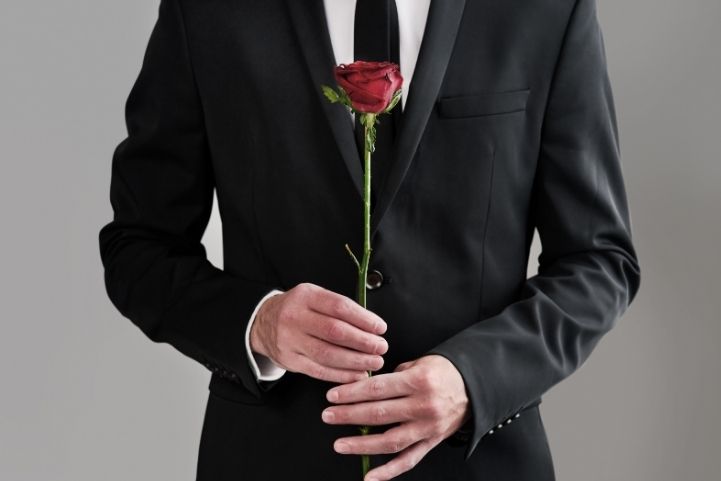
Taking care of your suit keeps it looking sharp and lasting longer. Proper maintenance protects your investment. It helps maintain the fabric’s quality and shape. Follow simple steps for cleaning, storing, and fixing your suit.
Proper Cleaning Techniques
Dry clean your suit only when necessary. Too much cleaning can damage the fabric. Spot clean small stains with a damp cloth. Use a soft brush to remove dust and dirt. Let your suit air out between wears to keep it fresh.
Storage Tips
Use a wide, padded hanger to keep the suit’s shape. Store your suit in a breathable garment bag. Avoid plastic covers that trap moisture. Keep suits in a cool, dry place away from sunlight. Give your suit space to prevent wrinkles and creases.
Handling Wrinkles And Repairs
Use a steamer to remove wrinkles gently. Avoid ironing directly on the fabric to prevent damage. Mend small tears and loose buttons quickly. Regularly check for signs of wear. Proper care helps your suit look new for years.
Frequently Asked Questions
How Do I Find The Right Suit Size?
To find the right suit size, measure your chest, waist, and hips accurately. Try different sizes for the best fit. Ensure the jacket shoulders align perfectly and pants fit comfortably without being tight or loose.
What Fabric Is Best For A Versatile Suit?
Wool is the best fabric for a versatile suit. It’s durable, breathable, and suitable for most seasons. Wool suits also drape well and maintain their shape, making them ideal for various occasions, from business to formal events.
How Should A Suit Jacket Fit?
A suit jacket should fit snugly at the shoulders without pulling. Sleeves must end near your wrist bone, showing a bit of shirt cuff. The jacket should contour your torso without being too tight or baggy.
What Color Suit Is Most Versatile?
Navy blue is the most versatile suit color. It works well for business, weddings, and casual events. Navy suits pair easily with various shirt and tie colors, making them a practical choice for your wardrobe.
Conclusion
Choosing the perfect suit takes time and care. Focus on fit, fabric, and color that suit you best. Remember, comfort matters as much as style. Try different options before making a final choice. A well-chosen suit boosts your confidence and looks sharp.
Keep it simple and true to your style. Dressing well can open doors and make good impressions. Take these steps to find a suit that feels right. Your effort will show every time you wear it.