Last Updated on September 9, 2026
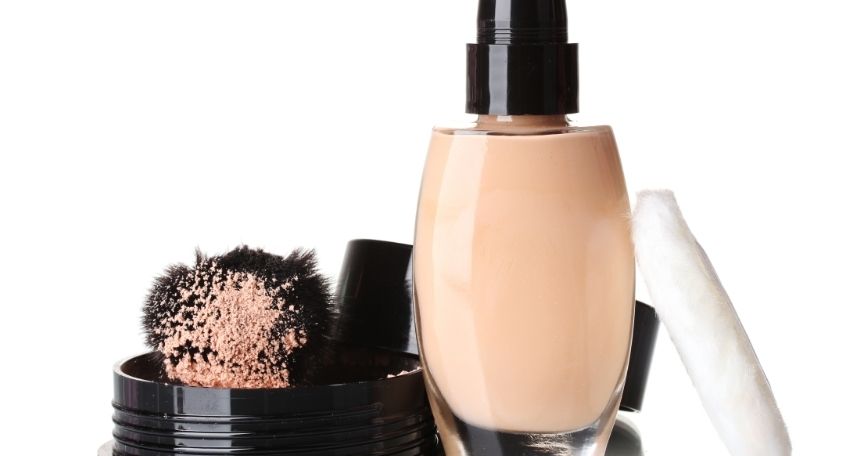
Choosing the right foundation can completely change your makeup game. You might be wondering whether powder foundation or liquid foundation is better for your skin.
Each has its own benefits and challenges, and knowing which one suits you can save you time and frustration. You’ll discover the key differences that matter most, so you can pick the perfect match for your look and lifestyle. Ready to find out which foundation will give you that flawless finish you want?
Keep reading!
Powder Foundation Basics
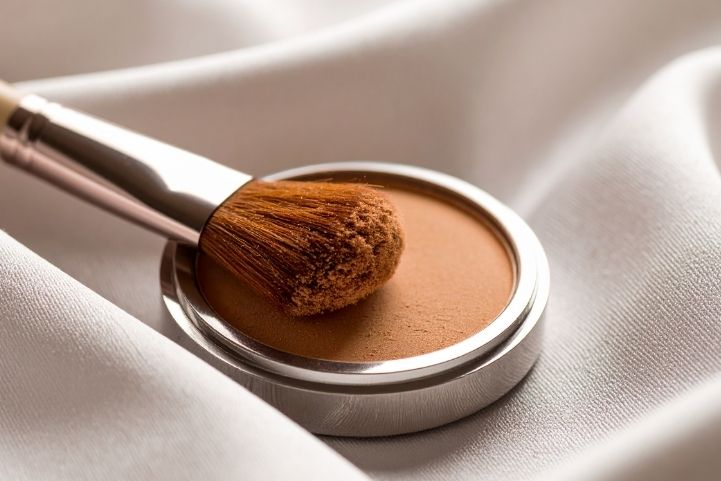
Powder foundation is a popular choice for many people. It offers a lightweight feel and easy application. This type of foundation comes in a solid, powder form. It can give your skin a smooth, matte finish.
Powder foundation works well for quick touch-ups. It provides a natural look without heavy coverage. Understanding its basics helps you decide if it suits your needs.
Types Of Powder Foundations
There are two main types of powder foundations: pressed and loose. Pressed powder comes in a compact form. It is easy to carry and apply on the go. Loose powder is finer and offers lighter coverage. It works best for setting liquid foundation.
Benefits Of Powder Foundation
Powder foundation controls shine and reduces oil on the skin. It is quick to apply and blends easily. This foundation type feels light and breathable. It helps to even out skin tone gently. Powder foundation also lasts well on oily skin.
Ideal Skin Types For Powder
Powder foundation suits oily and combination skin types best. It helps absorb excess oil and reduce shine. People with dry skin may find it highlights dryness. Normal skin can use powder for a natural look. Sensitive skin benefits from its gentle, non-greasy formula.
Liquid Foundation Essentials
Liquid foundation is a popular choice in makeup. It offers smooth coverage and a natural finish. Many people prefer it for daily use. It blends easily into the skin and suits many looks. Understanding its basics helps you choose the right one.
This section covers the main types, benefits, and skin types that work well with liquid foundation.
Varieties Of Liquid Foundations
Liquid foundations come in many forms. There are dewy, matte, satin, and sheer finishes. Some have a thick texture, while others are lightweight. You can find foundations with added skincare ingredients. Tinted moisturizers and full-coverage liquids are common options.
Advantages Of Liquid Foundation
Liquid foundation blends smoothly and covers uneven skin well. It can hide blemishes and redness effectively. Most formulas provide hydration, which helps dry skin. It lasts longer and adapts to different skin tones. Applying it with a sponge or brush is easy and quick.
Best Skin Types For Liquid
Liquid foundation suits dry and normal skin best. It adds moisture and avoids a cakey look. People with combination skin can use it too, choosing formulas for their needs. Some liquids work well for oily skin with matte finishes. Testing different types helps find the best match.
Application Techniques
Applying foundation properly helps create a smooth and even skin tone. Different types of foundation need different ways to apply. Powder foundation and liquid foundation each have unique techniques. These techniques affect how natural and long-lasting your makeup looks.
Applying Powder Foundation Perfectly
Start with clean, dry skin. Use a soft brush or sponge to pick up the powder. Tap off any extra product before applying. Apply the powder in small, circular motions. Focus on areas that need coverage, like around the nose and cheeks. Build the coverage slowly to avoid a cakey look. Blend well into your jawline and hairline for a seamless finish.
Powder foundation works well for oily skin. It helps absorb extra shine throughout the day. Use a setting spray for better hold if needed.
Tips For Liquid Foundation Application
Choose a liquid foundation that matches your skin tone. Use clean fingers, a brush, or a makeup sponge to apply. Start with small dots on your forehead, cheeks, nose, and chin. Blend gently from the center of your face outward. Pat or bounce the sponge for even coverage. Avoid rubbing harshly to keep the foundation smooth.
Build the coverage by adding thin layers. Focus on blending well along the edges. Liquid foundation suits dry or normal skin types best. Finish with a light dusting of powder if you want to reduce shine.
Coverage And Finish
Choosing between powder foundation and liquid foundation depends a lot on coverage and finish. These two factors change how your skin looks and feels after applying makeup. Coverage means how much the foundation hides skin flaws. Finish means the final look of your skin—whether it looks shiny, matte, or natural.
Understanding coverage and finish helps you pick the right foundation for your needs. Both powder and liquid foundations have different strengths. Some work better for oily skin, while others suit dry skin. Let’s explore how they compare.
Comparing Coverage Levels
Powder foundations usually give light to medium coverage. They work well for quick touch-ups and natural looks. They may not hide heavy blemishes or scars well.
Liquid foundations offer a wider range of coverage. You can find options from sheer to full coverage. They blend smoothly and cover imperfections better. This makes liquids a good choice for uneven skin tones or redness.
Matte Vs Dewy Finish
Powder foundations tend to give a matte finish. They absorb oil and reduce shine. This finish works great for oily or combination skin types.
Liquid foundations come in many finishes, including matte, dewy, and satin. Dewy finishes give a fresh, glowing look. They suit dry or dull skin well. You can also find liquid formulas that help control oil and shine.
Longevity And Wear
Longevity and wear are key factors when choosing between powder and liquid foundation. You want your makeup to last through the day without needing many touch-ups. Both types offer different benefits in how long they stay on and how they wear on your skin.
Staying Power Of Powder
Powder foundation tends to stay well on oily and combination skin. It absorbs excess oil, which helps prevent shine. This keeps your face looking fresh for hours. Powder foundations usually need less touch-up during the day. They work best in warm weather because they feel light on the skin. However, powder can fade faster on dry skin or after sweating.
Durability Of Liquid
Liquid foundation generally offers longer wear on most skin types. It creates a smooth, even layer that sticks well to the skin. Liquids often have moisturizing ingredients, which help prevent cracking or flaking. Many liquid foundations come with formulas that resist sweat and humidity. They last through busy days and special events. Liquid foundation may need fewer touch-ups than powder, especially on dry or normal skin.
Skin Concerns And Foundation Choice
Choosing the right foundation depends on your skin type and concerns. Different foundations work better for oily, dry, or sensitive skin. Knowing how powder and liquid foundations affect your skin helps you pick the best option.
Addressing Oily Skin
Oily skin needs a foundation that controls shine and stays matte. Powder foundations absorb excess oil and reduce shine. They feel light and help prevent clogged pores. Liquid foundations can work but choose oil-free, matte formulas. Avoid heavy, creamy liquids that add extra oil.
Catering To Dry Skin
Dry skin needs moisture and smooth coverage. Liquid foundations provide hydration and a natural glow. They blend well and don’t make skin look flaky. Powder foundations may highlight dry patches and make skin feel tight. Look for liquids with moisturizing ingredients for soft, healthy skin.
Sensitive Skin Considerations
Sensitive skin requires gentle products that do not irritate. Both powder and liquid foundations can work if they are fragrance-free and hypoallergenic. Choose foundations with soothing ingredients to calm redness and avoid breakouts. Test the product on a small skin area before full use.
Seasonal Foundation Tips
Choosing the right foundation changes with the seasons. Your skin’s needs shift as weather changes. Picking the right foundation helps your skin look fresh. It also keeps your makeup lasting longer. Here are tips to choose between powder and liquid foundation for different seasons.
Summer Foundation Choices
Summer heat and sweat can affect your makeup. Powder foundation works well in hot weather. It absorbs oil and keeps skin matte. It feels light and lets your skin breathe. Use a powder foundation with SPF to protect from sun.
Liquid foundation can feel heavy in summer. If you use liquid, pick a lightweight, oil-free formula. Look for one that controls shine and lasts all day. Avoid thick, creamy liquids that can clog pores.
Winter Foundation Strategies
Cold air and indoor heating dry out your skin. Liquid foundation suits dry skin better in winter. It adds moisture and gives a dewy finish. Choose hydrating formulas that keep skin soft and smooth.
Powder foundation can make dry skin look flaky. Use it lightly or mix with a moisturizer. This prevents makeup from looking cakey. In winter, layering moisturizer before foundation helps skin stay healthy.

Tools And Accessories
Choosing the right tools makes a big difference in applying foundation. Each type of foundation needs specific accessories. These tools help to spread the product evenly and create a smooth finish. Using the right brush or sponge can improve your makeup look.
Let’s explore the best tools for powder and liquid foundations. Understanding these helps you get the best results from your makeup.
Brushes For Powder Foundation
Powder foundation works best with soft, fluffy brushes. A large powder brush covers the face quickly and evenly. It picks up the right amount of product without making it cakey. Kabuki brushes are popular for powder. They offer good control and a smooth finish. Use gentle circular motions to blend the powder into your skin. This technique avoids streaks and patches. Clean your brushes often to keep the application fresh.
Sponges And Brushes For Liquid
Liquid foundation needs tools that blend well into the skin. Beauty sponges are a favorite choice. They help to press the foundation into the skin for a natural look. Use a damp sponge for best results. It prevents the foundation from looking heavy. Flat or rounded foundation brushes also work well. These brushes help to spread liquid evenly. Use light, sweeping strokes to blend the product. Clean your sponges and brushes regularly to avoid buildup and breakouts.
Common Mistakes To Avoid
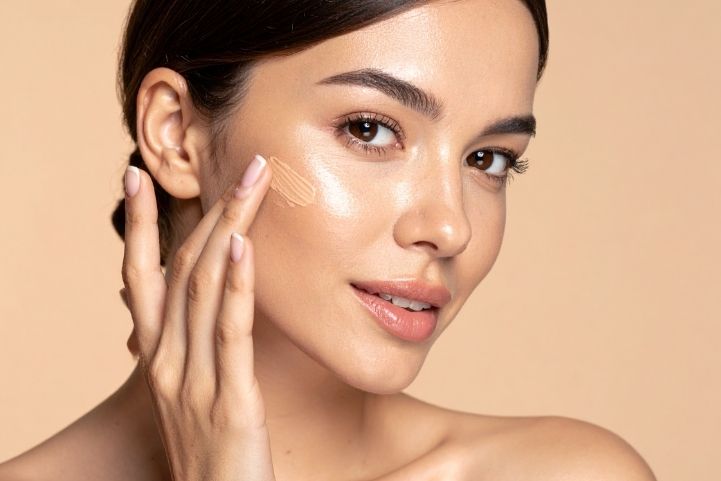
Using powder or liquid foundation can be tricky at times. Many people make simple mistakes that affect how their makeup looks. Avoiding these common errors helps your foundation appear smooth and natural. Here are some mistakes to watch out for.
Overapplication Issues
Applying too much foundation is a frequent error. Thick layers can look cakey and unnatural. Powder foundation can settle into fine lines if overused. Liquid foundation may create a heavy, mask-like effect. Start with a small amount and build coverage slowly. Blend well to avoid harsh edges.
Choosing The Wrong Shade
Picking the wrong foundation color can ruin your look. Shades too light or dark stand out on your skin. Test the color on your jawline, not your hand. Check it in natural light for a true match. Both powder and liquid formulas need the right shade for a flawless finish.
Ignoring Skin Prep
Skipping skin preparation harms foundation application. Clean, moisturized skin helps foundation glide smoothly. Use a primer for better hold and texture. Powder foundation works best on dry skin. Liquid foundation blends easier on hydrated skin. Taking time to prep your skin improves the final look.
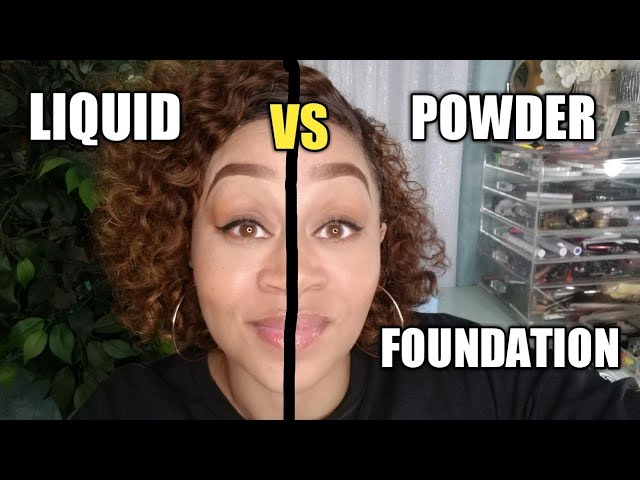
Expert Tips For Flawless Skin
Achieving flawless skin starts with the right application of foundation. Both powder and liquid foundations have unique qualities. Using the right techniques helps your makeup look natural and last longer. These expert tips improve your skin’s appearance and keep your look fresh throughout the day.
Blending Techniques
Blending foundation well is key. For liquid foundation, use a damp makeup sponge or brush. Dab the product gently and blend outward for smooth coverage. Avoid rubbing hard to prevent streaks.
Powder foundation needs a fluffy brush. Use circular motions to spread the powder evenly. Light layers build coverage without looking cakey. Focus on areas needing more coverage, blending softly.
Setting And Touch-ups
Set liquid foundation with a light dusting of powder. This controls shine and keeps makeup in place. Use a translucent powder for a natural finish.
For powder foundation, touch-ups are easy. Use a small brush or puff to reapply powder on oily or shiny spots. Carry compact powder for quick fixes during the day.

Frequently Asked Questions
What Are The Main Differences Between Powder And Liquid Foundation?
Powder foundation offers a matte finish and is great for oily skin. Liquid foundation provides more coverage and suits dry or combination skin. The texture, application, and finish vary, making each ideal for different skin types and preferences.
Which Foundation Type Lasts Longer On The Skin?
Liquid foundation generally lasts longer due to its creamy texture and better adhesion. Powder foundation may need touch-ups throughout the day, especially on oily skin. Using a primer can extend the wear time of both types effectively.
Is Powder Foundation Better For Oily Skin?
Yes, powder foundation is excellent for oily skin. It absorbs excess oil and reduces shine. It also feels lightweight and helps prevent clogged pores, making it a preferred choice for those with oily or acne-prone skin.
Can Liquid Foundation Work For Sensitive Skin?
Liquid foundation can be suitable for sensitive skin if it’s fragrance-free and hypoallergenic. It often contains moisturizing ingredients that soothe irritation. Always patch test new products to avoid allergic reactions or breakouts.
Conclusion
Choosing between powder and liquid foundation depends on your skin type and needs. Powder foundation suits oily skin and offers a matte finish. Liquid foundation works well for dry skin and gives a natural glow. Think about the coverage you want—light or full.
Also, consider how long you need it to last. Both types can enhance your look when used right. Try each to see which feels best on your skin. Your perfect foundation is out there, ready to help you shine.