Last Updated on September 15, 2026
Choosing the right vacuum cleaner can feel overwhelming with so many options out there. But what if finding the perfect one was simpler than you think?
You want a vacuum that fits your home, your lifestyle, and your budget — without wasting time or money. This guide will help you cut through the noise and make a smart choice that leaves your floors spotless and your cleaning routine easier.
Keep reading, because the right vacuum is waiting for you.
Types Of Vacuum Cleaners
Vacuum cleaners come in many types, each designed for different cleaning needs. Choosing the right one depends on your home size, floor type, and personal preference. Understanding the main types helps you pick a vacuum that works best for you.
Upright Vacuums
Upright vacuums are tall and easy to push across floors. They work well on carpets and large areas. Most come with strong suction and wide cleaning paths. Some models have adjustable settings for different floor types.
Canister Vacuums
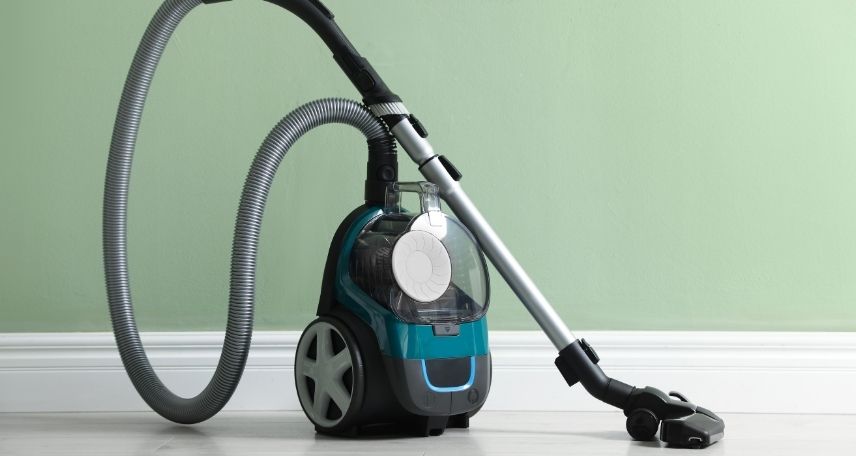
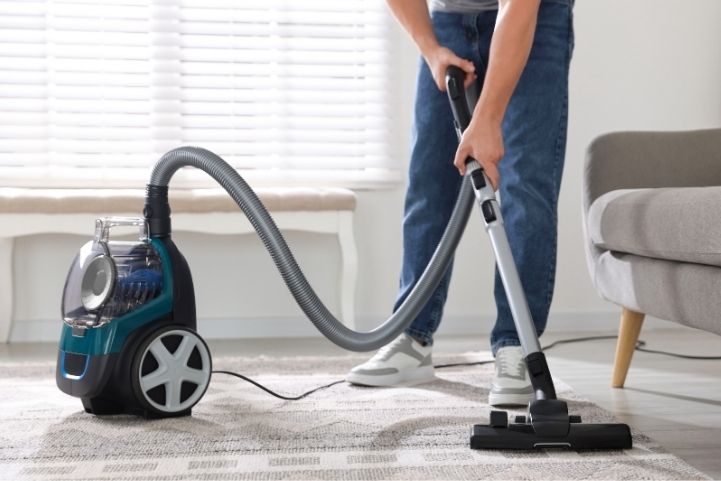
Canister vacuums have a separate canister and hose. They are lightweight and easy to carry. These vacuums work well on hard floors and stairs. Their flexible hose reaches tight corners and under furniture.
Stick Vacuums
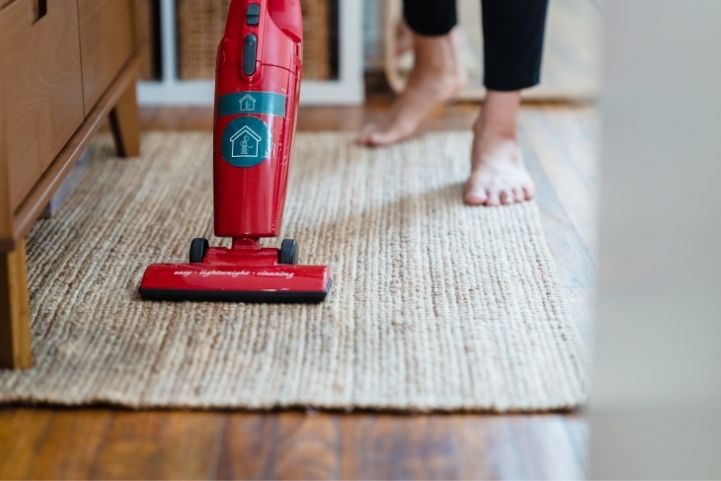
Stick vacuums are slim and lightweight. They are perfect for quick clean-ups and small spaces. Many are cordless, offering easy maneuverability. Battery life may vary, so check before buying.
Robot Vacuums
Robot vacuums clean automatically without much effort. They move around furniture and avoid obstacles. Ideal for daily maintenance, not deep cleaning. Many models can be programmed for specific schedules.
Handheld Vacuums
Handheld vacuums are small and portable. Great for cleaning cars, upholstery, and tight spots. They offer quick and easy spot cleaning. Most are cordless and easy to store.
Key Features To Consider
Choosing the right vacuum cleaner means knowing which features matter most. These features affect cleaning power, ease of use, and how well the vacuum fits your home. Focus on these key points to find a vacuum that works best for you.
Suction Power
Suction power is the heart of any vacuum cleaner. Strong suction pulls dirt and dust from carpets and floors. Look for models with adjustable suction for different surfaces. High suction works well on thick carpets. Lower suction helps with delicate rugs and hard floors.
Filtration Systems
Filtration keeps dust and allergens trapped inside the vacuum. HEPA filters are great for homes with allergy sufferers. They catch tiny particles that ordinary filters miss. Check the filter type before buying. Some filters need regular cleaning or replacement to stay effective.
Corded Vs Cordless
Corded vacuums offer constant power without recharging. They work well for large spaces and long cleaning sessions. Cordless vacuums provide freedom to move without wires. Battery life varies, so consider how long you need to clean. Choose based on your home size and cleaning style.
Weight And Maneuverability
Lightweight vacuums are easier to carry and move around. They reduce strain on your arms and back. Maneuverability helps reach tight spaces and corners. Swivel heads and ergonomic handles improve control. Think about your strength and cleaning areas when choosing weight.
Noise Levels
Vacuum noise can be annoying or disruptive. Quiet models make cleaning less stressful. Noise levels are measured in decibels (dB). Lower dB means quieter vacuum. Consider noise if you have pets or small children at home.
Surface And Floor Compatibility
Choosing the right vacuum cleaner depends a lot on the floors and surfaces you have at home. Different floor types need different cleaning tools. Some vacuums work better on carpets, while others are best for hard floors. Knowing your floor types helps you pick a vacuum that cleans well and lasts longer.
Carpet Cleaning
Carpets need strong suction to remove dirt deep inside. A vacuum with a rotating brush or beater bar works best. These tools lift dirt and dust from carpet fibers. Adjustable height settings help clean thick or thin carpets without damage. Choose a vacuum designed for carpets to keep them looking fresh.
Hardwood And Tile Floors
Hardwood and tile floors need gentle care. A vacuum with soft bristles or a bare-floor setting is best. It cleans without scratching or damaging the surface. Some vacuums have a switch to turn off the brush roll for hard floors. This helps protect your floors while still picking up dust and debris.
Pet Hair Removal
Pet hair sticks to carpets and furniture. Look for a vacuum with strong suction and special pet tools. These tools grab hair from carpets, rugs, and upholstery. A vacuum with a tangle-free brush roll reduces hair clogs. This makes cleaning easier and faster in homes with pets.
Allergen Control
Allergens like dust and pollen can cause health problems. A vacuum with a HEPA filter traps tiny particles and prevents them from escaping. This helps keep the air in your home clean. Regular vacuuming with good filtration reduces allergens on floors and surfaces.
Maintenance And Durability
Choosing the right vacuum cleaner means thinking about maintenance and durability. A machine that lasts long saves money and effort. Regular care keeps it working well and prevents costly repairs. Understanding parts and their upkeep helps you pick a cleaner that fits your lifestyle.
Bagged Vs Bagless Models
Bagged vacuums collect dirt in replaceable bags. You toss the bag when full. This keeps dust inside and helps with allergies. Bags cost money and must be bought often.
Bagless models use a container to hold dirt. You empty it into the trash. No extra cost for bags. Some dust may escape when emptying. Cleaning the container is needed often.
Filter Replacement And Cleaning
Filters catch tiny dust and allergens. They keep the air clean during vacuuming. Some filters are washable. Others need to be changed regularly. Dirty filters reduce suction power and harm the motor. Check the filter type before buying.
Brush And Roller Care
Brushes and rollers pick up dirt from floors. Hair and threads can get tangled around them. Remove debris regularly to keep them spinning freely. Some models let you detach brushes for easy cleaning. Well-maintained brushes improve cleaning performance and machine life.
Budget And Warranty
Choosing the right vacuum cleaner means balancing your budget with the warranty offered. Both affect your satisfaction and long-term savings. Spending wisely ensures you get a machine that works well and lasts.
Price Ranges
Vacuum cleaners come in many price ranges. Basic models start around $50. Mid-range options often cost between $100 and $300. High-end vacuums can be $400 or more. Your choice depends on how often you clean and the features you want.
Value For Money
Price does not always mean better quality. Some affordable vacuums clean just as well as expensive ones. Look for features like strong suction, easy maintenance, and durability. A vacuum that saves time and effort offers great value for money.
Warranty Coverage
A good warranty protects your purchase. Most vacuums have a one-year warranty. Some brands offer longer coverage for parts and labor. Check what the warranty covers and how to claim it. A strong warranty reduces repair costs and gives peace of mind.
Top Brands And Models In 2026
Choosing the right vacuum cleaner in 2026 means knowing the top brands and models. Many brands focus on power, design, and special features. Each model offers unique advantages for different needs. Understanding the best options helps you pick a vacuum that fits your home and budget. Here are the top picks for various uses this year.
Best Overall
The Dyson V15 Detect remains a top choice for many. It offers strong suction and smart sensors. The vacuum adjusts power based on floor type. Its lightweight design makes cleaning easy. The battery lasts long enough for most homes. It works well on carpets and hard floors.
Best For Pet Owners
The Shark Navigator Lift-Away is great for pet hair. It has a powerful brush that removes fur quickly. The vacuum’s sealed system traps allergens and dust. It also has a detachable canister for tight spots. This model helps keep homes with pets clean.
Best Robot Vacuum
The iRobot Roomba j7+ stands out in 2026. It uses smart mapping to clean efficiently. The vacuum avoids obstacles and detects pet waste. It empties its own dustbin for less work. Ideal for those who want hands-free cleaning.
Best Budget Option
The Bissell Cleanview Bagless is affordable and reliable. It has decent suction and a large dirt bin. The vacuum works well on various floor types. Easy to use and maintain, perfect for small homes. A solid pick for budget-conscious buyers.
Tips For Smart Vacuum Buying
Choosing the right vacuum cleaner requires more than just picking the first one you see. Smart buying helps you save money and get a cleaner home. Follow these tips to make a good choice that fits your needs and budget.
Think about how you will use the vacuum. Think about your floor types and allergies. Keep these points in mind while reading below.
Reading Customer Reviews
Customer reviews show real experiences with the product. They tell you what works and what does not. Look for patterns in reviews, like battery life or suction power. Pay attention to comments about durability and ease of use. Reviews help spot common problems before you buy.
Trying Before Buying
Testing a vacuum cleaner gives you a feel for its weight and noise. Check if it is easy to push and carry. See how it cleans different surfaces in the store. Trying helps decide if the vacuum fits your home and needs. Many stores allow you to test models on display.
Considering Long-term Costs
Vacuum costs go beyond the price tag. Replacement filters and bags add to expenses. Some models need special parts that cost more. Energy use can also affect your bills. Choose a vacuum that is affordable to run and maintain over time.
Frequently Asked Questions
What Vacuum Type Suits Different Floor Types Best?
Upright vacuums work well on carpets, while canister models excel on hard floors. Stick vacuums offer versatility. Choose based on your primary flooring for optimal cleaning.
How Important Is Vacuum Suction Power?
Suction power determines cleaning efficiency. Higher suction removes more dirt and debris. Consider suction strength, but balance with noise level and energy use.
Should I Choose Bagged Or Bagless Vacuum Cleaners?
Bagged vacuums contain dust better and suit allergy sufferers. Bagless models save on bag costs but require frequent emptying and maintenance.
How Does Vacuum Weight Affect Usability?
Lighter vacuums are easier to carry and maneuver. Heavier models might offer stronger suction but can cause fatigue during use.
Conclusion
Choosing the right vacuum cleaner takes time and thought. Think about your space and cleaning needs first. Consider the type, size, and features that fit you best. Don’t forget to check the noise level and ease of use. A good vacuum helps keep your home clean and healthy.
Taking these steps makes your choice easier and smarter. Start with what matters most to you. Then, pick a vacuum that matches your lifestyle and budget. Clean floors, happy home.