Last Updated on September 9, 2026
Choosing the right razor can make a huge difference in your shaving experience. You might wonder whether a straight razor or a safety razor is better for you.
Both have their fans and unique benefits, but which one truly fits your needs? By the time you finish reading, you’ll have a clear idea of which razor will give you a smoother, more comfortable shave—and save you time and money.
Ready to find out which razor suits you best? Let’s dive in.

Straight Razor Basics
The straight razor is one of the oldest shaving tools. It offers a close shave and a unique experience. Understanding its basics helps you decide if it suits your needs.
Using a straight razor takes skill and patience. The design, technique, and care differ from modern razors. Knowing these points makes the process safer and more effective.
Design And Features
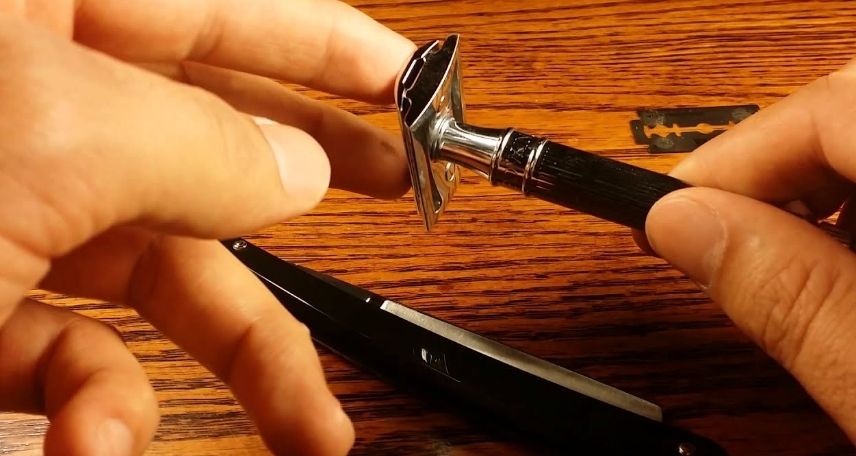
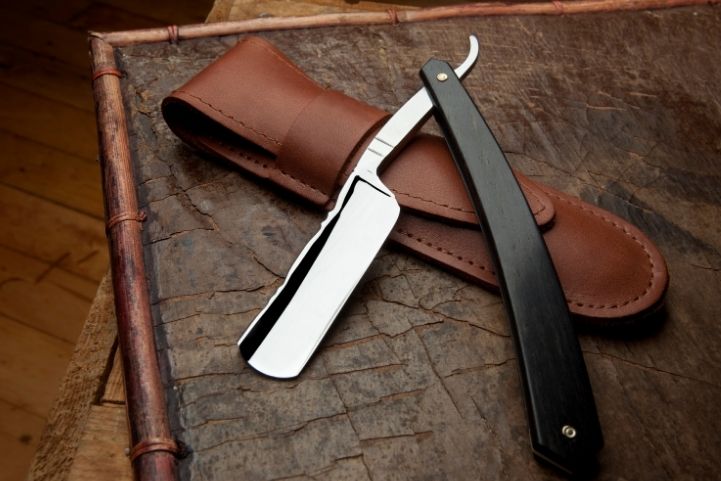
A straight razor has a long, sharp blade that folds into the handle. The blade is usually made from high-quality steel. It does not use disposable cartridges or blades.
The handle is often made from wood, plastic, or metal. The blade’s edge can be very sharp, allowing a close shave. The razor’s weight and balance affect control and comfort.
Shaving Technique
Using a straight razor needs a steady hand. Hold the blade at about 30 degrees against the skin. Use short, gentle strokes to avoid cuts.
Stretch the skin with your free hand for a smooth surface. Shave with the grain of hair first. Then, you can carefully shave against it for a closer shave.
Maintenance And Care
Keeping a straight razor sharp is very important. Regular honing with a stone keeps the edge smooth. Strop the blade before each shave to align the edge.
Always dry the razor after use to prevent rust. Store it in a dry place away from moisture. Proper care extends the razor’s life and performance.
Safety Razor Essentials
Safety razors have grown popular for their classic style and close shave. They offer a good balance between ease of use and shaving quality. Understanding their essentials helps new users feel confident and get the best results.
These razors use a protective guard that reduces skin cuts. They are simple to handle and work well on all hair types. Knowing the design, technique, and care needed makes shaving smoother and safer.
Design And Features
Safety razors have a metal handle and a head that holds one double-edged blade. The blade sits between two protective bars. This design limits how much blade touches the skin. It lowers the chance of nicks and cuts.
Most safety razors allow blade replacement. This keeps the blade sharp and clean. The head might twist open or lift off to change blades. The weight and balance help control the razor during shaving.
Shaving Technique
Use light pressure when shaving with a safety razor. Let the razor’s weight do the work. Hold the blade at about a 30-degree angle to your skin. Short, slow strokes work best for a close shave.
Shave with the direction of hair growth first. Then, if needed, shave across or against the grain carefully. Rinse the blade often to remove hair and cream. This keeps the razor clean and effective.
Maintenance And Care
Rinse your safety razor with warm water after each use. Dry it well to prevent rust and damage. Replace blades regularly to avoid dullness and skin irritation. Store the razor in a dry place.
Clean the razor deeply every few weeks. Use mild soap and a soft brush to remove buildup. Proper care extends the life of the razor and keeps it safe to use.
Shaving Experience Comparison
Choosing between a straight razor and a safety razor affects your daily shave. Each tool offers a unique feel and process. This section compares the shaving experience of both options. It covers comfort, control, shave quality, and the time needed. Understanding these points helps you pick the right razor for your needs.
Comfort And Control
The straight razor requires steady hands and focus. It offers high control over blade angle and pressure. This control can reduce skin irritation with practice. The safety razor uses a protective guard. It limits the blade’s exposure to skin. This guard helps prevent cuts and makes shaving easier. Safety razors suit beginners and those with sensitive skin.
Close Shave Quality
Straight razors provide a very close shave. The single sharp blade cuts hair at skin level. This often results in smoother skin for longer. Safety razors also give a close shave. Their multiple blades lift and cut hair effectively. Though slightly less close than straight razors, they reduce the risk of nicks. Both razors deliver good results with proper technique.
Time And Effort
Shaving with a straight razor takes more time. You must prepare the blade and use careful strokes. This method involves regular blade maintenance. The safety razor is quicker and simpler to use. It requires less skill and fewer steps. Safety razors fit well into busy morning routines. The straight razor suits those who enjoy a slow, mindful shave.
Cost And Longevity
Cost and longevity are key factors in choosing between a straight razor and a safety razor. Both tools have different price points and last for different periods. Understanding these aspects helps you decide which one fits your budget and shaving habits.
Initial Investment
Straight razors usually cost more upfront. You pay for the razor itself and the accessories. These include a strop and sometimes a case. Safety razors have a lower starting price. You buy the razor and use replaceable blades. The initial cost is less, making safety razors more accessible.
Blade Replacement And Durability
Straight razors do not need frequent blade changes. You sharpen the blade regularly to keep it sharp. This can last for many years if cared for. Safety razor blades are disposable. They need replacing after a few shaves. The razor handle lasts long, but blades wear out fast.
Long-term Savings
Straight razors save money over time. No need to buy new blades often. Proper maintenance extends the razor’s life. Safety razors may cost less first but add up. Buying new blades regularly increases the total cost. Long-term, straight razors can be more economical.
Safety And Risk Factors
Choosing between a straight razor and a safety razor involves understanding safety and risk factors. Both tools offer close shaves but differ in how risky they are. Knowing these differences helps prevent cuts and injuries.
Common Injuries
Straight razors can cause deep cuts if handled carelessly. The blade is very sharp and exposed. Safety razors have a guard that covers most of the blade. This guard lowers the chance of serious cuts. Still, nicks and small cuts can happen with both tools.
Skill Level Required
Straight razors need more skill and practice to use safely. Beginners might find it hard to control the sharp blade. Safety razors are easier for new shavers. They offer a safer shave with less risk of injury.
Precautions And Tips
Always use a sharp blade to avoid tugging hair and skin damage. Hold the razor at a low angle, about 30 degrees. Shave slowly and with light pressure. Keep skin tight to prevent cuts. Rinse the blade often to keep it clean. Store razors in a dry place to stop rust and dullness.

Environmental Impact
Shaving tools affect the environment in many ways. Choosing between a straight razor and a safety razor matters beyond just style and comfort. Understanding their environmental impact helps you make a better choice for the planet.
Waste And Sustainability
Straight razors produce almost no waste. They use a single blade that lasts for years. Safety razors need disposable blades that end up in trash bins. These small metal blades pile up and take a long time to break down. Using a straight razor reduces waste significantly.
Material And Manufacturing
Straight razors are often made from steel or carbon steel. These materials are durable and recyclable. The manufacturing process is simple but requires more metal. Safety razors have plastic handles and metal parts. Plastic production uses more energy and creates pollution. The mix of materials in safety razors makes recycling harder.
Eco-friendly Choices
Choosing a straight razor supports a low-waste lifestyle. It lasts for decades with proper care. Safety razors can be eco-friendly if you pick brands with recyclable blades. Some companies offer blade recycling programs. Look for razors made from recycled or sustainable materials. Small changes in shaving habits can help the environment.
Which Razor Suits You
Choosing between a straight razor and a safety razor depends on your daily needs and habits. Each type offers unique benefits and challenges. Understanding your lifestyle, skin type, and budget helps pick the right one for you. Let’s explore what suits you best.
Lifestyle And Preferences
Consider how much time you spend shaving. A straight razor needs more skill and time. It suits those who enjoy a traditional shave. Safety razors work faster and are easier to use. They fit busy lifestyles well. Think about your comfort with tools and maintenance too.
Skin Type Considerations
Sensitive skin benefits from fewer blade passes. Straight razors can reduce irritation if used properly. Safety razors offer more blade options for different skin types. Choose a razor that minimizes cuts and redness. Test what feels gentle on your skin.
Budget And Commitment
Straight razors require an upfront investment for quality blades and tools. They last longer but need regular sharpening. Safety razors cost less initially and use replaceable blades. They need less upkeep but have ongoing blade expenses. Pick based on how much time and money you want to spend.

Frequently Asked Questions
What Are The Main Differences Between Straight And Safety Razors?
Straight razors have a single exposed blade requiring skill. Safety razors have a protective guard, making them safer and easier to use. Straight razors offer a closer shave, while safety razors reduce the risk of cuts and are beginner-friendly.
Which Razor Is Better For Sensitive Skin?
Safety razors are generally better for sensitive skin. They minimize irritation by controlling blade exposure. Straight razors provide a very close shave but require careful technique to avoid skin damage.
How Does The Cost Compare Between Straight And Safety Razors?
Straight razors have a higher upfront cost but last for years. Safety razors are more affordable initially and use replaceable blades. Over time, straight razors can be more cost-effective due to fewer blade replacements.
Is Shaving With A Straight Razor Difficult For Beginners?
Yes, straight razors need practice and skill to avoid cuts. Safety razors are easier for beginners because of their built-in safety features. Many recommend starting with a safety razor before progressing to a straight razor.
Conclusion
Choosing between a straight razor and a safety razor depends on your needs. A straight razor offers a close shave but needs skill and care. A safety razor is easier and safer to use. Both can give a smooth finish if used right.
Think about your comfort and time before deciding. Trying both can help find what fits you best. Shaving should feel good, not stressful. Take your time and enjoy the process.