Last Updated on September 9, 2026
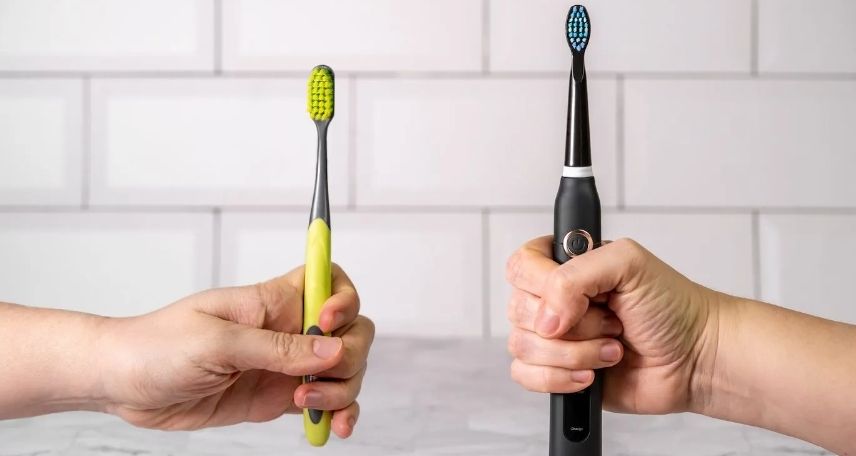
Are you still using a manual toothbrush and wondering if it’s time for an upgrade? Choosing between an electric toothbrush and a manual one can feel confusing.
You want the best for your teeth, but which option really cleans better and keeps your smile healthy? This article will help you understand the key differences so you can make the right choice for your daily routine. Keep reading to discover how each type works and which one fits your needs perfectly.
Your smile deserves the best care!
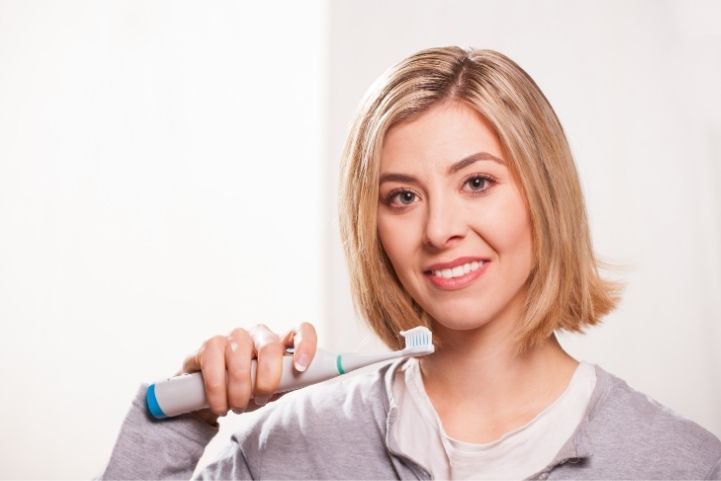
Electric Toothbrush Benefits
Electric toothbrushes offer many benefits over manual ones. They make brushing easier and more effective. Many people find them helpful for keeping their teeth clean and healthy. Here are some key advantages of using an electric toothbrush.
Enhanced Plaque Removal
Electric toothbrushes remove more plaque than manual brushes. Their fast-moving bristles clean hard-to-reach areas better. This helps reduce the risk of cavities and gum disease. Dentists often recommend electric brushes for better oral hygiene.
Built-in Timers And Sensors
Most electric toothbrushes have timers that ensure you brush long enough. They signal when you reach two minutes, the ideal brushing time. Some models also have pressure sensors. These stop brushing if you press too hard, protecting your gums.
Ease Of Use For All Ages
Electric toothbrushes are simple to use for children and adults. They do most of the work, requiring less effort. This is helpful for people with limited hand movement. Seniors and kids especially benefit from the ease and comfort.
Variety Of Brush Heads
Electric toothbrushes come with different brush heads for various needs. Options include sensitive, whitening, and orthodontic heads. This lets users choose the best fit for their teeth and gums. Changing heads regularly keeps the brush effective and clean.
Manual Toothbrush Advantages
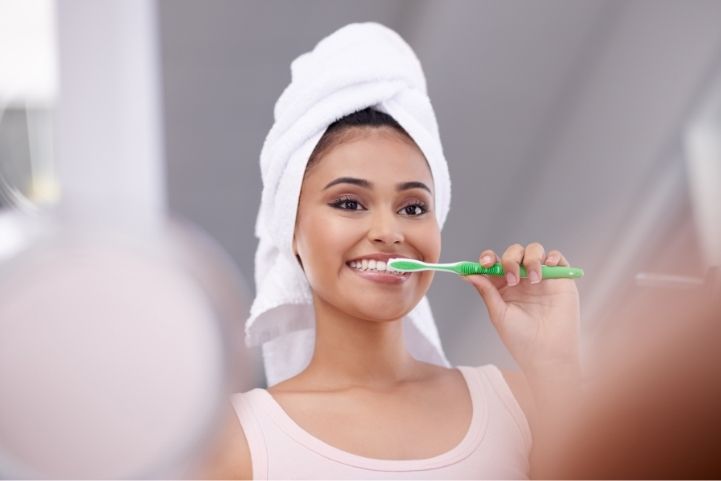
Manual toothbrushes have been a trusted choice for many years. They offer several benefits that suit different needs and lifestyles. Understanding these advantages helps in making a smart choice for oral care.
Cost-effectiveness
Manual toothbrushes are much cheaper than electric ones. They cost less to buy and replace. This makes them a budget-friendly option for families and individuals. You can easily find good quality manual brushes at low prices.
Portability And Convenience
Manual toothbrushes are light and easy to carry. They fit well in any bag or pocket. No batteries or charging are needed. This makes them perfect for travel and daily use outside the home.
Better Control Over Pressure
With a manual toothbrush, you control the brushing pressure. This helps avoid brushing too hard, which can hurt gums. You can adjust your hand movements for gentle or firm cleaning. This control supports safe and effective brushing habits.
Wide Availability
Manual toothbrushes are available almost everywhere. Stores, pharmacies, and supermarkets stock them. You can find many styles, sizes, and bristle types. This wide availability makes it easy to replace or switch brushes anytime.
Effectiveness In Oral Hygiene
Choosing the right toothbrush affects your oral health a lot. Both electric and manual toothbrushes clean teeth but differ in how well they work. Understanding their effectiveness helps you pick the best tool for daily care.
Plaque And Tartar Control
Electric toothbrushes remove plaque better than manual ones. Their fast bristle movements reach tough spots easily. Manual brushing depends on your technique and effort. Plaque buildup leads to tartar, which is harder to clean. Electric brushes reduce tartar formation with consistent use.
Gum Health Impact
Electric toothbrushes gently massage gums while cleaning. This improves blood flow and reduces gum swelling. Manual brushing can harm gums if done too hard or incorrectly. Many electric models have pressure sensors to protect gums. Healthy gums prevent bleeding and tooth loss.
Whitening Capabilities
Electric toothbrushes often clean stains more effectively. Their strong motion helps remove surface discoloration. Manual brushes can clean teeth but may need more effort. Using whitening toothpaste with an electric brush boosts results. A brighter smile comes with regular, thorough cleaning.
User Experience And Comfort
User experience and comfort are important when choosing a toothbrush. The feel and ease of use affect daily brushing habits. Comfort also impacts how long and well people brush their teeth.
Ease Of Handling
Manual toothbrushes are light and simple to hold. They do not need charging or special care. Electric toothbrushes can feel heavier because of the motor and battery. Some models have thick handles for a better grip. Both types work well if you hold them properly.
Comfort And Sensitivity
Electric toothbrushes often have soft bristles and gentle vibrations. This can reduce gum irritation and improve comfort. Manual brushes come in many bristle types, from soft to hard. People with sensitive gums might find electric models less harsh. Both can clean effectively without hurting gums.
Learning Curve
Manual toothbrushes need brushing skill and proper technique. Some people find it easy right away. Electric toothbrushes guide your motion with rotating or vibrating heads. They require little effort and skill. Some users need a few days to get used to the buzzing feeling.
Maintenance And Durability
Maintenance and durability are key factors when choosing between an electric and a manual toothbrush. Both types require care to stay effective and last long. Understanding how to clean, replace parts, and maintain each brush helps you keep your teeth healthy.
Cleaning And Replacement
Manual toothbrushes need rinsing after each use. This stops bacteria from building up. Replace the brush head every three months or sooner if bristles wear out. Electric toothbrushes require cleaning of both the handle and the brush head. Detach the head and rinse it well. Change the brush head every three months as well. Keeping both brushes clean helps prevent germs and keeps your mouth fresh.
Battery Life And Charging
Manual toothbrushes do not need batteries or charging. This makes them simple to use anywhere. Electric toothbrushes run on rechargeable batteries. Charging time varies but usually takes 12 to 24 hours. Some models hold a charge for weeks. Always charge your electric toothbrush fully for best use. Avoid overcharging to protect battery life.
Longevity Of The Toothbrush
A manual toothbrush can last a long time if you replace it regularly. The handle is simple and durable. Electric toothbrushes have more parts that can wear out. The motor and battery may weaken after years. The brush heads need regular replacement to keep cleaning well. Choosing a good brand helps ensure the toothbrush lasts longer.
Cost Comparison
Comparing the cost of electric and manual toothbrushes helps you decide which one fits your budget. Both types have different expenses over time.
Understanding these costs can guide your choice and help you save money in the long run.
Initial Investment
Manual toothbrushes are cheap. You can buy one for a dollar or two. Electric toothbrushes cost more upfront. Prices usually range from $20 to $100 or more. This higher cost might seem like a big step.
Long-term Expenses
Manual toothbrushes need replacement every three months. Each new brush costs a few dollars. Electric toothbrushes require new brush heads, which cost more than manual brushes. You also need to charge or replace batteries. These costs add up over time.
Value For Money
Manual brushes are low cost but need frequent replacements. Electric brushes cost more but may clean better. They can reduce dental problems and visits. Saving on dental bills can balance the higher price of electric brushes. Think about your dental health and budget together.
Environmental Impact
Choosing between an electric and manual toothbrush affects the environment in different ways. Understanding these impacts helps make better choices for the planet. Let’s explore how each type influences environmental health.
Material Waste
Manual toothbrushes often use plastic handles that are thrown away after a few months. Electric toothbrushes have replaceable heads but a bulky base that lasts longer. Still, both create plastic waste that can harm the environment. Some brands offer recyclable or biodegradable options to reduce waste. Small changes in materials can lower the amount of trash produced.
Energy Consumption
Manual toothbrushes need no electricity, so they have zero energy use during brushing. Electric toothbrushes require charging, which uses electricity daily or weekly. The energy use varies by model and charging habits. Using energy-efficient chargers or unplugging when fully charged helps save power. Over time, electricity use adds up and affects your carbon footprint.
Sustainability Options
Some manual toothbrushes use bamboo or recycled plastics to be eco-friendly. Electric toothbrushes have started using rechargeable batteries and recyclable materials. Many companies now focus on sustainability in design and packaging. Choosing products made from natural or recyclable materials supports environmental care. These options help reduce pollution and conserve resources.
Choosing The Right Toothbrush
Choosing the right toothbrush is important for your oral health. The right toothbrush helps remove plaque and keeps your gums healthy. Both electric and manual toothbrushes have benefits. Your choice depends on your personal needs and daily routine.
Personal Oral Health Needs
Think about your teeth and gums. Sensitive gums may need a soft-bristled brush. If you have braces, an electric toothbrush might clean better. People with limited hand movement can find electric brushes easier to use. Your dental health condition guides your choice.
Lifestyle Considerations
Consider how much time you spend brushing. Electric toothbrushes often have timers to help you brush longer. Manual brushes are simple and easy to carry. Travel habits can influence your choice. Battery life and charging are important for electric brushes.
Consulting Dental Professionals
Dentists know your oral health best. They can recommend the toothbrush that suits your needs. Regular dental visits help track your oral health progress. Ask your dentist about the best brushing techniques too. Their advice ensures effective and safe brushing.
Frequently Asked Questions
Which Is Better: Electric Or Manual Toothbrush?
Electric toothbrushes generally clean teeth more effectively by providing consistent brushing motion. Manual brushes require proper technique and effort. Both can maintain oral health if used correctly, but electric brushes often improve plaque removal and gum health.
Are Electric Toothbrushes Worth The Extra Cost?
Electric toothbrushes cost more upfront but offer better plaque removal and ease of use. They often have timers and pressure sensors for improved brushing. For many, the benefits justify the price, especially for those with limited dexterity or orthodontic appliances.
How Often Should I Replace My Toothbrush?
Replace your toothbrush or electric brush head every three months. Worn bristles reduce cleaning effectiveness and can harbor bacteria. If bristles fray sooner, replace the brush earlier to maintain optimal oral hygiene.
Can Manual Toothbrushes Clean As Well As Electric Ones?
Manual toothbrushes can clean teeth well if used with proper technique. However, electric brushes provide consistent strokes and often better plaque removal. People with limited brushing skills may benefit more from electric toothbrushes.
Conclusion
Choosing between an electric and manual toothbrush depends on your needs. Electric brushes offer easier cleaning with less effort. Manual brushes are simple, affordable, and effective if used correctly. Both types help keep your teeth healthy when used daily. Think about your budget, comfort, and dental advice.
The best brush is the one you use well every day. Keep brushing, keep smiling!