Last Updated on September 9, 2026
Are you trying to choose the best juicer for your health goals? You’ve probably come across two popular types: masticating juicers and cold press juicers.
But what’s the real difference between them? And which one is right for you? Making the right choice can boost the freshness, taste, and nutrients in your juice. Keep reading, and you’ll discover exactly how these juicers work, their benefits, and which one fits your lifestyle perfectly.
Don’t miss out on unlocking the full potential of your homemade juice!
Masticating Juicer Basics
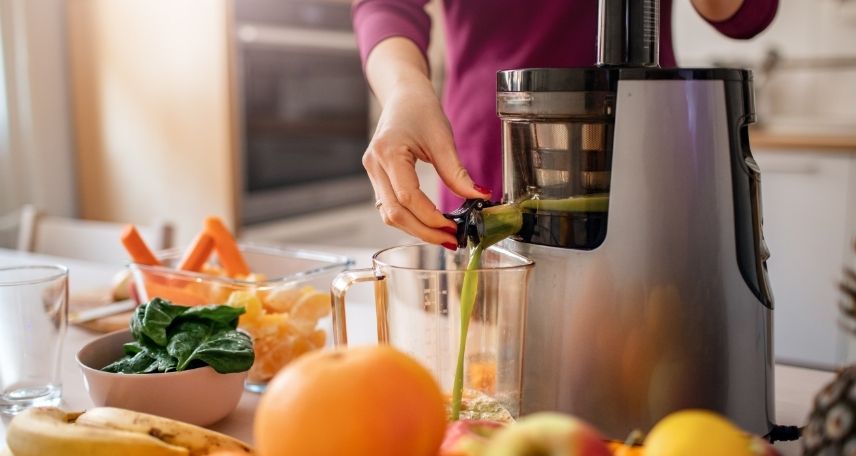
Masticating juicers are popular for healthy juice lovers. They use a slow pressing method to extract juice. This preserves more nutrients and flavor. These juicers work well with leafy greens and soft fruits. Many people prefer them for daily juice making.
Understanding how masticating juicers work helps you choose the right juicer. Knowing their features and pros and cons guides your buying decision. Let’s explore the basics of masticating juicers.
How It Works
A masticating juicer crushes fruits and vegetables. It uses a single gear or auger that spins slowly. This slow speed squeezes juice out without much heat. The juice flows out through a fine mesh screen. The pulp is pushed out separately. This process keeps most vitamins and enzymes intact.
Key Features
These juicers operate at low speed, usually under 100 RPM. They are quiet compared to other juicers. The design often includes a single auger and a small chute. Many have easy-to-clean parts. They can juice leafy greens, wheatgrass, and nuts well. Their compact size fits most kitchens.
Pros And Cons
Pros include high juice yield and better nutrient retention. Juice lasts longer without separating. They can handle a wide variety of produce. The slow operation means less noise.
Cons include a longer juicing time compared to fast juicers. The price tends to be higher. Some models may be harder to clean fully. They may not be ideal for large juice quantities quickly.

Cold Press Juicer Essentials
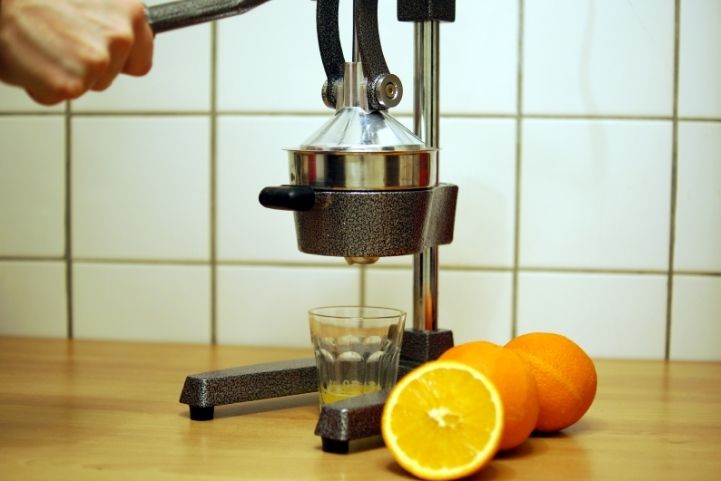
Cold press juicers are popular for making fresh juice with more nutrients. They work by slowly crushing fruits and vegetables. This method keeps the juice pure and rich in vitamins.
These juicers are different from traditional types. They produce less heat, which helps keep the natural flavor. Many people choose cold press juicers for their health benefits.
Juicing Process
Cold press juicers use a slow, gentle process. They crush and press fruits and vegetables. This squeezes out the juice without adding heat. The slow speed means less foam and more juice.
The juice flows out while the pulp stays behind. This method takes longer than fast juicers. But it saves more nutrients and enzymes in the juice.
Main Characteristics
These juicers work at low speeds, around 40-80 RPM. They use an auger to press the produce. The process is quiet and smooth. They handle leafy greens and soft fruits well.
Cold press juicers are larger and heavier than others. They have fewer moving parts, so cleaning is easy. The juice lasts longer without separating or oxidizing.
Advantages And Drawbacks
Cold press juicers keep more vitamins and enzymes. They produce juice with better taste and texture. The juice can last up to 72 hours in the fridge. These juicers are also quieter during use.
The main drawback is the slower juicing time. They tend to be more expensive than other types. Some models need more space on your countertop. Cleaning can take a little longer than fast juicers.
Juice Quality Comparison
Juice quality is a key factor when choosing between a masticating juicer and a cold press juicer. Both types aim to preserve the natural benefits of fruits and vegetables. This section breaks down how they compare in nutrient retention, flavor, texture, and shelf life. These points help you decide which juicer suits your needs best.
Nutrient Retention
Masticating juicers use slow crushing to extract juice. This method reduces heat and oxidation. It helps keep vitamins and enzymes intact. Cold press juicers also use slow pressing but may apply more pressure. They preserve nutrients well but can cause slight heat increase. Both juicers protect nutrients better than fast spinning juicers. Choosing either helps you get more vitamins in your juice.
Flavor And Texture
Masticating juicers produce juice with smooth texture and rich flavor. The slow crush keeps the juice fresh and less foamy. Cold press juicers create juice that is thick and pulpy. They may extract more juice from fibrous vegetables. Both juicers keep natural sweetness and avoid bitterness. The difference in texture depends on the fruit or vegetable used.
Shelf Life
Juice from masticating juicers lasts longer in the fridge. It can stay fresh for up to 72 hours. Cold press juice also has good shelf life but may spoil faster. Both types reduce oxidation, which extends freshness. Storing juice in airtight containers helps keep it fresh. Always refrigerate juice immediately after extraction.

Performance And Efficiency
Performance and efficiency are key factors when choosing between a masticating juicer and a cold press juicer. Both types aim to extract the most juice while preserving nutrients. Understanding how they perform helps you pick the best option for daily use. Efficiency also affects your time and effort in making fresh juice.
Juice Yield
Masticating juicers use slow crushing to extract juice. This method squeezes more juice from fruits and vegetables. Cold press juicers work similarly, pressing produce slowly to keep nutrients intact. Both types offer higher juice yield than centrifugal juicers. You get more juice with less waste.
Speed And Noise Levels
Masticating juicers operate at slower speeds. They make less noise during juicing. Cold press juicers also run slowly, but some models may be quieter. Both options are ideal for quiet mornings or small kitchens. They take longer than fast juicers but create less sound.
Ease Of Cleaning
Masticating juicers often have multiple parts to clean. Some models are designed for easier disassembly. Cold press juicers can be more complex, depending on the brand. Both require rinsing parts right after use. Cleaning time varies but affects daily convenience.
Health Benefits Of Each Juicer
Choosing the right juicer affects your health benefits. Both masticating and cold press juicers offer unique advantages. Each method preserves nutrients in different ways. Understanding these benefits helps you pick the best juicer for your needs.
Impact On Vitamins And Enzymes
Masticating juicers use slow, grinding action. This process keeps more vitamins and enzymes intact. The slow speed reduces heat and oxidation, which can damage nutrients.
Cold press juicers gently press fruits and vegetables. This method also protects vitamins and enzymes well. It extracts juice without exposing it to much air or heat.
Both juicers help keep important nutrients. This means your juice will have more health benefits.
Effect On Fiber Content
Masticating juicers keep more fiber in the juice. Their slow crushing extracts pulp along with juice. This fiber aids digestion and helps you feel full longer.
Cold press juicers separate juice from most fiber. The juice is smoother but has less pulp. Some fiber is lost, but the juice still contains nutrients.
If you want more fiber, masticating juicers are better. For smoother juice with less pulp, cold press juicers work well.
Cost And Durability
Cost and durability are key factors when choosing between a masticating juicer and a cold press juicer. Both types aim to extract juice with minimal heat and oxidation, but their prices and build quality vary. Understanding these differences helps buyers pick the right juicer for their budget and needs.
Price Range
Masticating juicers usually cost between $150 and $400. Cold press juicers tend to be more expensive, ranging from $300 to $700. The price depends on brand, features, and motor strength. Budget-friendly models suit casual users. Higher-end machines fit those who juice daily or in large amounts.
Build Quality
Masticating juicers often have durable plastic or metal parts. Their slow motor reduces wear and tear. Cold press juicers use heavy-duty materials like stainless steel. They feature strong motors to handle tough fruits and vegetables. Both types last several years with proper care.
Warranty And Support
Most masticating juicers come with a 1 to 5-year warranty. Cold press juicers usually offer 2 to 10 years of coverage. Longer warranties show confidence in product durability. Customer support varies by brand. Reliable support helps solve issues quickly and keeps the juicer running well.
Choosing The Right Juicer
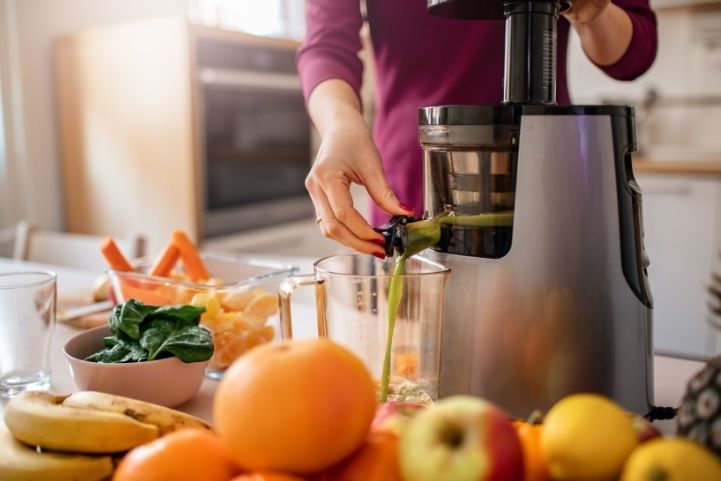
Choosing the right juicer is important for a great juicing experience. Your choice affects taste, nutrition, and ease of use. Each juicer type works better for different needs. Consider your daily habits and what you want to juice.
Think about what fits your lifestyle. This helps pick the best juicer for you.
Lifestyle Considerations
Do you juice every day or occasionally? Frequent juicers benefit from easy-to-clean machines. Masticating juicers take longer to clean but offer richer juice. Cold press juicers are faster and good for quick use. Noise level matters too. Masticating juicers are quieter. Cold press models can be louder. Choose based on your routine and preferences.
Types Of Produce
Different juicers handle produce differently. Masticating juicers excel with leafy greens and wheatgrass. They crush and squeeze well for maximum juice. Cold press juicers also handle soft fruits and vegetables smoothly. Hard produce like carrots and beets work well in both types. Think about what fruits and veggies you juice most. This guides your choice for better results.
Space And Storage
Kitchen space can limit your options. Masticating juicers are often larger and heavier. Cold press juicers vary but can be bulky too. If space is tight, consider a compact model. Storage ease affects daily use. A juicer that fits your counter or cabinet encourages regular juicing. Measure your space and check dimensions before buying.

Frequently Asked Questions
What Is The Main Difference Between Masticating And Cold Press Juicers?
Masticating juicers use a slow gear to crush produce, while cold press juicers extract juice by pressing. Both methods preserve nutrients but differ in extraction mechanics and speed.
Which Juicer Retains More Nutrients And Enzymes?
Both masticating and cold press juicers retain high nutrients and enzymes due to low heat and slow extraction. They minimize oxidation and preserve juice quality better than centrifugal juicers.
Are Masticating Juicers Better For Leafy Greens?
Yes, masticating juicers excel at extracting juice from leafy greens and wheatgrass. Their slow crushing action efficiently breaks down tough fibers for maximum yield.
Is Cold Press Juicing Slower Than Masticating Juicing?
Cold press juicing is generally slower as it uses hydraulic pressure to extract juice. Masticating juicers are faster but still slower than traditional juicers.
Conclusion
Choosing between a masticating juicer and a cold press depends on your needs. Both make fresh, healthy juice with good nutrients. Masticating juicers work slowly and keep more vitamins. Cold press juicers also preserve nutrients but can be faster. Think about your budget and how often you will use it.
Both types bring tasty juice to your glass. Enjoy the process and the benefits of fresh juice every day.