Last Updated on September 15, 2026
When it comes to choosing the perfect sheets for your bed, you want something that feels just right against your skin. But with so many options out there, how do you decide between cotton sheets and bamboo sheets?
You might be wondering which one will keep you cooler, last longer, or feel softer night after night. This article will help you cut through the confusion and find the best fit for your comfort and lifestyle. Keep reading to discover the key differences that can transform your sleep experience.
Cotton Sheets Basics
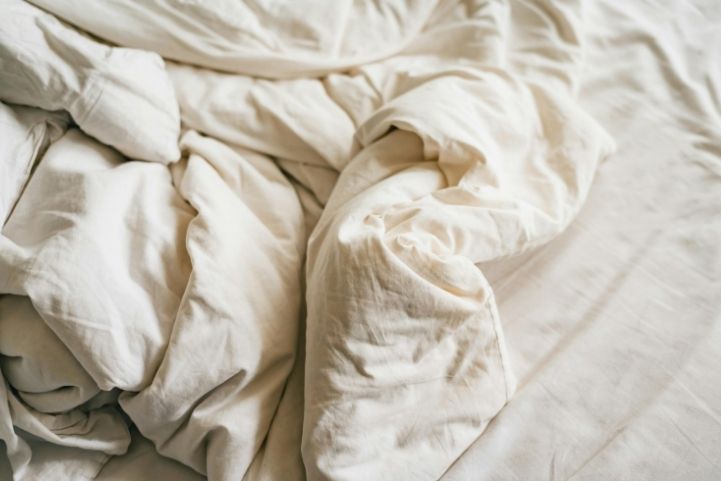
Cotton sheets remain a popular choice for many people. They offer comfort, breathability, and durability. Understanding the basics of cotton sheets helps you choose the right set for your bed.
Many factors affect cotton sheets’ feel and quality. These include the type of cotton, how the fabric is woven, and the thread count. Each plays a role in the overall sleep experience.
Types Of Cotton
There are several types of cotton used in sheets. Egyptian cotton is known for its long fibers and softness. Pima cotton also has long fibers and feels smooth. Upland cotton is more common and has shorter fibers. The type of cotton affects softness and strength.
Weave Patterns
Weave patterns change the texture and feel of cotton sheets. Percale weave is crisp and cool, perfect for hot sleepers. Sateen weave feels silky and smooth, with a slight shine. The weave also affects how the sheets wear over time.
Thread Count Impact
Thread count measures how many threads are in one square inch. A higher thread count usually means softer sheets. But too high can reduce breathability. A thread count between 200 and 400 is best for most people. It balances softness and air flow well.
Bamboo Sheets Basics
Bamboo sheets are a popular choice for bedding. They feel soft and cool on the skin. Many people like them for comfort and sustainability. Understanding the basics of bamboo sheets helps you decide if they suit your needs.
These sheets come from bamboo plants. The way bamboo turns into fabric affects its feel and quality. Bamboo sheets also offer some benefits for the environment. Let’s explore how bamboo fabric is made, the types of fibers, and why it is eco-friendly.
Bamboo Fabric Process
Bamboo fabric starts as bamboo stalks. The stalks are cut and crushed. Then, they are soaked to soften the fibers. After that, the fibers are spun into yarn. The yarn is woven or knitted into sheets. This process can be mechanical or chemical. Mechanical means crushing and combing fibers. Chemical uses solvents to dissolve bamboo and make viscose. The method affects the softness and strength of the sheets.
Types Of Bamboo Fibers
There are mainly three types of bamboo fibers. The first is bamboo linen. It is made by mechanically crushing the bamboo. Linen feels rougher but is strong and durable. The second is bamboo viscose or rayon. It is softer and smoother. This type uses chemicals to make the fabric. The third is bamboo lyocell. It is made with a safer chemical process. Lyocell is soft, breathable, and eco-friendlier than viscose. Each fiber type has unique qualities for bedding.
Environmental Benefits
Bamboo grows fast without pesticides. It needs little water compared to cotton. Bamboo plants absorb more carbon dioxide from the air. They help reduce greenhouse gases. Bamboo farming does not require replanting often. The roots stay alive and grow back quickly. Bamboo sheets can reduce the impact on forests. Choosing bamboo sheets can support sustainable farming. This benefits the planet and natural resources.
Comfort And Feel
Comfort and feel are key when choosing bed sheets. They affect how well you sleep and how cozy your bed feels. Cotton and bamboo sheets offer unique textures and benefits. Let’s explore their differences in softness, breathability, and moisture control.
Softness Comparison
Cotton sheets have a classic soft feel. They get softer after each wash. High-quality cotton, like Egyptian or Pima, feels smooth and rich.
Bamboo sheets feel silky and smooth. They often feel softer than cotton at first touch. Bamboo fibers create a gentle, luxurious texture.
Breathability And Cooling
Cotton allows good airflow. It keeps you cool but can trap heat in humid weather. Breathable cotton helps reduce night sweats.
Bamboo excels at breathability. It lets air flow freely and stays cooler than cotton. Bamboo sheets feel fresh and light, perfect for warm sleepers.
Moisture Wicking
Cotton absorbs moisture well but can stay damp longer. This may cause discomfort during hot nights.
Bamboo wicks moisture away quickly. It dries faster and keeps you dry. This helps maintain comfort all night long.
Durability And Care
Durability and care are important when choosing between cotton sheets and bamboo sheets. These factors affect how long your sheets last and how easy they are to maintain. Knowing the differences helps you pick the right sheets for your bedroom.
Lifespan Expectations
Cotton sheets are strong and can last many years. High-quality cotton, like Egyptian or Pima, lasts longer. Bamboo sheets are soft but may wear out faster. They still offer good durability if cared for properly.
Both types may weaken if washed too often or with harsh detergents. Choosing the right fabric and care routine extends their life.
Washing Tips
Wash cotton sheets in warm water with mild detergent. Avoid bleach to keep colors bright. Dry on low heat or air dry for best results.
Bamboo sheets need gentle washing. Use cold or cool water and mild detergent. Avoid fabric softeners to keep fibers strong. Dry on low heat or hang dry to prevent damage.
Resistance To Wrinkles And Pilling
Cotton sheets tend to wrinkle easily, especially without ironing. Pilling can happen over time, mainly with lower-quality cotton.
Bamboo sheets resist wrinkles better and feel smoother. They rarely pill, keeping a fresh look longer. This makes bamboo sheets easier to keep neat.
Hypoallergenic Properties
Hypoallergenic properties are important when choosing bed sheets. These properties help reduce allergic reactions and skin irritation. Cotton and bamboo sheets both offer benefits but differ in how they handle allergens. Understanding these differences can guide you to better sleep.
Allergy Considerations
Cotton sheets are soft and breathable. They allow air to flow, reducing sweat and moisture. This helps prevent dust mites, common allergy triggers. However, some people may react to cotton pesticides or dyes.
Bamboo sheets naturally resist dust mites and mold. They are less likely to hold allergens. Bamboo fibers are smooth and gentle on sensitive skin. This makes bamboo a good choice for allergy sufferers.
Antibacterial Features
Cotton has no natural antibacterial properties. Bacteria can grow if sheets stay damp. Washing cotton sheets often helps keep them clean.
Bamboo sheets contain natural antibacterial agents. These help reduce bacteria and odors. Bamboo stays fresh longer without frequent washing. This makes bamboo sheets a hygienic option.
Cost And Value
Cost and value play a big role in choosing between cotton and bamboo sheets. Both have their price points and benefits. Understanding these helps pick the best fit for your budget and needs.
Price is often the first thing people notice. But value goes beyond just the cost tag. It includes durability, comfort, and how well the sheets last over time.
Price Range
Cotton sheets usually cost less than bamboo sheets. Basic cotton sets start at affordable prices. Premium cotton, like Egyptian or Pima, can be more expensive. Bamboo sheets tend to have higher starting prices. Their production process is more complex. This raises the cost for buyers. Expect bamboo sheets to be mid to high price range. The price gap depends on brand and thread count.
Long-term Investment
Durability affects long-term value. Cotton sheets can last for years if cared for well. They may get softer with washing. Bamboo sheets are also durable and resist wear. They often stay smooth and strong over time. Bamboo’s natural properties may reduce wrinkles and odors. This adds to their value. Both types need proper care to last. Consider how often you want to replace sheets. Sometimes paying more upfront saves money later.
Sustainability Impact
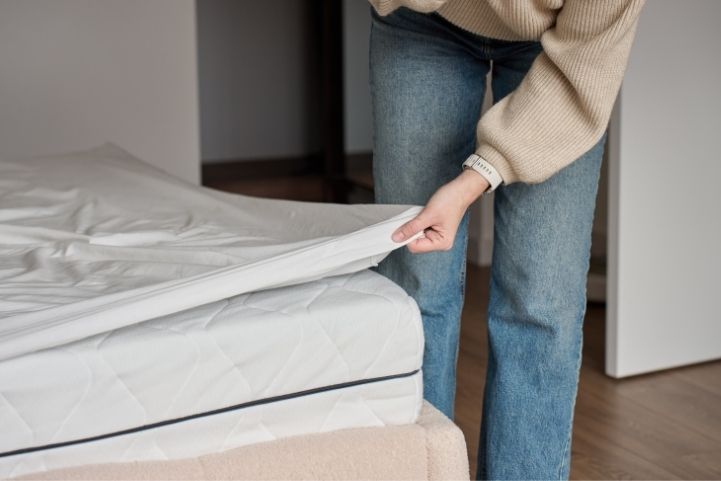
Sustainability matters more than ever. Choosing the right sheets affects the planet. Cotton and bamboo sheets each have different impacts on the environment. Understanding these differences helps make better choices for the earth.
Water Usage
Cotton farming uses a lot of water. It takes about 2,700 liters of water to grow enough cotton for one shirt. Cotton fields often need irrigation, which strains water supplies in dry areas. Bamboo plants need much less water. Bamboo grows quickly and can survive with natural rain. This makes bamboo a more water-friendly option for fabric production.
Chemical Treatments
Cotton crops usually require pesticides and fertilizers. These chemicals can harm soil and water quality. Many cotton sheets use chemical dyes and finishes. Bamboo grows naturally without many chemicals. But processing bamboo into fabric may involve chemicals too. Choosing bamboo made with eco-friendly methods reduces chemical impact.
Carbon Footprint
Cotton farming and processing create carbon emissions. Tractors, irrigation, and factories all use fossil fuels. Bamboo absorbs more carbon dioxide as it grows fast. This helps lower its overall carbon footprint. Bamboo fabric production generally uses less energy. This means bamboo sheets have a smaller carbon footprint than cotton sheets.
Choosing The Right Sheets
Choosing the right sheets can make a big difference in your sleep quality. Cotton and bamboo sheets each offer unique benefits. Your choice depends on what feels best and fits your needs.
Consider your comfort, the climate you live in, and your budget. These factors help you pick sheets that suit you perfectly.
Personal Sleep Preferences
Think about how you like your sheets to feel. Cotton sheets are soft and breathable. They tend to get softer with each wash. Bamboo sheets feel smooth and silky. They are also gentle on sensitive skin. If you prefer a cooler feel, bamboo might be better. For a classic, cozy touch, choose cotton.
Climate Considerations
Your local weather affects sheet choice. Cotton works well in moderate climates. It breathes but holds warmth too. Bamboo excels in hot, humid weather. It wicks moisture away and stays cool. For cold areas, cotton’s warmth might be more comforting. Bamboo’s cooling effect suits warmer regions best.
Budget Factors
Cotton sheets are usually less expensive. They offer good quality at a lower price. Bamboo sheets often cost more. Their eco-friendly process and softness add to the price. Consider how often you replace sheets. Investing in quality can save money over time. Choose sheets that fit your budget and last well.
Frequently Asked Questions
What Are The Main Differences Between Cotton And Bamboo Sheets?
Cotton sheets are soft, breathable, and durable, made from cotton fibers. Bamboo sheets are eco-friendly, moisture-wicking, and naturally antibacterial. Bamboo is smoother and cooler, while cotton offers traditional comfort and variety in texture.
Are Bamboo Sheets Better Than Cotton For Hot Sleepers?
Yes, bamboo sheets are ideal for hot sleepers. They offer excellent breathability and moisture-wicking, keeping you cool and dry throughout the night. Cotton sheets can trap heat more easily, making bamboo a cooler option for warm climates.
Which Sheets Are More Durable: Cotton Or Bamboo?
Cotton sheets generally last longer with proper care due to stronger fibers. Bamboo sheets are softer but may wear faster if not cared for gently. Both require washing in cold water and avoiding harsh detergents to maintain longevity.
Are Bamboo Sheets More Eco-friendly Than Cotton Sheets?
Yes, bamboo sheets are more eco-friendly. Bamboo grows quickly, needs less water, and requires no pesticides. Cotton farming uses more water and chemicals, making bamboo a sustainable choice for environmentally conscious consumers.
Conclusion
Choosing between cotton and bamboo sheets depends on your needs. Cotton offers softness and durability. Bamboo feels smooth and stays cool. Both types breathe well and help you sleep better. Think about your skin type and climate. Cotton suits those who want classic comfort.
Bamboo works for people who prefer eco-friendly options. Either way, good sheets improve your rest. Pick what feels right for you. Sweet dreams start with the right bedding choice.