

Last Updated on September 9, 2026
Are you trying to decide between a swamp cooler and an air conditioner for your home or office? Choosing the right cooling system can make a big difference in your comfort and energy bills.
But which one is better for your needs? This article breaks down the key differences, pros, and cons of swamp coolers and air conditioners. By the end, you’ll have a clear idea of which option suits your space, budget, and climate best.
Keep reading to find out how to stay cool without overspending or wasting energy.
How Swamp Coolers Work

Swamp coolers, also known as evaporative coolers, use a simple natural process to cool the air. These devices work by adding moisture to the dry air, which lowers the temperature. This method is different from air conditioners that use refrigerants to cool the air. Understanding how swamp coolers work helps you see their benefits and limitations.
Evaporative Cooling Process
Swamp coolers pull hot air through wet pads. The water in the pads evaporates, absorbing heat from the air. This process cools the air naturally. The cooler air then flows into the room, reducing the temperature. It is a simple and effective way to cool spaces.
Ideal Climate Conditions
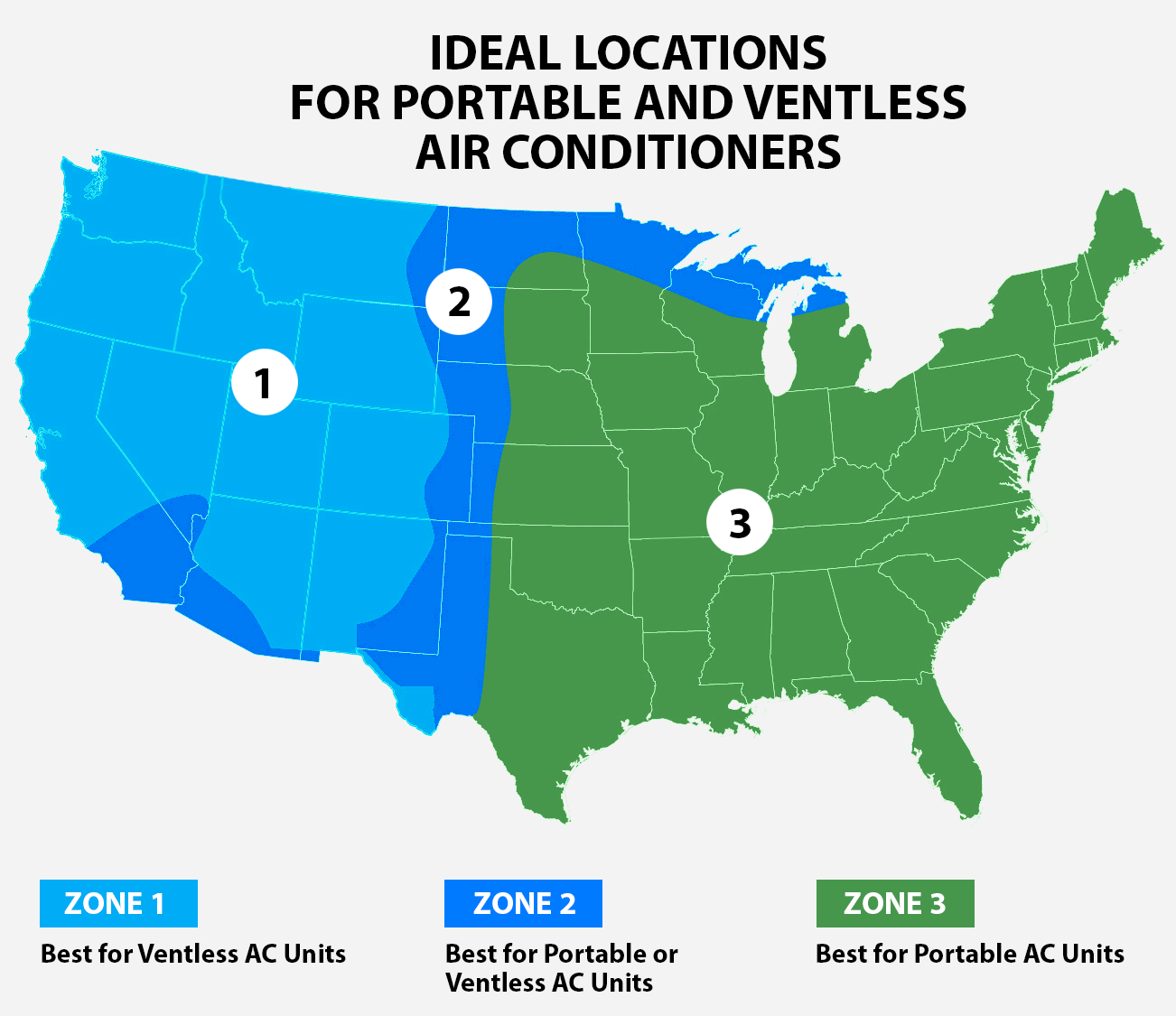
Swamp coolers work best in dry climates with low humidity. The dry air helps the water evaporate quickly, making the cooling more effective. In humid areas, the cooler adds too much moisture, which can feel uncomfortable. Therefore, these coolers suit places with hot, dry weather.
Energy Efficiency
Swamp coolers use much less electricity than traditional air conditioners. They only need power to run the fan and water pump. This makes them cheaper to operate and better for the environment. Using less energy means lower electric bills and a smaller carbon footprint.
How Air Conditioners Work
Air conditioners cool indoor spaces by removing heat and moisture from the air. They use a special process that changes a liquid refrigerant into a gas and back again. This process helps pull heat out of the room and release it outside. Understanding how air conditioners work helps you see why they are different from swamp coolers.
Refrigeration Cycle
The refrigeration cycle is the heart of an air conditioner. It starts with a liquid refrigerant in a coil inside the unit. The refrigerant absorbs heat from the indoor air and turns into a gas. This gas moves to the compressor, which squeezes it and raises its temperature. Next, the hot gas flows through the condenser coil outside. Here, it releases the heat and turns back into a liquid. The cycle then repeats, cooling the indoor air continuously.
Cooling Capacity
Cooling capacity shows how much heat an air conditioner can remove. It is measured in BTUs (British Thermal Units) per hour. Higher BTUs mean the unit can cool a larger room or space faster. Choosing the right capacity is important for comfort. Too small a unit will struggle to cool the room. Too large a unit will cool quickly but waste energy and create moisture problems.
Energy Consumption
Air conditioners use electricity to run the compressor and fans. Their energy consumption depends on size, efficiency, and usage. Modern units have energy ratings like SEER (Seasonal Energy Efficiency Ratio). Higher SEER ratings mean better efficiency and lower bills. Using a properly sized, efficient unit saves money. Regular maintenance, like cleaning filters, also helps reduce energy use.
Cost Comparison
Comparing costs helps decide between a swamp cooler and an air conditioner. Both have different prices for buying, installing, and running. Knowing these costs can guide the best choice for your budget.
Initial Purchase Price
Swamp coolers usually cost less than air conditioners. They have simpler parts and use fewer materials. Air conditioners cost more because they include compressors and refrigerants. The price gap can be large, especially for bigger units.
Installation Expenses
Installing a swamp cooler often costs less. They need basic vents and water hookups. Air conditioners require more complex work. They need electrical wiring, ductwork, and sometimes concrete pads. This makes the installation pricier and takes more time.
Ongoing Operating Costs
Swamp coolers use less electricity, which lowers energy bills. They mainly use a fan and water pump. Air conditioners use more electricity to cool air. They also need regular maintenance like cleaning and coolant refills. This raises their long-term costs.
Environmental Impact
Understanding the environmental impact of swamp coolers and air conditioners helps you make better choices. Each cooling method affects the planet differently. These effects cover energy use, water use, and the chemicals involved.
Energy Use And Emissions
Swamp coolers use less electricity than air conditioners. They work by evaporating water to cool the air. This process needs less power. Air conditioners run compressors that consume more energy. Higher energy use leads to more emissions from power plants. Using less energy means fewer greenhouse gases released.
Water Consumption
Swamp coolers need water to work well. They use water to cool the air through evaporation. This can be a problem in dry areas with limited water. Air conditioners do not use water for cooling. However, they require more energy, which can impact the environment indirectly. Water use by swamp coolers must be balanced with local water availability.
Refrigerants And Greenhouse Gases
Air conditioners use refrigerants to cool the air. Some refrigerants can harm the ozone layer and trap heat in the atmosphere. Newer models use safer refrigerants, but risks remain. Swamp coolers do not use harmful chemicals. This makes them a greener choice in terms of greenhouse gases. Choosing a cooling system affects the planet’s health over time.
Performance In Different Climates
Performance varies greatly between swamp coolers and air conditioners depending on the climate. Choosing the right cooling system depends on where you live. Understanding how each performs in different weather helps make a smart choice.
Effectiveness In Dry Areas
Swamp coolers work best in dry climates. They cool air by adding moisture, which lowers temperature. This process is very efficient where humidity is low. Air conditioners cool by removing heat but use more energy. In dry areas, swamp coolers save money and energy.
Performance In Humid Regions
Swamp coolers struggle in humid places. High moisture in the air limits their cooling effect. They cannot add much more moisture, so cooling is weak. Air conditioners remove humidity, making the air feel cooler. They perform well in humid climates by controlling moisture and temperature.
Adaptability To Temperature Variations
Air conditioners adapt better to temperature changes. They cool indoor air regardless of outside heat or humidity. Swamp coolers depend on outside air being dry and warm. Large temperature swings can reduce swamp cooler efficiency. Air conditioners provide consistent cooling in varied conditions.
Maintenance Requirements
Maintenance is a key factor when choosing between a swamp cooler and an air conditioner. Both systems need care to work well and last long. Understanding their maintenance needs helps you save money and avoid breakdowns.
Cleaning And Filter Replacement
Swamp coolers need regular cleaning. Water and dust can build up inside. You must clean the pads and water tank often. Replace the cooling pads each season for best results.
Air conditioners use filters to clean air. These filters collect dust and dirt. Change or clean filters every one to three months. Clean filters improve air flow and cool air better.
Repairs And Lifespan
Swamp coolers have fewer parts. Repairs are usually simple and less costly. They last about 10 to 15 years with good care.
Air conditioners have complex parts like compressors and fans. Repairs can be expensive. With regular service, they last 15 to 20 years.
Seasonal Upkeep
Swamp coolers work best in dry seasons. Drain water and clean the unit before winter. Cover or store it safely to avoid damage.
Air conditioners need less seasonal work. Check refrigerant levels and clean coils yearly. This keeps them running efficiently all year round.
Health And Comfort Factors

Choosing between a swamp cooler and an air conditioner affects health and comfort at home. Both devices cool the air but in very different ways. Understanding their impact on air quality, noise, and allergies helps make the right choice for your living space.
Air Quality And Humidity Control
Swamp coolers add moisture to the air, increasing humidity levels. This can be helpful in dry climates but uncomfortable in humid areas. Higher humidity might cause mold or mildew growth. Air conditioners remove moisture, keeping air dry and cool. This helps reduce the risk of mold and keeps rooms feeling fresher. Clean filters in both systems improve air quality by trapping dust and particles.
Noise Levels
Swamp coolers usually run quieter than traditional air conditioners. Their fans and water pumps create soft background sounds. Air conditioners often produce more noise due to compressors and motors. Loud noise can disturb sleep and daily activities. Choosing a quieter cooling option can improve overall comfort.
Allergy Considerations
Swamp coolers can spread pollen and dust if not cleaned regularly. This might worsen allergies for sensitive individuals. Air conditioners filter out many allergens, making indoor air cleaner. Regular maintenance of either system reduces allergy risks. People with allergies often prefer air conditioners for better relief.

Choosing The Right Cooler
Choosing the right cooler is important for your comfort and wallet. Both swamp coolers and air conditioners have pros and cons. Understanding your needs helps you decide which fits best.
Assessing Your Climate
Swamp coolers work well in dry climates. They add moisture to the air while cooling. In humid places, they are less effective and may feel uncomfortable.
Air conditioners cool by removing heat and moisture. They perform well in hot, humid areas. Consider your local weather before choosing.
Budget Constraints
Swamp coolers cost less to buy and run. They use less electricity, lowering your bills. Maintenance is simple and cheap too.
Air conditioners usually cost more upfront and use more power. Repairs can be expensive. Plan your budget carefully before deciding.
Space And Installation Options
Swamp coolers are often portable or rooftop mounted. They need proper ventilation to work well. Installation is easier and less costly.
Air conditioners require professional installation. They take up more space inside or outside your home. Consider your available space and setup needs.

Frequently Asked Questions
What Is The Main Difference Between Swamp Coolers And Air Conditioners?
Swamp coolers use evaporation to cool air, requiring less energy. Air conditioners use refrigerants to remove heat, offering precise temperature control. Swamp coolers work best in dry climates, while air conditioners are effective in all weather conditions.
Are Swamp Coolers More Energy Efficient Than Air Conditioners?
Yes, swamp coolers consume significantly less electricity than air conditioners. They rely on natural evaporation, reducing power use. This makes them cost-effective for cooling in dry environments but less efficient in humid areas.
Can Swamp Coolers Work In Humid Climates Effectively?
Swamp coolers are less effective in humid climates because evaporation slows down. They work best in dry, arid regions where the air is hot and dry. In humid areas, air conditioners provide better cooling performance.
How Does Maintenance Differ Between Swamp Coolers And Air Conditioners?
Swamp coolers require regular water refilling and pad replacement. Air conditioners need periodic filter cleaning and refrigerant checks. Both systems need maintenance, but swamp coolers generally have lower upkeep costs.
Conclusion
Swamp coolers and air conditioners both cool your home differently. Swamp coolers use water and work best in dry places. Air conditioners cool by removing heat and work well everywhere. Swamp coolers use less energy but need regular water refills.
Air conditioners cost more to run but cool more evenly. Choose based on your climate and budget. Both can make your home comfortable during hot days. Think about what fits your needs before deciding. Stay cool and enjoy your space.