
Last Updated on September 9, 2026
Are you tired of dealing with hard water problems like stains, dry skin, and clogged pipes? You might have heard about water softeners and water conditioners as solutions, but which one is right for you?
Understanding the difference between a water softener and a water conditioner can save you time, money, and frustration. You’ll discover how each system works and which one fits your needs best. Keep reading to find out how to protect your home and improve your water quality starting today.
What Causes Hard Water
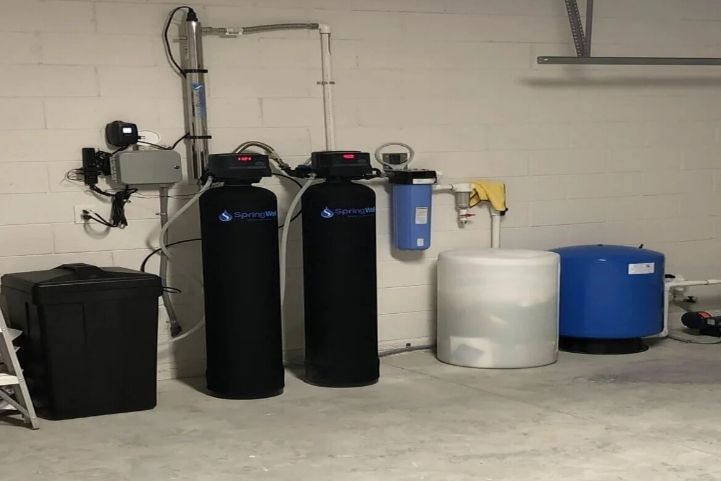
Hard water forms when water flows through rocks and soil. It picks up minerals like calcium and magnesium along the way. These minerals stay in the water and cause hardness. The harder the water, the more minerals it contains.
Water hardness varies depending on the local geology. Areas with limestone or chalk have harder water. Soft water has fewer minerals and feels smoother on the skin.
Common Minerals In Hard Water
Calcium is the main mineral in hard water. It comes from limestone and chalk deposits. Magnesium is the second common mineral. It comes from dolomite and other rocks.
These minerals dissolve easily in water. Their presence makes water taste different. They also cause white or grayish scale buildup on surfaces.
Effects On Plumbing And Appliances
Hard water causes scale buildup inside pipes. This reduces water flow and pressure. It also clogs faucets and showerheads over time.
Appliances like dishwashers and water heaters face problems too. Scale buildup lowers their efficiency and shortens their life. Cleaning and repairs become more frequent and costly.
Hard water also affects soap and detergent use. It reduces lather and cleaning power. Clothes may feel stiff and look dull after washing.
How Water Softeners Work
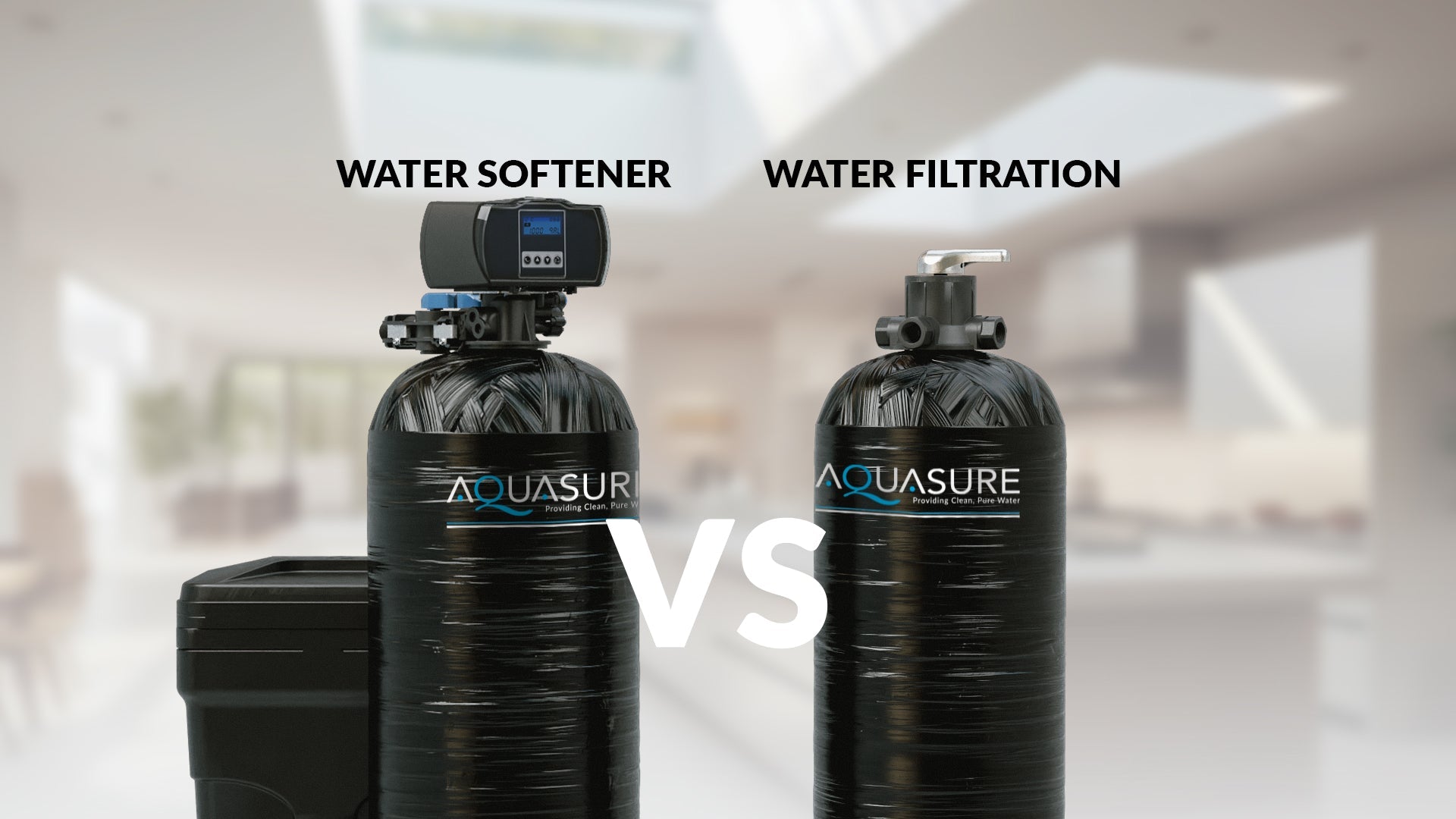
Water softeners help improve water quality by removing minerals that cause hardness. Hard water contains calcium and magnesium, which can harm pipes and reduce soap effectiveness. Water softeners change these minerals into softer substances. This process protects appliances and makes cleaning easier.
Ion Exchange Process
The ion exchange process is the main method water softeners use. Hard water passes through a tank filled with resin beads. These beads hold sodium or potassium ions. As hard water flows over the beads, calcium and magnesium ions swap places with sodium or potassium ions. This swap removes hardness from the water.
The soft water then flows out for use in your home. The beads eventually lose their sodium or potassium and must be cleaned. This cleaning is called regeneration and uses a salt solution to recharge the beads. The system repeats the process to keep soft water flowing.
Types Of Water Softeners
There are several types of water softeners to choose from. The most common is the salt-based softener. It uses the ion exchange process described above. Salt-based softeners are effective for very hard water.
Another type is the salt-free water softener. It does not remove minerals but changes their structure. This prevents minerals from sticking to pipes and appliances. Salt-free softeners need less maintenance but may not work for very hard water.
Magnetic and electronic water softeners claim to reduce hardness by altering mineral properties. Their effectiveness is debated and varies by water quality.
How Water Conditioners Work
Water conditioners change hard water without removing minerals. They alter how minerals behave, stopping scale buildup. These devices treat water in various ways, avoiding salt or chemicals.
Physical And Magnetic Methods
Some water conditioners use physical methods to treat water. They pass water through a special media or filter. This changes mineral structure, reducing scale deposits on pipes and appliances.
Magnetic water conditioners use magnets around the pipe. They change the electric charge of minerals. This prevents minerals from sticking together and forming scale.
Chemical-free Treatment Options
Water conditioners avoid adding chemicals to water. They focus on changing mineral properties naturally. This keeps minerals in water while stopping hard water problems.
These treatments require less maintenance than traditional softeners. They do not need salt or regular refills. This makes them an eco-friendly choice for many homes.
Benefits Of Water Softeners
Water softeners offer many benefits for homes with hard water. Hard water contains minerals like calcium and magnesium. These minerals cause problems in pipes, appliances, and even skin. A water softener changes these minerals to protect your home.
Using a water softener improves water quality and helps your appliances last longer. It also saves money on repairs and energy bills. Let’s explore these key benefits in detail.
Improved Water Quality
Water softeners reduce hardness minerals in water. This makes water feel smoother and cleaner. Soft water stops soap from forming scum on skin and hair. Clothes wash better and look brighter. Dishes and glassware come out spotless without spots or film.
Soft water also helps prevent scale buildup in pipes. This keeps water flowing well and avoids costly blockages. Drinking softened water can taste better, free from metallic flavors caused by minerals.
Extended Appliance Lifespan
Hard water minerals cause damage inside appliances. Water heaters, washing machines, and dishwashers suffer from scale buildup. This lowers their efficiency and leads to early breakdowns.
Water softeners prevent scale formation. Appliances run more smoothly and use less energy. This reduces wear and tear, extending their useful life. Homeowners spend less on repairs and replacements over time.
Soft water also helps plumbing systems last longer. Pipes stay clean and avoid corrosion caused by mineral deposits. This protects your entire home’s water system.
Benefits Of Water Conditioners
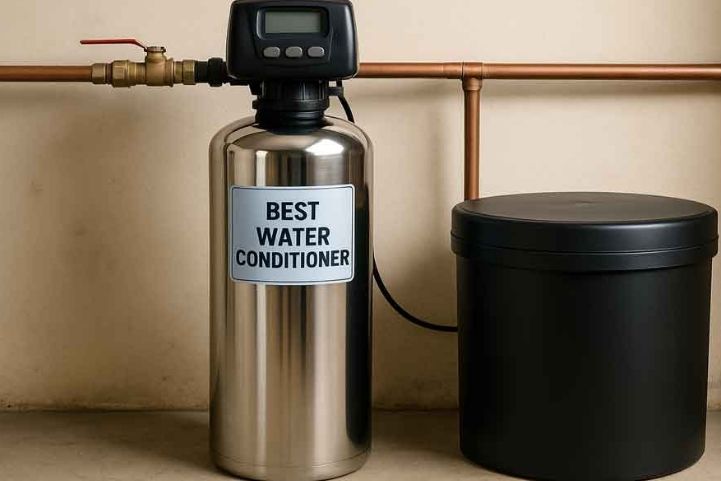
Water conditioners offer several benefits that improve your water quality without harsh chemicals. They treat water by changing mineral structure rather than removing minerals. This helps protect your plumbing and appliances.
Using a water conditioner can save money and reduce maintenance needs. The process is gentle on the environment and your home’s systems. Below are some key advantages of water conditioners.
Reduced Scale Buildup
Water conditioners reduce scale buildup in pipes and appliances. They change hard minerals so they do not stick to surfaces. This keeps pipes clear and appliances working efficiently for longer.
Less scale means fewer repairs and less energy use. Your water heater, dishwasher, and washing machine last longer. This also improves water flow and reduces clogs.
Eco-friendly Advantages
Water conditioners use no salt or chemicals. They do not waste water during the treatment process. This makes them better for the environment than traditional water softeners.
They reduce the need for harsh cleaning products and lower energy consumption. Using a water conditioner supports a cleaner and greener home. It helps conserve water and protects natural resources.
Limitations To Consider
Choosing between a water softener and a water conditioner means knowing their limits. Both systems help with hard water problems. Yet, each has its own set of challenges. Understanding these can help you decide which fits your home and needs best.
Water Softeners’ Potential Drawbacks
Water softeners use salt to remove minerals. This process can add sodium to your water. People on low-sodium diets may need to avoid softened water. Also, softeners require regular salt refills and maintenance. They can waste water during the cleaning cycle. Some local areas may restrict salt-based systems. Soft water may feel slippery or taste different to some users.
Water Conditioners’ Effectiveness Concerns
Water conditioners do not remove minerals. They change mineral structure to reduce scale buildup. This method may not work for all minerals or water types. Some conditioners only delay scale rather than prevent it. Effectiveness can vary based on water hardness and flow rate. These systems often require less maintenance but might not fully solve hard water issues. Results may be less noticeable compared to water softeners.
Cost Comparison
Cost matters a lot when choosing between a water softener and a water conditioner. Both systems help improve water quality but differ in price. Knowing the costs helps you pick the best option for your budget.
Costs come in two main parts: installation and ongoing expenses. Each system has unique needs that affect these costs.
Installation Expenses
Water softeners usually cost more to install. They need plumbing changes and a drain line. This adds to the labor and parts price. Softener units themselves are often pricier.
Water conditioners are simpler to install. Most use a small device that attaches directly to your pipe. This lowers labor costs and installation time. The unit price is often less than a softener.
Maintenance And Operating Costs
Water softeners need salt to work properly. Buying salt regularly adds to your monthly bills. They also require periodic cleaning and filter changes. These tasks may need professional help.
Water conditioners do not use salt. They need less maintenance overall. Some models have parts that last for years without service. This can save money on repairs and supplies.
Electricity use is low for both systems. However, softeners may use slightly more power because of their regeneration cycles.
Choosing The Right Option
Choosing between a water softener and a water conditioner can be confusing. Both improve water quality but work differently. Knowing your water needs helps you pick the best option.
Assessing Your Water Quality
Start by testing your water. Hard water has high levels of calcium and magnesium. These minerals cause scale buildup in pipes and appliances. A water softener removes these minerals. A water conditioner changes how minerals behave but does not remove them. Understanding hardness helps decide which system suits your home.
Considering Household Needs
Think about your daily water use. If your water damages appliances or leaves spots on dishes, a softener may help. For mild hard water, a conditioner can reduce scale without using salt. Also, consider maintenance and costs. Softeners need salt and regular upkeep. Conditioners require less maintenance but might not solve severe hardness.
Frequently Asked Questions
What Is The Main Difference Between Water Softener And Conditioner?
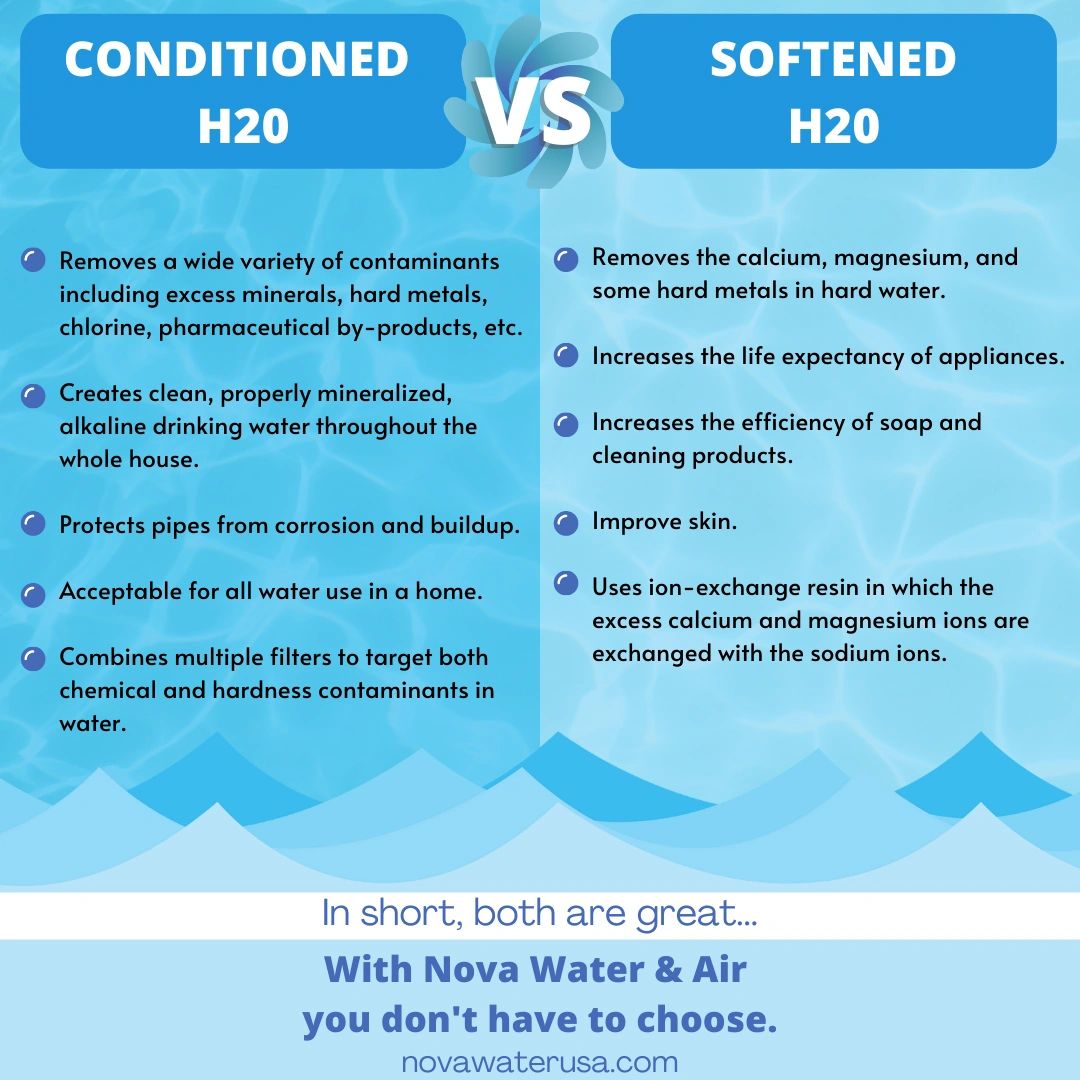
A water softener removes hardness minerals like calcium and magnesium. A water conditioner alters these minerals to reduce scale but doesn’t remove them. Softening prevents buildup, while conditioning reduces its effects without salt usage.
How Do Water Softeners Improve Water Quality?
Water softeners replace hardness minerals with sodium or potassium ions. This process prevents scale buildup in pipes and appliances. It improves soap efficiency and protects plumbing systems from damage caused by hard water.
Are Water Conditioners Better For The Environment?
Yes, water conditioners often use no salt or chemicals. They reduce water waste and avoid adding sodium to wastewater. This makes them eco-friendlier compared to traditional salt-based water softeners.
Can Water Conditioners Protect Plumbing Like Softeners?
Water conditioners reduce scale buildup but don’t fully prevent it. They extend plumbing life but are less effective than softeners in protecting pipes and appliances from hard water damage.
Conclusion
Choosing between a water softener and a water conditioner depends on your needs. Water softeners remove hard minerals completely. Water conditioners reduce scale but keep minerals in water. Both improve water quality in different ways. Consider your home’s plumbing and budget carefully.
Think about the water issues you face daily. Either option can help protect pipes and appliances. The right choice makes your water better and your life easier. Keep your water clean, safe, and comfortable to use. Simple steps lead to better water every day.