Last Updated on September 9, 2026
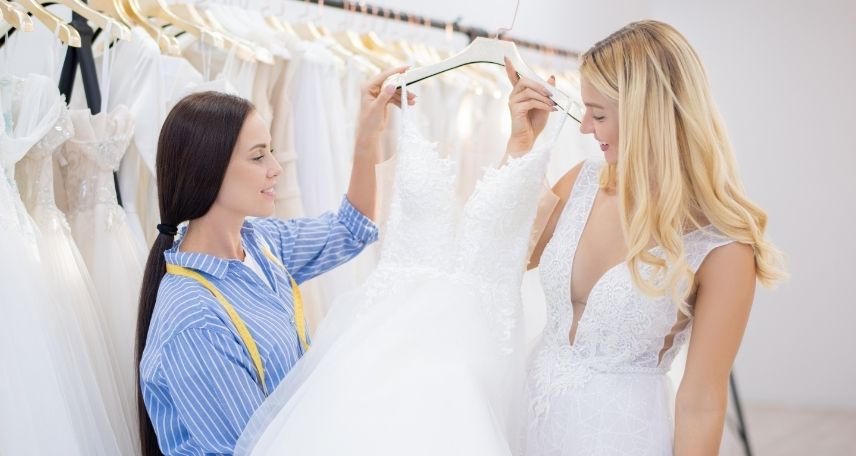
Planning your wedding is exciting, but it can also feel overwhelming—especially when it comes to choosing your perfect dress. One question you might be asking is, “How far in advance should I buy my wedding dress?” Buying too early or waiting too late can cause stress, extra costs, or even limit your options.
You’ll discover the ideal timeline to find the dress that makes you feel amazing on your big day. Keep reading to avoid common mistakes and make your dress shopping smooth and enjoyable.
When To Start Shopping
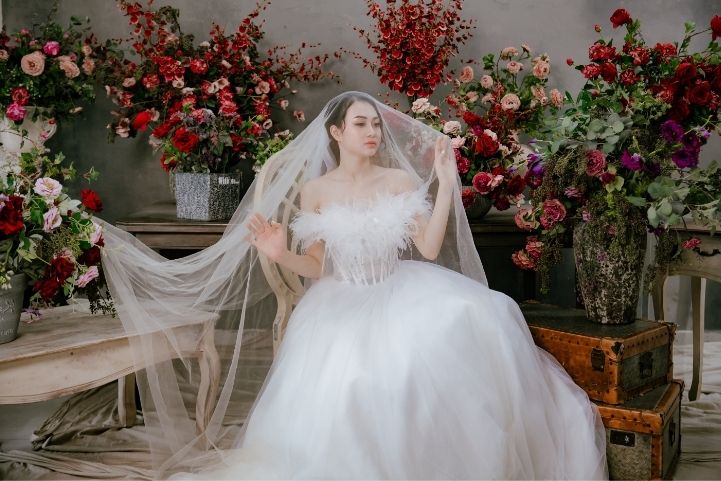
Choosing when to start shopping for your wedding dress can feel tricky. The right timing helps avoid stress and last-minute rushes. It also allows plenty of time for fittings and alterations.
Planning ahead means you can explore more styles and find the perfect dress. Starting early gives you room to consider your options carefully. Let’s look at ideal timeframes for different wedding dates and factors that influence your shopping timeline.
Ideal Timeframes For Different Wedding Dates
For weddings planned a year or more ahead, start shopping 10 to 12 months before the big day. This gives time for ordering and alterations.
If your wedding is 6 to 9 months away, begin dress shopping at least 6 months prior. Some designers need extra time for custom orders.
For weddings less than 6 months away, focus on ready-to-wear dresses. Start shopping 3 to 4 months before to allow time for fitting.
Factors Influencing Your Shopping Timeline
Custom dress designs take longer to make. Plan to order early to avoid delays.
Popular bridal shops may have busy seasons. Booking appointments early secures your spot.
Consider your budget. Some dresses require saving money over time before buying.
Season and location also matter. Off-season weddings might allow more flexibility in timing.
Custom Dresses Vs Off-the-rack
Choosing between a custom wedding dress and an off-the-rack gown is a key decision. Both options have unique features that affect your timeline and experience. Understanding the differences helps plan your purchase better. This section compares the order and alteration timelines and the pros and cons of each choice.
Order And Alteration Timelines
Custom dresses usually take longer to make. Designers need weeks or months to create a gown. After ordering, expect 4 to 8 months for production.
Alterations also take time. Multiple fittings may be needed to perfect the fit. Plan for at least 2 to 3 months of alterations.
Off-the-rack dresses are ready to buy immediately. You can try on and purchase the dress the same day.
Alterations for these dresses are quicker. Usually, 1 to 2 months is enough to adjust the fit.
Pros And Cons Of Each Option
Custom dresses offer a unique design. You get a gown made just for you. The fit is tailored perfectly to your body.
Custom gowns take more time and cost more money. The process can be stressful and requires patience.
Off-the-rack dresses are more affordable. They are easy to find and buy quickly. Many styles are available in stores.
These gowns may need more alterations to fit well. The design is not unique and may be worn by others.
Alteration Process And Timing
The alteration process is a key part of buying a wedding dress. It ensures the dress fits perfectly on your big day. Knowing the timing helps avoid last-minute stress. Alterations can take weeks, so starting early is smart.
Planning for alterations means booking fittings and making changes step by step. Each fitting brings the dress closer to your ideal fit. Understanding the typical steps helps you prepare and schedule properly.
Typical Alteration Steps
First, the seamstress measures your dress and body. They mark areas that need adjusting. Next, they take in or let out fabric for a better fit. Then, they adjust the hem length to match your shoes. Details like straps and sleeves get tailored too. Finally, the dress is steamed or pressed for a polished look. Each step takes time to do well.
Scheduling Final Fittings
Final fittings usually happen 2 to 4 weeks before the wedding. This timing allows last tweaks without rushing. Schedule at least two final fittings. The first checks overall fit and comfort. The second confirms all changes are perfect. Avoid waiting too long for final fittings. It leaves little room for fixes. Booking early helps secure your preferred tailor’s schedule.
Seasonal Considerations
Choosing the right time to buy a wedding dress depends on the season of your wedding. Different seasons affect dress availability and ordering times. Understanding these seasonal factors helps you plan better and avoid stress.
Seasonal trends also influence the styles and fabrics designers offer. Knowing these details ensures you get the dress you want on time.
Peak Wedding Seasons And Dress Availability
Spring and summer are the busiest wedding seasons. Many brides shop early to secure popular styles. Designers release new collections before these seasons.
Winter and fall weddings have fewer brides buying dresses. Dress availability can be better during these months. You might find more options in stores.
During peak seasons, dress delivery times can lengthen. Shops may have limited stock due to high demand. Early shopping is smart to avoid missing your dream dress.
How Season Affects Ordering Time
Ordering a dress in spring or summer requires more lead time. Popular styles sell fast, and tailors have full schedules. Plan to buy at least 9 to 12 months before the wedding.
For fall or winter weddings, you can often order 6 to 9 months ahead. Less demand means quicker production and shipping. This saves money and effort on rush fees.
Seasonal fabrics also affect ordering time. Heavy fabrics for winter take longer to source and tailor. Light materials for summer dresses are usually faster to deliver.
Tips For Stress-free Dress Shopping
Buying a wedding dress should be fun, not stressful. Planning helps you enjoy the experience. Being ready makes choosing easier and faster. Follow simple tips to stay calm and confident during your dress shopping.
Start early and prepare well. This reduces pressure and lets you explore more options. Keep an open mind and enjoy this special moment.
Booking Appointments Early
Schedule your dress appointments months before your wedding. Popular stores fill up fast. Early booking gives you more time and choice. It also helps avoid last-minute rush and stress.
Try to book weekday or morning slots. These times are usually less crowded. You get more attention from consultants and a relaxed shopping experience.
Preparing For Dress Shopping Trips
Make a list of styles you like before your trip. Bring pictures and notes for easy reference. Wear comfortable clothes and shoes that you can change out of quickly.
Limit who you bring. Too many opinions can confuse you. Choose two or three trusted friends or family members for honest advice.
Stay hydrated and have a snack beforehand. Shopping can take hours. Taking care of yourself helps keep energy and mood high.
Handling Last-minute Dress Purchases

Buying a wedding dress at the last minute can feel stressful. Time is short, but the perfect dress is still possible. Knowing your options helps reduce worry. Quick decisions and smart choices make the process smoother.
This section covers easy alteration options and alternative dress choices. Both ideas help brides find a great dress fast. Keep calm and read on for practical tips.
Quick Alteration Options
Many tailors offer fast alterations for wedding dresses. Simple changes like hemming or adjusting straps can be done in days. Choose a tailor who understands last-minute needs. Prioritize essential fixes only. Avoid complex changes that take too long.
Try to buy a dress closer to your size. This reduces the time needed for adjustments. Bring your shoes to the fitting for accurate length. Communicate clearly with your tailor about the deadline. This helps them plan the work efficiently.
Alternative Dress Choices
Consider dresses that need little or no alterations. Ready-to-wear gowns or off-the-rack options save time. Look for simple designs with flexible sizing. These dresses often come in popular sizes and styles.
Another option is renting a wedding dress. Rentals arrive ready to wear, cutting wait time. Also, explore dresses from other categories like evening gowns. With some creativity, these can work beautifully for weddings.
Frequently Asked Questions
How Early Should I Start Shopping For A Wedding Dress?
Start shopping 9 to 12 months before your wedding date. This gives enough time for ordering, alterations, and unexpected delays.
Can I Buy A Wedding Dress Closer To The Wedding Date?
Yes, but buying 3 to 6 months ahead is ideal. Last-minute shopping limits dress options and alteration time.
How Long Does Wedding Dress Alteration Usually Take?
Alterations typically take 1 to 3 months. Complex changes require more time, so plan accordingly to avoid stress.
Should I Consider Custom-made Dresses When Buying Early?
Yes, custom dresses need 6 to 9 months for design and production. Early buying ensures your dream dress fits perfectly.
Conclusion
Buying your wedding dress early helps reduce stress and ensures a perfect fit. Most brides start shopping six to nine months before the wedding day. This gives enough time for ordering, alterations, and any unexpected delays. Waiting too long can limit choices and rush the process.
Remember, your dress is a key part of your big day. Plan ahead and enjoy the experience without pressure. This way, you can focus on other wedding plans with peace of mind. Simple steps make the journey smoother and more joyful.