
Last Updated on September 9, 2026
Choosing the perfect pillow can change the way you sleep—and how you feel every morning. If you’ve ever wondered whether a memory foam pillow or a down pillow is better for you, you’re not alone.
Your pillow affects your neck, comfort, and even your energy levels. This guide will help you understand the key differences between these two popular pillows. By the end, you’ll know exactly which one suits your sleep style and needs. Ready to find your ideal pillow?
Let’s dive in.
Memory Foam Pillow Features
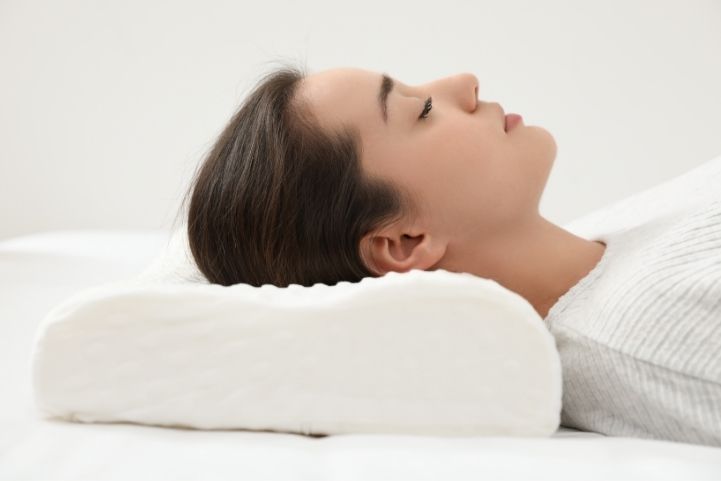
Memory foam pillows offer unique features that make them popular for many sleepers. They provide comfort and support in ways other pillows cannot. This section explores the key traits of memory foam pillows.
Understanding these features helps you decide if a memory foam pillow suits your needs.
Material Composition
Memory foam pillows are made from viscoelastic polyurethane foam. This material reacts to heat and pressure. It softens where your head and neck rest. The foam molds to your shape, offering personalized comfort. Many memory foam pillows include cooling gel layers. These help keep the pillow cooler during sleep.
Support And Firmness
Memory foam pillows provide strong support for your head and neck. They keep your spine aligned. The foam’s firmness varies by brand and model. Some are soft and contour gently. Others are firmer to prevent sinking too much. This support reduces neck pain and stiffness.
Heat Retention
Memory foam tends to trap heat more than other pillow types. This can make it feel warm during the night. Many newer pillows include cooling technology to reduce heat build-up. Ventilation holes and gel infusions help improve airflow. These features enhance comfort for warmer sleepers.
Durability And Lifespan
Memory foam pillows last longer than many traditional pillows. They resist flattening and keep their shape over time. High-quality foam can maintain support for several years. Proper care, like using pillow covers and airing out, extends lifespan. This makes memory foam pillows a good long-term investment.
Down Pillow Features
Down pillows are popular for their unique feel and comfort. They differ from other pillows mainly by the materials inside. These features affect how the pillow supports your head and neck during sleep.
Understanding down pillow features helps choose the right one for better rest. Here are key details about their composition, softness, breathability, and care.
Material Composition
Down pillows are filled with soft clusters from the undercoating of birds. Usually, these come from ducks or geese. The down is light and fluffy, creating a pillow that molds to your shape. Some pillows mix down with feathers for added support. The quality depends on the type and amount of down used.
Softness And Loft
Down pillows offer a plush, cloud-like softness. They have high loft, meaning they can be very thick and fluffy. This loft helps keep your head lifted and comfortable. Softness varies by the amount of down inside. More down means softer and fluffier, less down means firmer support.
Breathability
Down pillows breathe well because of the natural fibers. Air flows easily through the clusters, reducing heat buildup. This helps keep you cool during sleep. The breathability also prevents moisture from trapping inside. It creates a fresh and dry sleeping surface.
Durability And Care
Down pillows can last many years with proper care. They need regular fluffing to keep their shape. Washing should be gentle and follow label instructions. Using a pillow protector extends the pillow’s life. Proper care prevents clumping and keeps the pillow soft.
Comfort And Support Comparison
Choosing the right pillow impacts how well you sleep. Comfort and support are key factors. Memory foam and down pillows offer different benefits. This section compares their comfort and support to help you decide.
Pressure Relief
Memory foam pillows contour to your head and neck. They evenly spread your weight. This reduces pressure points and soreness. Down pillows are soft and plush but may not relieve pressure well. They can flatten under your head, causing discomfort over time.
Spinal Alignment
Memory foam supports natural spinal curves. It keeps your neck and spine aligned. This helps prevent stiffness and pain. Down pillows offer less firm support. They may cause your head to sink too deep. This can misalign your spine during sleep.
Sleeping Positions
Memory foam suits all sleeping positions. It adjusts to back, side, and stomach sleepers. Down pillows work best for stomach sleepers. Side sleepers may need extra support with down. Back sleepers might find memory foam more stable and supportive.
Allergy And Sensitivity Considerations
Choosing the right pillow affects more than comfort. Allergy and sensitivity concerns play a big role. Some pillows can trigger sneezing, itching, or worse. Knowing how memory foam and down pillows react to allergens helps you pick the best option.
Hypoallergenic Properties
Memory foam pillows resist dust mites and mold. Their dense structure blocks common allergens well. This makes memory foam a good choice for allergy sufferers. Down pillows contain natural feathers that can hold dust and mites. Some people react to the feathers themselves. Hypoallergenic down pillows exist but may cost more.
Cleaning And Maintenance
Memory foam pillows need gentle cleaning. They cannot be machine washed but can be spot cleaned. Air drying is important to avoid mold growth. Down pillows can be washed in a machine, but require careful drying. Wet feathers can develop mildew and odor. Regular fluffing helps keep down pillows fresh. Proper care extends pillow life and reduces allergens.
Temperature Regulation
Temperature regulation plays a big role in choosing the right pillow. It affects how comfortable you feel during sleep. Some pillows keep you warm, while others help you stay cool. Understanding this can improve your rest.
Heat Retention In Memory Foam
Memory foam pillows tend to hold heat. The dense material traps body warmth. This can make your head feel hot during the night. It might cause sweating or discomfort for some sleepers. People who sleep warm may find memory foam less ideal.
Cooling Effect Of Down
Down pillows allow better airflow. The natural feathers create spaces that help air move. This helps heat escape and keeps your head cool. Down is lighter and breathes more than foam. It is a good choice for those who get hot at night.
Cost And Value
Choosing between a memory foam pillow and a down pillow often comes down to cost and value. Both types offer comfort but differ in price and how long they last. Understanding these differences helps you make a smart purchase that fits your budget and needs.
Price Range
Memory foam pillows usually cost more upfront. Prices range from $30 to $100, depending on quality and brand. Down pillows start lower, often between $20 and $70. High-end down pillows can be more expensive, reaching $150 or more. The price reflects the materials used and pillow construction.
Longevity And Replacement
Memory foam pillows last longer than down pillows. They keep their shape and support for about 2 to 3 years. Down pillows tend to flatten and lose loft in 1 to 2 years. They need more frequent replacement to maintain comfort. Spending more on a memory foam pillow may save money over time.
Environmental Impact
The environmental impact of pillows is a growing concern for many buyers. Both memory foam and down pillows affect the planet differently. Understanding these differences can help make better choices. This section explores how each pillow type influences the environment.
Sustainability Of Materials
Memory foam is made from petroleum-based chemicals. These materials come from non-renewable resources. The extraction process harms ecosystems and uses lots of energy. On the other hand, down pillows use feathers from ducks or geese. Feathers are a natural byproduct of the poultry industry. But feather sourcing can raise animal welfare concerns. Some down is collected ethically, while other sources may not be. Choosing pillows with certified down can support better practices.
Manufacturing Processes
Memory foam production involves high heat and toxic chemicals. These can release harmful gases into the air. Factories often consume large amounts of electricity. Down pillow manufacturing requires cleaning and sterilizing feathers. This process uses water and energy but typically less than foam production. Both industries have carbon footprints, but memory foam tends to have a larger one. Recycling and using eco-friendly methods can help reduce these impacts.
Choosing The Right Pillow
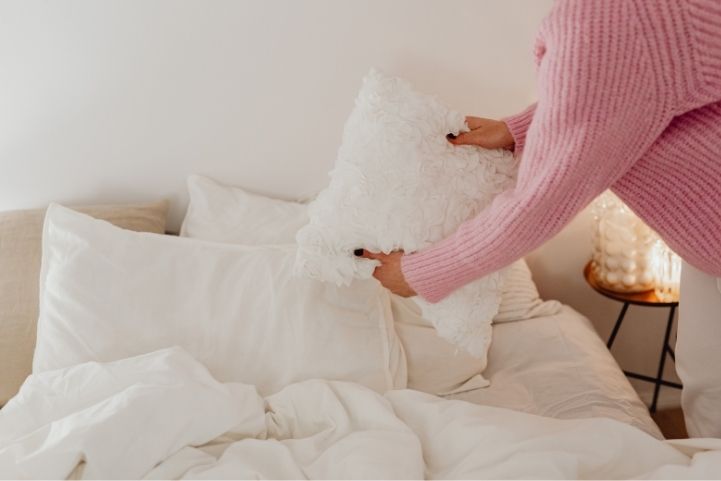
Choosing the right pillow can change your sleep quality a lot. The right pillow supports your head and neck. It helps keep your spine straight. This leads to better rest and less pain. Memory foam and down pillows are two popular choices. Each has unique features and benefits. Understanding your needs helps you pick the best one.
Think about what feels comfortable. Consider your health needs and budget. These points guide you to a pillow that suits you well.
Personal Preferences
Comfort is personal. Some like a soft, fluffy pillow. Others prefer firm, supportive feel. Down pillows are soft and light. They mold easily to your head. Memory foam pillows offer firmer support. They keep their shape and adjust to your pressure. Your sleep position matters too. Side sleepers may like thicker pillows. Back sleepers may want medium thickness. Stomach sleepers usually need thinner pillows.
Health Considerations
Think about allergies and pain issues. Down pillows can cause allergies for some. Dust mites and feathers may irritate sensitive skin. Memory foam pillows are hypoallergenic. They resist dust mites and mold. Neck or shoulder pain? Memory foam supports these areas well. It helps keep your spine aligned. Down pillows may not provide enough support for pain relief.
Budget Factors
Price matters for many buyers. Down pillows tend to cost more. High-quality down can be expensive. Memory foam pillows usually cost less. They last longer and keep their shape. Consider how often you replace pillows. A durable pillow may save money over time. Balance cost with comfort and health needs.
Frequently Asked Questions
What Are The Main Differences Between Memory Foam And Down Pillows?
Memory foam pillows contour to your head for support. Down pillows are soft and fluffy, filled with feathers. Memory foam offers firm support, while down provides a plush, lightweight feel. Your choice depends on comfort preference and sleep style.
Which Pillow Is Better For Neck And Spine Support?
Memory foam pillows are generally better for neck and spine alignment. They conform to your body’s shape, reducing pressure points. Down pillows lack firm support but offer softness. For neck pain, memory foam is the preferred option.
Are Memory Foam Pillows Hypoallergenic Compared To Down?
Memory foam pillows are often hypoallergenic and resist dust mites. Down pillows can trigger allergies due to feathers and dust. If you have allergies, memory foam is a safer, cleaner choice for your bedroom.
How Long Do Memory Foam And Down Pillows Typically Last?
Memory foam pillows usually last 2 to 3 years with proper care. Down pillows can last 3 to 5 years but may need regular fluffing. Longevity depends on usage, maintenance, and pillow quality.
Conclusion
Choosing between memory foam and down pillows depends on your needs. Memory foam offers firm support and shapes to your head. Down pillows feel soft and fluffy, ideal for light sleepers. Both have pros and cons for comfort and durability.
Think about allergies, sleep position, and budget before buying. A good pillow helps you rest well every night. Take time to find the pillow that fits you best. Sleep matters, so pick what feels right for you.