Last Updated on September 9, 2026
When was the last time you thought about replacing your mattress? You might be surprised to learn that the mattress you sleep on every night could be affecting your health, mood, and energy more than you realize.
But how often should you actually buy a new mattress? If you’re like most people, you probably don’t think about it until it’s too late. This guide will help you understand the signs to watch for and the ideal time to invest in a fresh mattress.
Keep reading—you deserve better sleep, and it starts with the right mattress at the right time.
Signs It’s Time To Replace Your Mattress

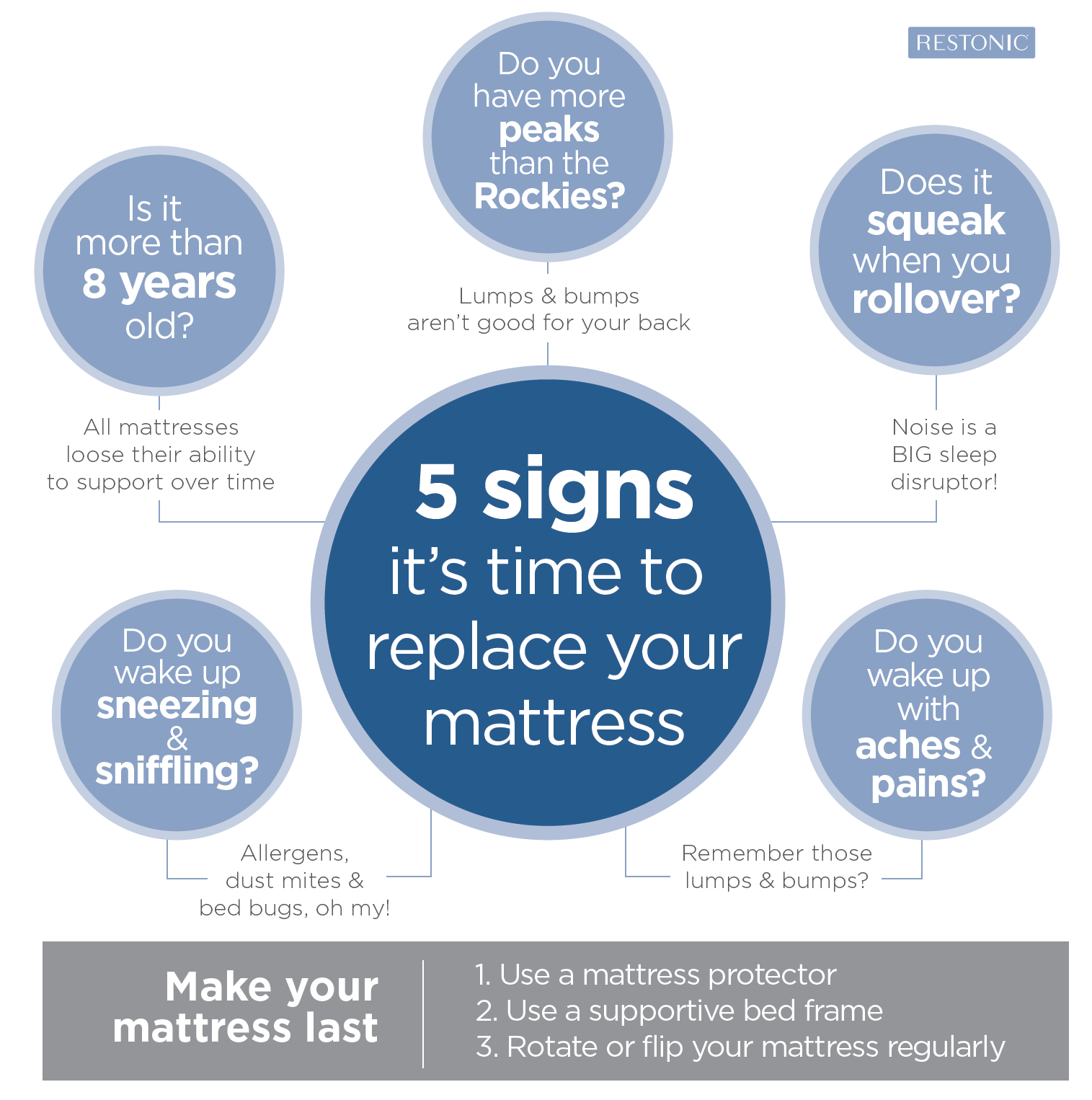
Knowing when to replace your mattress is important for good sleep. Mattresses wear out over time. They lose support and comfort. Sometimes, you may not notice right away. But certain signs tell you it is time to get a new one.
Visible Wear And Tear
Look closely at your mattress surface. Tears, rips, or stains are clear signs of wear. These damages can affect sleep quality. They also harbor dust and dirt. A worn mattress may not protect you well.
Increased Allergies And Asthma
Dust mites and allergens build up inside old mattresses. This can cause allergies or worsen asthma. Sneezing, coughing, or itchy skin may increase. A new mattress can help reduce these problems.
Waking Up With Aches And Pains
Waking up sore or stiff means poor mattress support. Your mattress should keep your body aligned. If it does not, muscles and joints suffer. A new mattress can ease morning pain and stiffness.
Sagging And Lumps
Sagging spots and lumps show mattress breakdown. These areas create uneven support. Your body will sink or feel pressure points. A sagging mattress can cause discomfort and poor rest.

Average Lifespan Of Different Mattress Types
Mattresses come in different types, each with a unique lifespan. Knowing how long each type lasts helps you decide when to buy a new one. Some mattresses wear out faster, while others stay comfortable for many years. Here is the average lifespan of popular mattress types.
Innerspring Mattresses
Innerspring mattresses usually last about 7 to 10 years. They have metal coils that can lose support over time. The top layers may also wear thin or sag. These mattresses are often affordable but may need replacing sooner.
Memory Foam Mattresses
Memory foam mattresses last roughly 8 to 12 years. They contour to your body, offering good support and pressure relief. Over time, foam can become softer and less responsive. High-density foam tends to last longer.
Latex Mattresses
Latex mattresses have one of the longest lifespans, around 10 to 15 years. Natural latex is durable and resists sagging well. These mattresses keep their shape and support for many years. They are a good choice for long-term use.
Hybrid Mattresses
Hybrid mattresses combine coils and foam or latex layers. Their lifespan is usually 8 to 12 years. The durability depends on the quality of both coils and foam. Proper care can help hybrids stay comfortable longer.
Factors That Affect Mattress Longevity
Several factors affect how long a mattress lasts. Knowing these helps decide when to buy a new one. Mattress longevity depends on material quality, usage, care, and weight support. Understanding these can save money and improve sleep quality.
Quality Of Materials
Mattresses made from high-quality materials last longer. Durable foam, strong springs, and sturdy fabrics resist wear and tear. Cheaper mattresses may lose shape and comfort quickly. Investing in good materials ensures better support and extended use.
Usage And Sleeping Habits
The way a mattress is used impacts its lifespan. Sleeping alone or with a partner changes pressure on the mattress. Frequent movement or rough use can cause faster wear. Mattresses used daily wear out faster than guest room mattresses.
Maintenance And Care
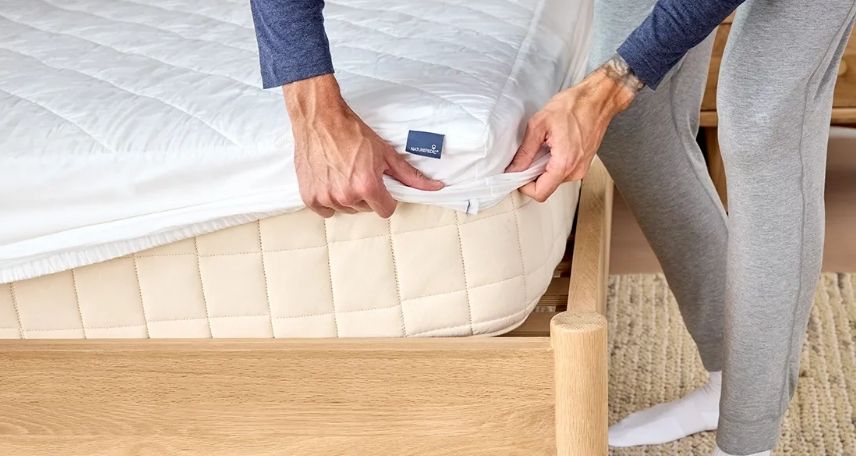
Regular care keeps a mattress in good shape. Flipping or rotating the mattress prevents sagging. Using a mattress protector guards against spills and stains. Cleaning the mattress surface removes dust and allergens that can damage it.
Weight Distribution
Body weight affects mattress wear and support. Heavier individuals may cause more pressure on certain areas. Uneven weight distribution leads to lumps and dips. Choosing a mattress designed for your weight type improves durability.
Health Impacts Of An Old Mattress
Using an old mattress can affect your health in many ways. Over time, mattresses lose their support and comfort. This can lead to problems that impact your sleep and body.
Understanding these health issues helps you decide when to replace your mattress. Here are some key problems caused by an old mattress.
Poor Sleep Quality
An old mattress often sags or feels lumpy. This makes it hard to find a comfortable sleeping position. Poor support causes tossing and turning at night. Lack of good sleep affects your energy and mood the next day. You wake up feeling tired, even after enough hours of sleep.
Allergen Buildup
Mattresses collect dust mites, dead skin cells, and other allergens. Over time, these allergens increase inside the mattress. This can trigger allergies or asthma symptoms. Sneezing, coughing, and itchy eyes are common signs. A clean, new mattress reduces allergen buildup and helps breathing during sleep.
Back And Joint Problems
Old mattresses lose their ability to support your body evenly. This causes strain on your back, hips, and shoulders. Pain and stiffness are common after waking up. Poor mattress support can worsen existing back or joint problems. A firmer, newer mattress helps keep your spine aligned and reduces pain.
Tips To Extend Mattress Life
Extending the life of your mattress saves money and keeps your sleep comfortable. Small actions help your mattress stay fresh and supportive. These simple tips protect your investment and improve sleep quality.
Regular Cleaning
Cleaning your mattress removes dust, dirt, and allergens. Use a vacuum cleaner with a soft brush attachment. Vacuum the mattress surface every few months. Spot clean stains with mild soap and water. Avoid soaking the mattress to prevent mold growth.
Using A Mattress Protector
A mattress protector guards against spills, stains, and dust mites. Choose a waterproof, breathable protector for best results. Wash the protector regularly to maintain cleanliness. This extra layer helps keep your mattress in good shape longer.
Rotating And Flipping
Rotate your mattress 180 degrees every three to six months. This evens out wear and prevents sagging. Some mattresses also allow flipping. Check the manufacturer’s instructions before flipping. Regular rotation keeps your mattress firm and comfortable.
Proper Bed Frame Support
Use a sturdy bed frame to support your mattress. Slats should be close together and strong. Avoid placing your mattress directly on the floor. Good support prevents sagging and damage. A solid frame helps your mattress last longer.
When To Upgrade For Better Sleep
Knowing when to upgrade your mattress helps improve your sleep quality. Your mattress affects how rested you feel every day. A worn-out mattress can cause discomfort and restless nights.
Several signs show it is time for a new mattress. Some changes happen slowly, others suddenly. Pay attention to how your body feels each morning.
Changes In Sleep Preferences
People often change how they like to sleep over time. You may prefer a firmer or softer mattress now. Your sleep position might shift from back to side or stomach. A mattress that suited you before might not work now. Upgrading helps match your current sleep needs better.
Lifestyle And Health Changes
Health issues like back pain or allergies can affect sleep comfort. Pregnancy or weight changes also impact mattress comfort. A mattress with better support or hypoallergenic materials can help. Upgrading supports your body and health changes well.
Technological Advances In Mattresses
Mattress technology improves every few years. New designs offer better support and cooling features. Memory foam and hybrid mattresses often improve sleep quality. An upgrade can provide comfort and durability you did not have before.
Choosing The Right Time To Buy

Choosing the right time to buy a new mattress can save money and reduce stress. It also ensures you get the best quality for your needs. Timing helps you avoid rushed decisions and poor purchases. Knowing when to shop helps you plan and prepare better for this important buy.
Seasonal Sales And Discounts
Many stores offer big discounts during specific seasons. Holidays like Presidents Day, Memorial Day, and Black Friday often have lower prices. Shopping during these times can lead to significant savings. Some brands offer clearance sales when new models arrive. Watching for sales lets you buy a mattress at a better price.
Personal Budget Considerations
Set a budget before shopping for a mattress. Knowing your limit helps narrow down choices. A higher price does not always mean better comfort. Look for value and quality within your budget. Waiting until you save enough money avoids financial stress.
Trial Periods And Return Policies
Many mattress companies offer trial periods. These let you test the mattress at home for a set time. If it does not feel right, you can return it. Check the length of the trial and return rules. This reduces risk and gives peace of mind.

Frequently Asked Questions
How Often Should You Replace Your Mattress?
Most experts recommend replacing your mattress every 7 to 10 years. This timeframe ensures optimal comfort and support. Over time, mattresses lose their ability to provide proper spinal alignment. Regular replacement can improve sleep quality and reduce aches.
What Signs Indicate It’s Time For A New Mattress?
Look for sagging, lumps, or discomfort while sleeping. Increased allergies or waking up with pain also signal replacement. If your mattress no longer supports your body well, it’s time to buy a new one. These signs affect sleep quality and health.
Can Mattress Age Affect Sleep Quality?
Yes, an old mattress can cause poor sleep quality. Worn-out mattresses lose support and comfort, leading to restless nights. They can also increase pressure points and reduce spinal alignment. Upgrading your mattress can improve rest and overall health.
Does Mattress Type Affect Its Lifespan?
Yes, mattress lifespan varies by type. Memory foam typically lasts 7-10 years, while innerspring mattresses last about 8 years. Latex mattresses can last longer, sometimes up to 12 years. Choose a mattress type based on durability and your comfort needs.
Conclusion
A mattress usually lasts about 7 to 10 years. Signs like discomfort or sagging tell you it’s time to buy new. Sleeping well helps your health and mood. Choose a mattress that fits your needs and budget. Check it regularly to keep your sleep quality high.
A good mattress supports restful nights and bright days. Don’t wait too long to replace it. Your body will thank you for a fresh, supportive mattress. Sleep well, feel better every day.