
Last Updated on September 9, 2026
Choosing the right office chair might seem simple, but it can make a huge difference in your comfort and productivity. You spend hours sitting, so why settle for a chair that leaves you tired or sore?
The right chair supports your body, boosts your focus, and even improves your mood. You’ll discover easy tips to find a chair that fits your needs perfectly. Keep reading to learn how to make a choice that keeps you comfortable all day long.
Key Features To Look For
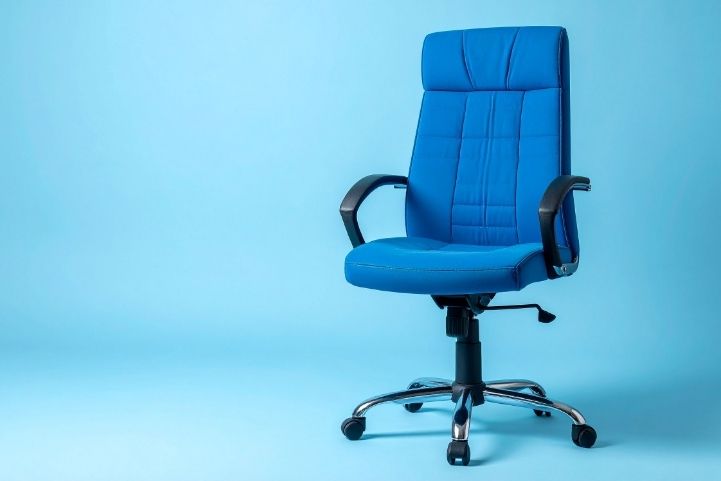
Choosing the right office chair starts with knowing what features matter most. These features affect comfort, health, and work efficiency. Focus on key elements that support your body and fit your workspace. Below are the most important features to consider.
Ergonomic Design
An ergonomic chair supports your natural body shape. It helps reduce back pain and muscle strain. Look for chairs with lumbar support that fits your lower back. A chair with a curved backrest encourages good posture. Ergonomic designs keep you comfortable during long work hours.
Adjustability Options
Adjustability lets you customize the chair to your body. Seat height, armrests, and backrest tilt are important. Adjustable height ensures your feet rest flat on the floor. Moving armrests help reduce shoulder tension. A tilt function allows you to lean back and relax.
Material And Build Quality
Good materials increase durability and comfort. Breathable fabrics or mesh keep you cool. Leather or vinyl may look nice but can trap heat. Strong frames made of metal or hard plastic last longer. Check for smooth wheels and sturdy bases for stability.
Weight Capacity
Weight capacity shows how much the chair can hold safely. Choose a chair that fits your body weight. Chairs with higher weight limits tend to be more durable. Using a chair beyond its capacity can cause damage and injury. Always check this feature before buying.
Matching Chair To Work Style
Choosing the right office chair depends on how you work. Your tasks and daily activities shape the best chair for you. Matching your chair to your work style improves comfort and productivity.
Different jobs need different support. Some work requires long sitting hours, others need movement or quick changes in posture. Understanding your work style helps you pick a chair that fits your needs.
For Desk Work
Desk work needs a chair with strong back support. Look for adjustable height and lumbar support. It helps keep your spine healthy during long hours. A chair with armrests reduces shoulder strain. Choose one with a comfortable seat cushion for all-day sitting.
For Creative Tasks
Creative work needs flexibility and freedom of movement. A chair with swivel and tilt functions works well. It allows you to change positions easily. Choose a lightweight chair that moves smoothly. Breathable fabric keeps you cool during intense work sessions.
For Meetings And Collaboration
Chairs for meetings should be easy to move and share. Stackable or lightweight chairs work best. They help keep the space open and flexible. A simple design with a comfortable seat is enough. Look for chairs that encourage good posture without being too formal.
Comfort And Support Factors
Choosing an office chair is not just about style. Comfort and support matter a lot. Sitting for long hours needs the right chair to protect your back and body. A good chair helps you stay focused and reduces aches. Pay attention to these key comfort and support factors.
Lumbar Support
Your lower back needs support to keep its natural curve. Lumbar support helps avoid slouching and back pain. Look for chairs with adjustable lumbar support. This feature lets you move it up or down to fit your spine. Proper lumbar support reduces strain and improves posture.
Seat Cushioning
The seat should feel soft but firm. Too hard can cause pressure points. Too soft can make you sink and lose support. Choose chairs with high-density foam or memory foam cushions. These materials give comfort and keep their shape over time. A well-cushioned seat helps you sit longer without discomfort.
Armrest Positioning
Armrests support your arms and shoulders. They reduce tension in your neck and upper back. Adjustable armrests are best. You can change their height and width to fit your body. Make sure your elbows rest comfortably at a 90-degree angle. Proper armrest positioning prevents strain and helps maintain good posture.
Breathability
Breathable materials keep air flowing around your body. This prevents sweating and discomfort. Mesh backs are popular for breathability. Fabric with ventilation holes also works well. Breathable chairs help you stay cool and comfortable during long work hours. This feature is important in warm offices or homes.
Size And Space Considerations
Choosing the right office chair means thinking about size and space. The chair should fit well in your work area without crowding it. A chair too big can block movement. A chair too small may not offer enough support. Measuring your space and understanding chair dimensions help find the best match. Consider how the chair moves and fits around your desk.
Chair Dimensions
Check the height, width, and depth of the chair. Make sure the seat height matches your desk height. The chair should support your back fully. Seat width must allow comfortable sitting without feeling tight. Depth affects how much leg support you get. Choose a chair size that fits your body and workspace.
Office Space Layout
Look at your office layout before picking a chair. Measure the space around your desk carefully. Leave enough room to move the chair freely. Consider other furniture that shares the space. A crowded layout needs a compact chair. Open spaces can fit larger, more cushioned chairs. Plan your space to keep comfort and movement easy.
Mobility And Swivel Features
Chairs with wheels improve movement around your workspace. Swivel seats allow reaching different areas without strain. These features add convenience and reduce effort. Check if the wheels suit your floor type. Swivel and mobility work best in tight or shared spaces. Test the chair’s movement before buying to ensure smooth use.
Budgeting Your Purchase
Setting a budget helps make choosing an office chair easier. It defines how much you want to spend. A clear budget prevents overspending. It also helps you focus on chairs within your price range. Knowing your budget early saves time and effort.
Price Ranges
Office chairs come in many price ranges. Budget chairs cost between $50 and $150. These offer basic comfort and design. Mid-range chairs usually fall between $150 and $400. They provide better materials and more adjustments. High-end chairs start at $400 and can go above $1,000. These offer premium features and durability.
Balancing Cost And Quality
Price does not always show quality. A cheap chair might break quickly. An expensive chair might have features you don’t need. Look for chairs with good support and comfort. Check customer reviews to see real-life quality. Choose a chair that fits your body and work style. Balance your budget with long-term use and comfort.
Warranty And Return Policies
Warranty and return policies protect your purchase. A longer warranty means the company trusts its product. Most office chairs have warranties from one to ten years. Read the warranty details carefully. Know what parts are covered. Return policies vary by seller. Choose stores with easy returns. This helps if the chair is uncomfortable or defective.
Testing And Buying Tips
Choosing the right office chair needs careful testing and smart buying. A chair must feel good and support your body well. Testing chairs before buying helps avoid discomfort and poor posture. Knowing where and how to buy can save money and time.
Trying Chairs In Store
Testing chairs in a store gives a real feel of comfort. Sit for at least 10 minutes to check support and cushioning. Adjust the height and tilt to see if it fits your body. Walk around to test stability and ease of movement. Notice the armrests; they should not press your arms too hard. Trying chairs helps find one that suits your work style.
Reading Reviews
Reviews reveal user experiences with office chairs. Look for comments about comfort during long hours. Check for issues like squeaking or hard-to-use adjustments. Pay attention to durability and material quality mentioned by users. Reading many reviews gives a balanced view of pros and cons. Avoid chairs with many negative feedbacks on comfort or build.
Online Vs In-store Buying
Buying in-store offers immediate testing and quick take-home. You can see the chair’s real color and material. Online shopping has more variety and often better prices. Look for sites with good return policies and free shipping. Reading product descriptions and reviews is key online. Choose the option that fits your budget and convenience best.
Frequently Asked Questions
What Features Should I Look For In An Office Chair?
Look for adjustable height, lumbar support, seat depth, and armrests. These features ensure comfort and promote good posture during long work hours.
How Important Is Lumbar Support In An Office Chair?
Lumbar support maintains the natural curve of your lower spine. It reduces back pain and prevents slouching, improving overall comfort and spinal health.
What Material Is Best For An Office Chair Seat?
Breathable mesh offers good airflow, while padded fabric provides softness. Leather looks professional but may cause sweating. Choose based on comfort and office environment.
How Do I Know If An Office Chair Fits Me?
Your feet should rest flat on the floor, knees at 90 degrees. Adjust the chair height and seat depth to support proper posture.
Conclusion
Choosing the right office chair improves comfort and boosts focus. Consider your body size, desk height, and chair features carefully. A good chair supports your back and promotes better posture. Test different chairs to find what feels best for you.
Don’t rush the decision; comfort matters every day. A well-chosen chair helps reduce pain and fatigue. Spend time selecting one that fits your needs well. Your work will feel easier and more productive. Keep these tips in mind to make a smart choice.