Last Updated on August 3, 2026
You’ve just finished a craft project, and everything looks perfect—except for one thing: sticky glue residue left behind. It’s frustrating, isn’t it?
That stubborn mess can ruin your work and make cleanup a nightmare. But don’t worry, you’re not alone, and there are simple, effective ways to get rid of that glue without damaging your project. Keep reading, and you’ll discover easy tricks that will save your craft and your sanity every time.
Common Types Of Glue Residue
Glue residue can be tough to remove from craft projects. Different glues leave different kinds of residue. Knowing the type of glue helps in choosing the best removal method. Below are some common types of glue residue you might find.
White Glue
White glue leaves a sticky, sometimes cloudy residue. It is water-based and often softens with moisture. This residue is easier to remove than other types. It may become hard and crusty when dry.
Hot Glue
Hot glue residue is thick and rubbery. It cools quickly and sticks firmly to surfaces. This residue can peel off but may leave behind small bits. It may require gentle scraping or heat to remove fully.
Super Glue
Super glue residue is very hard and clear. It bonds tightly and dries fast. Removing this residue usually needs special solvents. It can damage some surfaces if scraped too hard.
Spray Adhesives
Spray adhesive leaves a thin, tacky film. It may feel sticky or oily to the touch. This residue spreads over large areas. It often needs a solvent or strong cleaning agent to remove.
Tools And Materials Needed
Removing glue residue from craft projects needs the right tools and materials. Using proper items makes the process easier and safer. Choose the best supplies based on the type of glue and the surface.
Household Items
Common items can often remove glue residue effectively. Rubbing alcohol or nail polish remover breaks down sticky glue. Warm soapy water softens glue for easy scraping. Cooking oil or peanut butter helps loosen stubborn glue spots. Cotton balls, soft cloths, and old toothbrushes assist in gentle cleaning.
Specialized Cleaners
Some glue types need special cleaners. Goo Gone and adhesive removers target tough glue marks. These products dissolve glue without damaging surfaces. Always follow the instructions carefully for best results. Test a small area first to avoid damage.
Safety Gear
Safety is important when removing glue residue. Wear gloves to protect your skin from chemicals. Use eye protection to avoid splashes or irritation. Work in a well-ventilated area to reduce inhaling fumes. Keep cleaning products away from children and pets.
Removing Glue From Different Surfaces
Removing glue residue can be tricky because different surfaces react differently. Knowing the right method for each surface helps keep your craft project safe and clean. Some surfaces are delicate, while others can handle stronger cleaning agents. This guide explains how to remove glue from paper, fabric, plastic, and wood.
Paper And Cardboard
Paper and cardboard are fragile. Use a soft eraser to gently rub off dried glue. Avoid water, as it can warp the paper. For stubborn glue, try freezing the item. The glue becomes brittle and easier to peel off. Always test a small spot first to avoid damage.
Fabric And Textiles
For fabric, scrape off excess glue with a dull knife. Soak the area in cold water to soften the glue. Use mild soap and gently rub the spot. Avoid hot water; it can set the glue. For tough glue, try rubbing alcohol on a cloth. Blot carefully to lift the residue without spreading it.
Plastic And Acrylic
Plastic and acrylic resist water well. Use warm, soapy water and a soft cloth to clean glue. For sticky spots, apply rubbing alcohol or vinegar. Let it sit a few minutes, then wipe gently. Avoid sharp tools that might scratch the surface. Always dry the area after cleaning.
Wood And Painted Surfaces
Wood and painted surfaces need gentle care. Use a soft cloth with warm soapy water first. If glue remains, try a small amount of vinegar on a cloth. Rub lightly to avoid removing paint. Do not soak wood. Dry immediately to prevent damage. Sanding is a last option for unfinished wood only.
Step-by-step Removal Techniques
Removing glue residue from craft projects can be tricky but manageable. Different types of glue may need different approaches. Use careful steps to avoid damaging your project. Below are simple techniques to clean off glue effectively.
Soaking And Peeling
Start by soaking the glued area in warm water. This softens the glue and makes it easier to peel. Use a soft cloth or your fingers to lift the softened glue gently. Avoid using sharp tools to prevent scratches. Repeat soaking if the glue is stubborn. Patience helps in this method.
Using Heat
Heat can loosen glue residue effectively. Use a hairdryer or heat gun on low heat settings. Warm the glue for a minute or two. The heat softens the adhesive, making it easier to wipe away. Use a cloth to rub the residue gently. Be careful not to overheat and damage the surface.
Applying Solvents
Certain solvents break down glue residue. Rubbing alcohol or nail polish remover works well on many glues. Apply a small amount to a cotton ball or cloth. Dab the glue gently and wait a few minutes. Wipe the area clean with a fresh cloth. Test solvents on a hidden spot first to avoid damage.
Scraping And Buffing
For stubborn glue, use scraping carefully. Use a plastic scraper or old credit card. Scrape gently to lift the residue without scratching. Follow scraping with buffing using a soft cloth. Buffing helps remove leftover bits and smooths the surface. This step works best after other methods soften the glue.
Preventing Glue Residue In Future Projects
Preventing glue residue is easier than removing it later. A few simple steps help keep your craft projects clean. Small habits make a big difference in avoiding sticky messes.
Choosing The Right Adhesive
Select glue based on your project materials. Some glues dry clear and leave little residue. Avoid using too much adhesive at once. Glue sticks and tape often cause less mess than liquid glue.
Using Protective Barriers
Place wax paper or plastic sheets under your work. Use painter’s tape to cover areas you want to keep clean. These barriers catch glue drips and spills. Removing barriers is easier than cleaning dried glue.
Cleaning Tips During Crafting
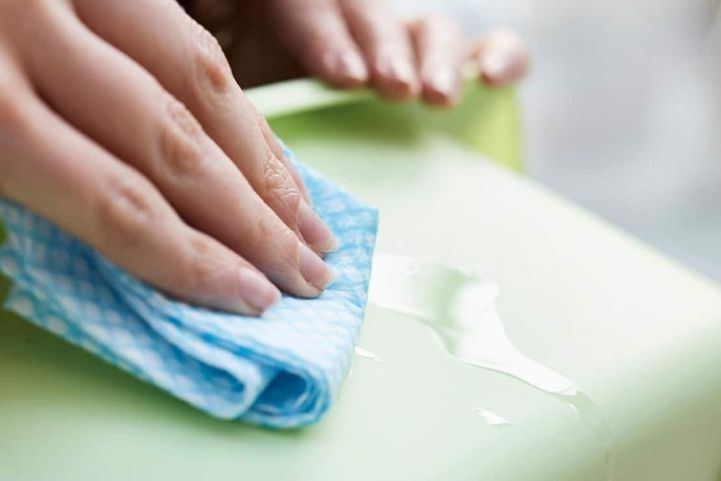
Wipe glue spills immediately with a damp cloth. Keep paper towels nearby for quick cleanup. Avoid letting glue dry on your hands or tools. Regular cleaning stops residue buildup and saves time.
Troubleshooting Stubborn Residue
Glue residue can be tough to remove, especially after craft projects. Sometimes, it just won’t come off with basic cleaning. Stubborn glue needs more care and the right methods. This section helps you deal with tough glue residue safely and effectively.
When Glue Won’t Budge
Start by softening the glue. Use warm, soapy water and let it sit for a few minutes. Gently scrape with a plastic tool or your fingernail. Avoid metal tools that can scratch surfaces. If the residue stays, try a small amount of rubbing alcohol or nail polish remover. Test on a hidden spot first to avoid damage.
Avoiding Surface Damage
Always be gentle when removing glue. Harsh scrubbing can ruin paint or finish. Use soft cloths or sponges. Avoid strong chemicals on delicate materials like fabric or wood. Work slowly and check progress often. Protect your work area with a cloth or paper towel to catch drips.
Alternatives To Try
Try natural options like vinegar or coconut oil. They break down glue without harsh chemicals. Apply and let sit for a few minutes, then wipe away. For really tough spots, use a commercial adhesive remover made for crafts. Follow the label instructions carefully. Remember, patience is key to avoid damage.
Frequently Asked Questions
How Can I Safely Remove Glue Residue From Paper Crafts?
Use a soft cloth dampened with warm, soapy water to gently rub the residue. Avoid harsh scrubbing to prevent damage. For stubborn glue, try using a small amount of rubbing alcohol on a cotton swab.
What Household Items Remove Glue Residue Effectively?
Common items like vinegar, rubbing alcohol, and baking soda work well. Apply them carefully with a cloth or cotton swab, then wipe away the residue. Always test on a small area first to avoid damage.
Is It Safe To Use Acetone On Craft Materials?
Acetone can remove glue residue but may damage some materials. Test a small hidden area first. Avoid acetone on plastics, painted surfaces, or delicate fabrics to prevent discoloration or melting.
How Do I Remove Glue Residue From Fabric Without Stains?
Use a mixture of cold water and mild detergent to blot the residue gently. For tougher glue, apply rubbing alcohol sparingly and rinse thoroughly. Avoid heat until the glue is fully removed.
Conclusion
Removing glue residue does not have to be hard or messy. Use gentle methods first to protect your craft. Test any cleaner on a small spot before applying it widely. Take your time and be patient with the process. Clean surfaces look better and help your projects last longer.
Keep these tips in mind for future crafting. Enjoy creating without worrying about sticky leftovers. Your crafts will shine with just a little care.