Last Updated on August 3, 2026
Are you looking to add a special touch to your projects but feel overwhelmed by the many types of craft paper out there? Understanding the different kinds of craft paper can make a big difference in how your creations turn out.
Whether you’re wrapping gifts, making cards, or starting a new DIY project, choosing the right paper is key. You’ll discover the unique qualities of each type of craft paper and learn which one fits your needs best. Keep reading, and you’ll soon feel confident picking the perfect paper for every project.
Common Craft Paper Varieties
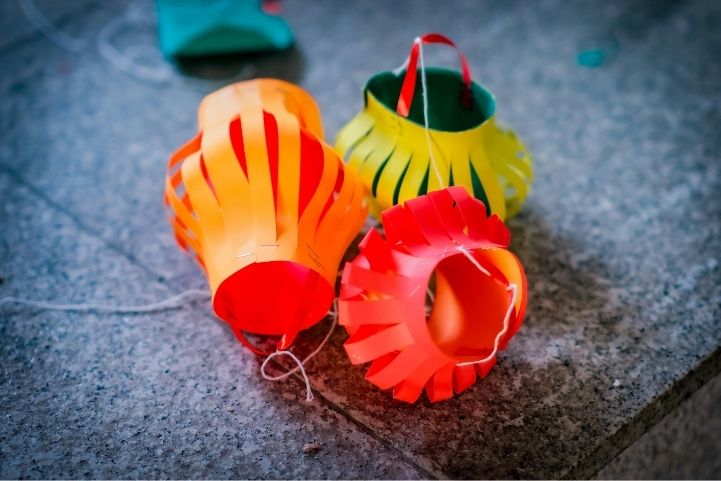
Craft paper comes in many types. Each type serves a special purpose. Knowing the common varieties helps choose the right paper for your project. These papers differ in texture, thickness, and color.
Some craft papers are thick and sturdy. Others are thin and colorful. Each has unique qualities that suit different crafts. Here are some common craft paper varieties you should know about.
Kraft Paper
Kraft paper is strong and brown. It is made from wood pulp. This paper is often used for packaging and wrapping. It is durable and has a rough texture. Kraft paper is eco-friendly and recyclable.
Construction Paper
Construction paper is bright and colorful. It is thick but easy to cut. Kids use it for school projects and crafts. This paper comes in many colors. It holds paint and glue well.
Origami Paper
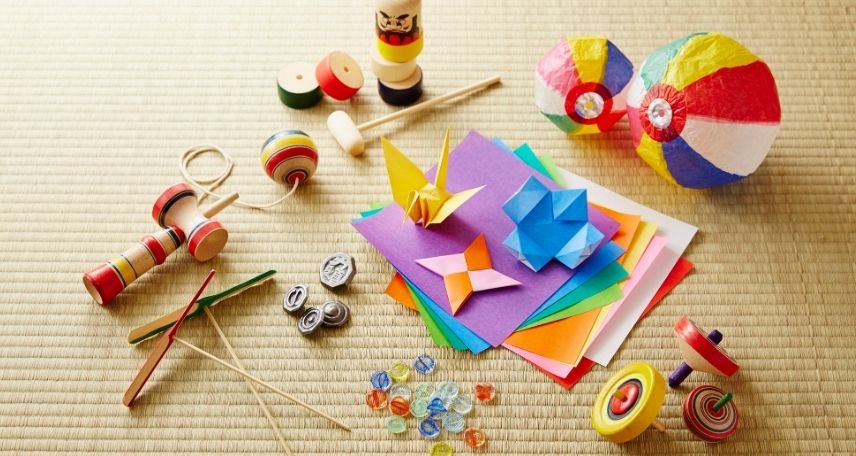
Origami paper is thin and smooth. It is perfect for folding into shapes. This paper often has bright colors or patterns. It holds creases sharply. Origami paper is made to fold easily without tearing.
Cardstock
Cardstock is thicker than regular paper. It is stiff and firm. Cardstock is ideal for cards and scrapbooking. It comes in many colors and finishes. This paper holds shape well and is easy to write on.
Specialty Craft Papers
Specialty craft papers bring unique textures and effects to creative projects. These papers differ from standard craft paper because of their distinct materials and finishes. They add style and personality to cards, scrapbooks, and decorations.
Each type of specialty paper has special qualities. They can be smooth, delicate, or textured. Choosing the right one can elevate any craft work.
Vellum Paper
Vellum paper is smooth and translucent. It lets light pass through for a soft look. People use it for invitations and overlays. Its sturdy feel makes it easy to fold and cut.
Tissue Paper
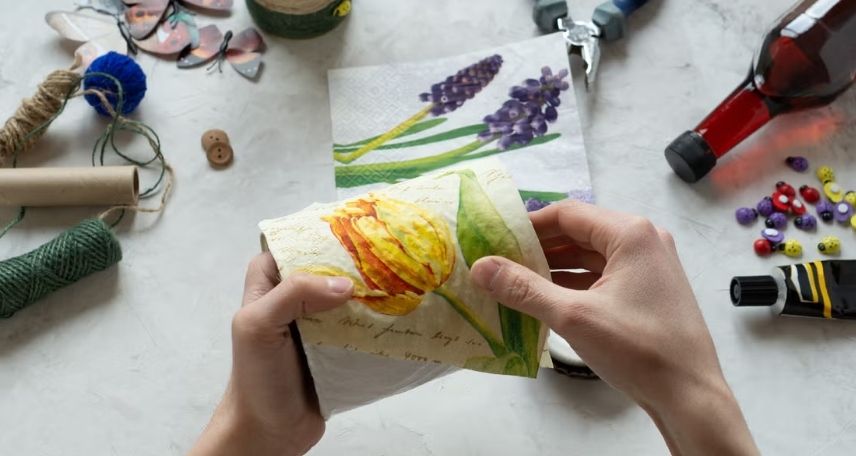
Tissue paper is thin and delicate. It comes in many bright colors. It is perfect for wrapping gifts and making flowers. Its light texture adds a gentle touch to crafts.
Crepe Paper
Crepe paper is crinkled and stretchy. It holds shape well, making it great for decorations. It is often used in party decor and paper flowers. Its vibrant colors make projects lively.
Mulberry Paper
Mulberry paper is made from natural fibers. It has a soft, fibrous texture. Artists use it for collage and mixed media art. Its strength and beauty make it special for crafts.
Paper Weights And Thickness
Paper weight and thickness play a big role in craft paper selection. These factors affect how the paper feels and performs. Knowing the basics helps you pick the right paper for your project. Different weights suit different crafts, from delicate cards to sturdy boxes.
Understanding Gsm
GSM stands for grams per square meter. It measures the paper’s weight and thickness. A higher GSM means thicker, heavier paper. Lower GSM means thinner, lighter paper. For example, 80 GSM is common for printer paper. Craft papers often range from 100 to 300 GSM. Understanding GSM helps you choose the best paper for your needs.
Choosing Paper Thickness For Projects
Thicker paper works well for projects that need strength. Use thick craft paper for cards or scrapbooking. Thin paper suits projects like origami or decorations. Consider how the paper will be used. Heavy paper may be hard to fold but holds shape better. Light paper is easy to cut but can tear easily. Pick the thickness based on your craft’s purpose.
Texture And Finish Options
Choosing the right texture and finish for craft paper can change the look and feel of your project. Texture affects how the paper feels to touch. Finish affects the shine and appearance. Both play a big role in craft success.
Smooth Vs Textured Papers
Smooth craft paper feels soft and flat. It’s easy to write and draw on. Smooth paper works well for cards, invitations, and prints. It gives clean lines and bright colors.
Textured craft paper has a rough or patterned surface. It adds depth and interest to any craft. Common textures include linen, felt, and embossed designs. Textured paper is great for scrapbooking and handmade crafts. It adds a natural, artistic touch.
Matte And Glossy Finishes
Matte finish paper has no shine. It looks soft and flat. Matte paper reduces glare and hides fingerprints. It works well for photos, prints, and invitations that need a subtle look.
Glossy finish paper is shiny and smooth. It reflects light and looks bright. Glossy paper makes colors pop and details sharp. It suits photos, stickers, and projects that need a polished finish.
Eco-friendly Craft Paper Choices
Eco-friendly craft paper choices help protect the planet. These papers reduce waste and save trees. They offer good quality for crafting projects. Many artists prefer eco-friendly options for their work.
Recycled Paper
Recycled paper is made from used paper products. It saves trees and reduces landfill waste. This paper often has a unique texture and look. It works well for cards, scrapbooking, and packaging.
Sustainable Sourcing
Sustainable sourcing means paper comes from well-managed forests. These forests grow new trees to replace those cut down. Paper with sustainable labels shows respect for nature. It helps keep forests healthy for future use.
Biodegradable Papers
Biodegradable papers break down naturally over time. They do not harm the soil or water. These papers are perfect for projects that need composting. Using biodegradable craft paper lowers pollution and waste.
Best Craft Papers For Popular Projects
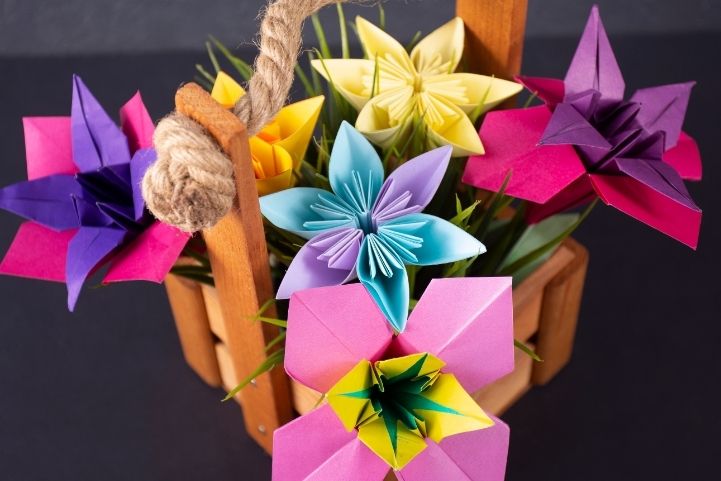
Choosing the right craft paper makes a big difference in your projects. Each paper type has unique qualities that suit specific crafts. Knowing which paper fits your project helps you create better results. Below are popular craft projects and the best papers to use for each.
Scrapbooking
Scrapbooking needs sturdy, acid-free paper. Cardstock works well because it holds photos firmly. Patterned paper adds color and design. Textured paper gives a nice feel and depth. Use papers that won’t fade or damage over time. This keeps your memories safe and clear.
Card Making
Card making calls for smooth, thick paper. Heavy cardstock is ideal for strong cards. You can also use specialty papers like shimmer or linen texture. These papers add style and elegance. Choose papers easy to fold without cracking. This keeps your cards neat and durable.
Paper Flowers
Paper flowers need flexible and strong paper. Crepe paper is popular for its stretch and texture. Tissue paper offers softness and easy shaping. You can also use lightweight cardstock for sturdier flowers. Pick papers that hold shapes well for lasting blooms.
Gift Wrapping
Gift wrapping uses decorative and easy-to-fold papers. Kraft paper is popular for a natural look. Wrapping paper with patterns brightens gifts. Choose papers that don’t tear easily. Thin papers work well for small gifts, thick papers for large boxes.
Tips For Storing And Handling Craft Paper
Proper storage and handling can keep craft paper fresh and usable for a long time. Paper can get damaged easily by moisture, sunlight, or rough handling. Simple habits protect your paper and save money. Organizing your paper also helps you find the right sheet fast.
Avoiding Damage
Store craft paper in a dry place. Avoid damp areas like basements or bathrooms. Humidity can make paper wrinkle or stick together. Keep paper away from direct sunlight to stop fading and drying out. Handle sheets gently to prevent tears or creases. Use clean hands or gloves to avoid stains. If possible, keep paper flat or rolled, not folded.
Organizing Your Paper Stash
Sort paper by type, color, or size. Use clear folders or boxes for easy viewing. Label containers for quick access. Store frequently used paper on top or front. Keep your craft space tidy to avoid losing small sheets. Regularly check your stash for damaged or expired paper. Rotate older paper to use it first.
Frequently Asked Questions
What Are The Most Common Types Of Craft Paper?
Common craft papers include kraft paper, construction paper, tissue paper, and cardstock. Each type serves different crafting needs, from wrapping to scrapbooking. Their textures and thickness vary, making them suitable for specific projects like origami, packaging, or art.
How Is Kraft Paper Different From Regular Paper?
Kraft paper is stronger and more durable than regular paper. It is made from chemical pulp through the kraft process. Kraft paper is brown, eco-friendly, and often used for packaging, wrapping, and crafts requiring sturdy material.
Can Craft Paper Be Recycled Easily?
Yes, most craft papers are recyclable, especially kraft and construction paper. However, papers with coatings, glitter, or heavy dyes may not be recyclable. Always check local recycling guidelines before disposing of craft paper products.
What Craft Paper Is Best For Gift Wrapping?
Kraft paper and tissue paper are popular for gift wrapping. Kraft paper provides a natural, rustic look, while tissue paper adds color and softness. Both are versatile, affordable, and easy to decorate with ribbons or stamps.
Conclusion
Craft paper comes in many types, each with unique features. Choose the right one for your project. Some are rough, some smooth, and some strong. Knowing their differences helps you create better crafts. Experiment with various kinds to find what fits best.
Crafting becomes easier and more fun with the right paper. Keep exploring and enjoy your creative journey!