Last Updated on August 3, 2026
Are you tired of your crafts falling apart just when you’re about to show them off? Whether you’re working with paper, wood, or fabric, choosing the right adhesive can make all the difference between a project that lasts and one that doesn’t.
You want something strong, easy to use, and perfect for your materials. You’ll discover the best adhesives that will keep your creations looking great and standing the test of time. Keep reading to find out which glue will become your new crafting secret weapon!
Types Of Adhesives
Choosing the right adhesive is key for paper, wood, and fabric crafts. Different projects need different types of glue. Each adhesive has its own strength and drying time. Some work better on fabric, while others hold wood tightly. This guide explains popular adhesives for crafting.
Pva Glue
PVA glue is white glue often used in schools. It sticks well to paper and wood. It dries clear and is safe for kids. It is easy to clean with water before drying. PVA glue is great for light crafts and school projects.
Hot Glue
Hot glue comes in sticks and melts in a glue gun. It bonds quickly to wood, fabric, and paper. It works best on thick materials. The glue cools fast and holds strong. Be careful as the glue can cause burns.
Spray Adhesives
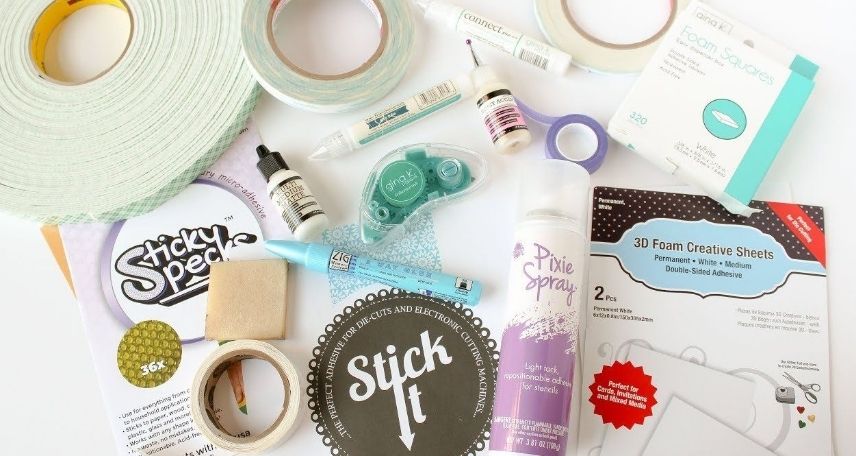
Spray adhesives come in cans and spray a thin glue layer. They cover large surfaces evenly. Spray glue works well on paper and fabric. It is good for layering and mounting projects. Use in a well-ventilated area to avoid fumes.
Fabric Glue
Fabric glue is made for cloth materials. It stays flexible after drying. This glue holds fabric pieces without sewing. It resists washing and does not stiffen fabric. Fabric glue is perfect for quick cloth repairs and crafts.
Epoxy
Epoxy is a two-part glue with resin and hardener. It forms a very strong bond. Epoxy works well on wood and mixed materials. It can fill gaps and hardens in hours. Use epoxy for heavy-duty projects needing tough adhesion.
Rubber Cement
Rubber cement is a sticky glue that stays flexible. It is easy to remove without damaging paper. It works best for light paper crafts and photo mounting. Rubber cement dries fast and does not wrinkle paper. It’s ideal for temporary or repositionable bonds.
Choosing Adhesives For Paper Crafts
Choosing the right adhesive for paper crafts can make a big difference. Paper is delicate and requires glue that holds well without damaging it. The wrong glue can cause wrinkles, warping, or stains. This section helps you find the best adhesive for your paper projects by focusing on key features.
Temporary Vs Permanent Bonds
Temporary adhesives let you reposition pieces before they set. They are great for layouts or scrapbooking. Permanent adhesives create a strong, lasting bond. Use them when your project needs to stay together for a long time. Understanding this helps you avoid mistakes and saves your craft.
Drying Time
Some glues dry quickly, while others take longer. Fast drying glue is perfect for quick projects or when you need to add more layers soon. Slow drying glue allows time to adjust pieces. Pick drying time based on how much control you want during crafting.
Ease Of Use
Glue should be easy to apply and control. Liquid glue can be messy but works well for detail work. Glue sticks are clean and simple but may not hold heavy paper. Choose the type that fits your skill level and project needs to avoid frustration.
Clean Up
Some adhesives clean up easily with water, which is best for kids or quick jobs. Others require solvents or special cleaners. Consider how messy your project might get and choose glue that fits your clean-up preferences. This saves time and keeps your workspace tidy.
Best Adhesives For Wood Projects
Wood projects need strong, reliable adhesives to hold pieces firmly. Choosing the right glue depends on your project type and wood kind. Some adhesives work best for quick fixes, while others provide long-lasting bonds. Understanding the different types helps you pick the perfect glue.
Wood Glue Varieties
Wood glue is common for woodworking. It dries fast and forms a strong bond. PVA glue is popular; it’s easy to use and cleans up with water. For outdoor projects, use waterproof wood glue. Hide glue is good for antique furniture repairs. Each type suits different wood needs.
Epoxy For Strength
Epoxy glue has two parts: resin and hardener. Mix them before use. Epoxy creates a very strong bond and fills gaps well. It works great on hardwoods and repairs broken parts. Epoxy resists water and heat, making it ideal for tough conditions.
Contact Adhesives
Contact adhesives stick instantly on contact. Apply glue on both surfaces, then wait a few minutes. Press pieces together firmly. These adhesives work well for veneers and laminates. They bond quickly but leave little room for adjustments.
Clamping Tips
Clamping keeps wood pieces tight while glue dries. Use clamps to hold parts firmly without damaging the surface. Tighten clamps evenly to avoid gaps. Leave clamps on for the recommended drying time. Proper clamping ensures a strong, lasting bond.
Adhesives Ideal For Fabric
Choosing the right adhesive for fabric crafts is important. Different fabrics need different types of glue. Some adhesives work well on cotton but not on polyester. Others create a strong hold but are stiff after drying. Finding the right balance matters for a neat finish and durability.
Fabric adhesives should hold materials together without damaging them. They must stay flexible and keep the fabric soft. Also, some projects need adhesives that can handle washing and wear. Knowing these key points helps pick the best glue for fabric crafts.
Tackling Different Fabrics
Natural fabrics like cotton and linen absorb glue easily. Synthetic fabrics like nylon and polyester need special adhesives. Some glues fail to stick on slick or stretchy fabrics. Fabric-specific adhesives offer better grip and lasting bonds. Test glue on a small fabric piece first. This avoids damage and weak bonds in your craft.
Flexible Vs Rigid Bonds
Flexible bonds move with the fabric. They prevent cracks or breaks in glued areas. Flexible adhesives suit clothing and wearable crafts. Rigid bonds dry hard and stiff. They work for decorations or crafts that do not bend. Choose flexible glue for comfort and durability in fabric items.
Non-toxic Options
Non-toxic adhesives are safer for skin contact. They are great for kids’ crafts and wearable projects. Many fabric glues are water-based and free from harmful chemicals. These options reduce irritation and allergy risks. Always check the label for safety information.
Washing Durability
Some adhesives wash out quickly. Others stay strong through many cycles. Fabric glue with washing durability keeps crafts intact over time. Look for waterproof or washable glue labels. This ensures your fabric projects last longer and stay neat.
Tools And Techniques
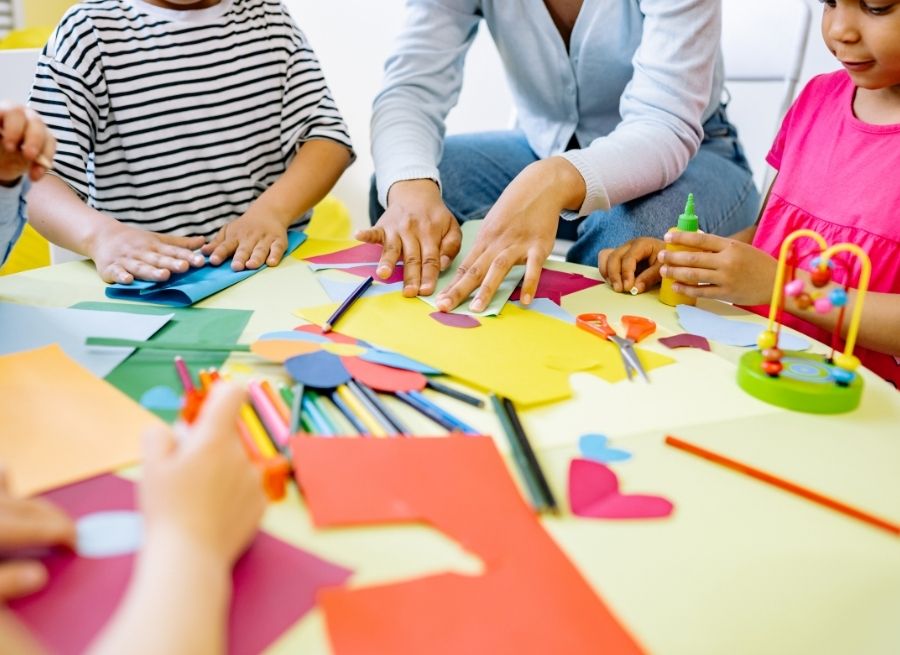
Choosing the right tools and using the correct techniques make a big difference in crafting projects. Proper application helps adhesives bond paper, wood, and fabric firmly. It also keeps the work neat and avoids mess. Small details in how glue is spread can change the final result.
Applying Glue Evenly
Apply glue in thin, even layers for the best hold. Thick blobs take longer to dry and can cause wrinkles. Use gentle strokes to spread glue over surfaces. Check for missed spots to avoid weak bonds. Even glue coverage helps materials stick well and look smooth.
Using Brushes And Spreaders
Brushes and spreaders give control when applying glue. Soft-bristle brushes work great for delicate paper and fabric. A plastic spreader helps spread glue on wood evenly. Clean tools after use to keep them in good shape. Switching tools based on project needs improves results.
Heat And Pressure Tips
Some adhesives bond better with heat and pressure. Use a warm iron on low for fabric crafts with fusible glue. Press glued surfaces firmly but gently to avoid damage. Clamps or heavy books work well for wood projects. Controlled heat and pressure speed drying and strengthen bonds.
Safety Precautions
Work in a well-ventilated area to avoid fumes. Wear gloves to protect skin from irritation. Keep glue away from eyes and mouth. Read product instructions carefully before use. Store adhesives out of reach of children and pets. Safe practices prevent accidents and health issues.
Troubleshooting Adhesive Issues
Adhesives are essential for paper, wood, and fabric crafts. Yet, problems with glue can slow down your project. Common issues include wrinkles, bubbles, weak bonds, and excess glue. Knowing how to fix these problems will save time and improve results.
Preventing Wrinkles And Bubbles
Wrinkles and bubbles appear when glue is too wet or applied unevenly. Use a thin layer of adhesive for better control. Press materials firmly but gently to avoid trapping air. Smooth the surface with a flat tool like a bone folder or ruler.
Work in small sections to keep glue from drying too fast or too slow. Make sure both surfaces are clean and dry before gluing. Avoid excess moisture, which causes paper and fabric to wrinkle easily.
Fixing Weak Bonds
Weak bonds happen if glue is old, applied too thinly, or materials are not clean. Add a little more adhesive and press the pieces together firmly. Hold or clamp the items until the glue sets completely.
For wood, roughen the surface slightly for better grip. For fabric, use fabric glue that stays flexible after drying. Avoid moving glued parts too soon to strengthen the bond.
Removing Excess Glue
Excess glue can spoil the look of your craft. Wipe it immediately with a damp cloth before it dries. For dried glue, gently scrape with a craft knife or use a glue remover safe for your material.
Test any glue remover on a small area first. Always be careful not to damage paper, wood, or fabric while cleaning.
Storage Tips For Adhesives
Proper storage keeps adhesives fresh and effective. Close glue containers tightly after each use to prevent drying. Store them in a cool, dry place away from direct sunlight.
Check expiration dates and replace old glue. For liquid adhesives, keep the tip clean to avoid clogging. Good storage extends the life of your glue and ensures better craft results.
Eco-friendly Adhesive Options
Eco-friendly adhesives offer a safe choice for crafting with paper, wood, and fabric. They protect the environment and keep your workspace healthy. These adhesives avoid harmful chemicals and use natural ingredients. Choosing eco-friendly options helps reduce waste and pollution.
Natural And Non-toxic Glues
Natural glues come from plant or animal sources. They break down easily in nature. Common types include starch-based, casein, and hide glue. These glues work well for paper and wood crafts. Non-toxic formulas keep you safe from fumes and skin irritation. They are gentle for children and pets too.
Recyclable Packaging
Eco-friendly adhesives often use recyclable or biodegradable packaging. This reduces plastic waste in landfills. Look for bottles or tubes made from recycled materials. Some brands use paper labels and cardboard boxes. Smaller packaging also cuts down on trash. Choosing these products supports a cleaner planet.
Diy Adhesive Recipes
Homemade glues are simple and cost-effective. Common recipes mix flour and water for paper crafts. Another option uses cornstarch and vinegar for stronger bonds. These glues contain no harsh chemicals. They are safe for children and easy to clean. Making your own glue reduces plastic use too.
Frequently Asked Questions
What Is The Best Adhesive For Paper Crafts?
PVA glue is the best adhesive for paper crafts. It dries clear and is acid-free. It provides a strong bond without wrinkling paper.
Which Glue Works Best On Wood For Crafts?
Wood glue is ideal for wood crafts. It penetrates wood fibers and creates a durable bond. It dries fast and can be sanded or painted.
Can Fabric Glue Hold Heavy Materials?
Fabric glue can hold medium-weight materials well. For heavy fabrics, use a strong fabric adhesive or sew for added durability. Avoid glues that stay sticky.
Is Hot Glue Suitable For Mixed Material Crafts?
Yes, hot glue works well on paper, wood, and fabric. It bonds quickly and holds firmly. However, it may not be ideal for delicate fabrics.
Conclusion
Choosing the right adhesive makes your crafts last longer. Paper, wood, and fabric each need different glue types. Some adhesives dry fast, others offer strong holds. Test a small area before full use. Keep your workspace clean for best results.
With the right glue, your projects look neat and stay strong. Enjoy crafting with confidence and ease.