Last Updated on September 15, 2026
Choosing the right kitchen knife can change the way you cook. Imagine slicing through vegetables like butter or carving meat with ease.
But with so many options out there, how do you pick the perfect knife for your needs? You want something that feels comfortable in your hand, works well for your favorite recipes, and lasts for years. You’ll discover simple tips to help you find the ideal kitchen knife that fits your style and skill level.
Keep reading, and soon you’ll be cutting with confidence every time you step into the kitchen.
Types Of Kitchen Knives
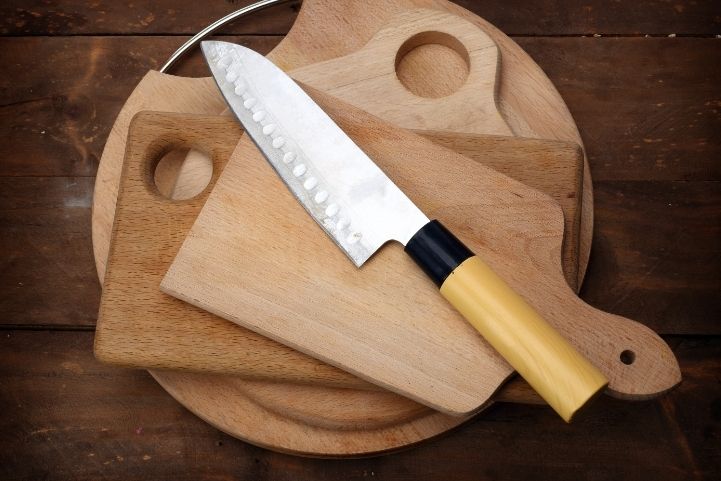
Choosing the right kitchen knife starts with knowing the types. Each knife has a special job in the kitchen. Using the right knife makes cooking easier and safer. Here are some common kitchen knives you should know about.
Chef’s Knife
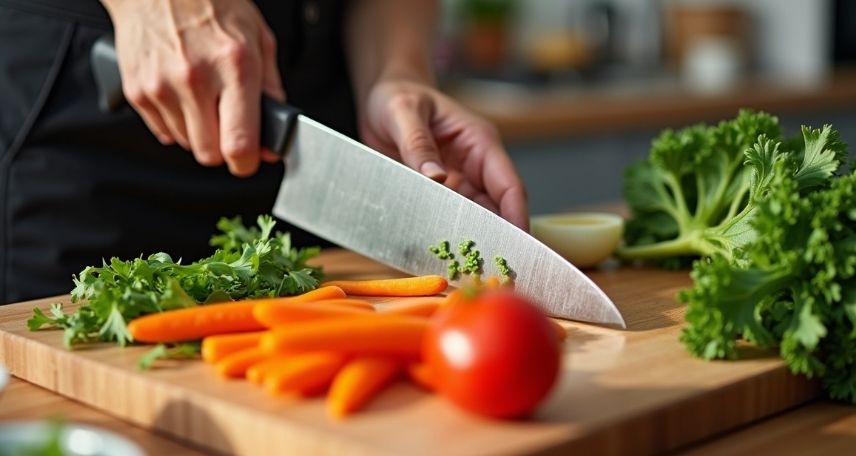
This knife is the most used in any kitchen. It has a broad, sharp blade about 8 inches long. The chef’s knife cuts, chops, and slices many foods. It handles vegetables, meat, and herbs well.
Paring Knife
Small and easy to control, the paring knife is good for detail work. Peeling fruits, trimming vegetables, and cutting small items are its tasks. Its blade is usually 3 to 4 inches long.
Serrated Knife
The serrated knife has a saw-like edge. It cuts through foods with tough skins or crusts. Bread, tomatoes, and citrus fruits are easy to slice with this knife. The blade teeth grip and cut smoothly.
Utility Knife
This knife is a medium size between chef’s and paring knives. It works well for slicing sandwiches, small cuts of meat, and vegetables. The blade is usually 4 to 7 inches long. It is a handy all-rounder.
Boning Knife
The boning knife has a thin, flexible blade. It is designed for removing bones from meat and fish. The narrow blade moves easily around bones and joints. It helps to get clean cuts without waste.
Key Knife Materials
Choosing the right kitchen knife starts with understanding the materials used. The blade material affects sharpness, durability, and maintenance. Different materials suit different cooking styles and needs. Knowing the benefits and drawbacks helps pick the best knife for your kitchen.
Stainless Steel
Stainless steel knives resist rust and stains well. They keep their look and sharpness longer without much care. These knives are easy to clean and safe for most kitchen tasks. They are good for beginners and everyday use. Stainless steel blades usually cost less and offer solid performance.
Carbon Steel
Carbon steel knives are very sharp and easy to sharpen again. They cut through food with less effort. These knives may rust or stain if not dried and oiled properly. They require more care but offer excellent cutting power. Many chefs prefer carbon steel for precision and control.
Ceramic Blades
Ceramic knives stay sharp for a long time without sharpening. They are very light and do not rust. These blades are perfect for cutting fruits and vegetables. They can chip or break if dropped or used on hard items. Ceramic knives need gentle handling but offer clean cuts.
Choosing The Right Blade Size
Choosing the right blade size is important for your kitchen tasks. The blade size affects how well you cut, chop, and slice. Picking the right size makes cooking easier and safer. Different blade sizes serve different purposes. Small, medium, and large blades fit different jobs in the kitchen.
Small Blades For Precision
Small blades are usually 3 to 4 inches long. They work well for detailed tasks like peeling and trimming. These blades offer control and accuracy. Small knives are easy to handle and perfect for fruits and vegetables. They help you make clean, precise cuts without much effort.
Medium Blades For Versatility
Medium blades range from 5 to 7 inches. These knives are the most common in kitchens. They handle many tasks, from slicing meat to chopping herbs. Medium blades balance control and power. They are great for everyday cooking and offer good flexibility.
Large Blades For Heavy Duty
Large blades measure 8 inches or more. They are strong and built for tough jobs. Large knives cut through thick meat and large vegetables easily. They provide extra strength and leverage. Use them for heavy chopping and bigger kitchen tasks.
Handle Design And Comfort
The handle design and comfort play a big role in choosing the right kitchen knife. A knife with a good handle feels natural in your hand. It helps you work safely and easily. A comfortable handle reduces hand fatigue during long cooking sessions. This section explains what to check in handle materials, grip, ergonomics, and balance.
Materials And Grip
Handle materials affect how the knife feels and lasts. Common materials include wood, plastic, and composite. Wood handles offer a warm, natural feel but need more care. Plastic handles resist water and are easy to clean. Composite handles combine durability with a good grip.
Grip matters for control and safety. Look for handles with a textured surface. Smooth handles can slip when wet. Some knives have rubber or soft inserts for extra grip. The right grip helps you cut with confidence and less effort.
Ergonomics And Balance
Ergonomic handles fit the shape of your hand. They reduce strain and make cutting easier. Rounded or contoured handles often feel better than flat ones. Try holding the knife to see if it feels right.
Balance means the weight is evenly spread between the blade and handle. A well-balanced knife feels steady and easy to move. If the handle is too heavy or too light, it can tire your hand quickly. Balance helps you cut smoothly and safely.
Knife Maintenance Tips
Keeping your kitchen knife in good condition is important for safety and performance. Proper maintenance helps the blade stay sharp and last longer. Simple care routines can prevent damage and keep your knife working well.
Sharpening Techniques
Sharpen your knife regularly to maintain a sharp edge. Use a whetstone, sharpening steel, or a knife sharpener. Hold the blade at a 20-degree angle while sharpening. Move the blade evenly across the stone or sharpener. Sharpen both sides of the blade equally. Stop sharpening when the blade feels sharp to the touch.
Proper Cleaning And Storage
Clean your knife immediately after use to avoid stains and rust. Wash by hand using warm water and mild soap. Avoid putting knives in the dishwasher; it can damage the blade. Dry your knife thoroughly before storing it. Store knives in a knife block or on a magnetic strip. Keep blades separate to prevent dulling and accidents.
Budgeting For Quality
Choosing the right kitchen knife involves balancing quality and cost. A good knife lasts long and feels comfortable. Setting a budget helps pick a knife that fits your needs and wallet. This section explains different price levels and what to expect.
Entry-level Knives
Entry-level knives are affordable and good for beginners. They usually use stainless steel and simple handles. These knives work well for basic cutting tasks. Expect to replace them sooner than higher-quality options. Great for casual cooks or those on tight budgets.
Mid-range Options
Mid-range knives offer better materials and sharper edges. They often have stronger steel and ergonomic handles. These knives stay sharp longer and feel balanced in hand. Perfect for regular home cooks wanting reliable tools without high costs.
Investment-grade Knives
Investment-grade knives use premium steel and expert craftsmanship. They hold sharp edges for a long time and resist rust. These knives provide excellent control and comfort. Best for serious cooks who use knives daily and want lasting quality.
Testing Knives Before Buying
Testing knives before buying is important. It helps find a knife that fits your hand and style. A good knife feels right and works well. Spend time holding and using the knife. This small step saves money and frustration later.
Weight And Balance Check
Hold the knife in your hand. Feel its weight. A knife should not feel too heavy or too light. A balanced knife feels steady from handle to tip. Hold the knife by the handle and see if it tilts forward or backward. A well-balanced knife makes cutting easier and safer.
Comfort And Control
Grip the knife as you would while cutting. The handle should feel comfortable. No sharp edges or slippery spots. Test how easy it is to control the blade. Move the knife in different directions. Good control means less effort and better precision. Comfort and control reduce hand fatigue during cooking.
Frequently Asked Questions
What Are The Essential Types Of Kitchen Knives?
The essential kitchen knives include chef’s knife, paring knife, serrated knife, and utility knife. Each serves a specific purpose for cutting, slicing, or peeling.
How To Choose The Best Knife Material?
Choose high-carbon stainless steel for durability and sharpness. It resists rust, holds edges well, and requires less maintenance.
What Size Kitchen Knife Should I Buy?
A 6 to 8-inch blade is ideal for most tasks. It offers balance, control, and versatility for everyday cooking needs.
How Important Is Knife Handle Comfort?
Comfortable handles reduce hand fatigue and improve grip. Look for ergonomic designs with non-slip materials for safe, precise cutting.
Conclusion
Choosing the right kitchen knife makes cooking easier and safer. Think about the blade size and handle comfort. Pick a knife that fits your cooking style and needs. Quality materials last longer and stay sharp. Test the knife in your hand before buying.
Care and maintenance keep your knife working well. A good knife helps you prepare meals with confidence. Take your time to find the best knife for you. Your kitchen will thank you.