Last Updated on September 15, 2026
Choosing the perfect area rug can completely transform your space. But with so many styles, sizes, and materials out there, it’s easy to feel overwhelmed.
You want a rug that not only looks great but also fits your room and lifestyle perfectly. Imagine walking into your home and feeling that instant sense of comfort and style. That’s exactly what the right rug can do for you.
Keep reading, and you’ll discover simple tips to pick an area rug that matches your taste, enhances your room, and lasts for years to come.

Types Of Area Rugs
Area rugs come in many types. Each type offers a different look and feel. Choosing the right one depends on your style, budget, and needs.
Understanding the main types helps you pick the perfect rug for your space. Here are some common types to consider.
Natural Fiber Rugs
Natural fiber rugs are made from materials like jute, sisal, and seagrass. They offer a warm, earthy look. These rugs are eco-friendly and durable. They work well in casual and rustic spaces. Natural fiber rugs are best for low-moisture areas. They can feel rough underfoot but soften over time.
Synthetic Fiber Rugs
Synthetic rugs use materials like nylon, polyester, and polypropylene. They are affordable and easy to clean. These rugs resist stains and fading. Synthetic fiber rugs suit high-traffic areas and homes with pets or kids. They come in many colors and styles. Expect a softer feel compared to natural fibers.
Wool And Silk Options
Wool rugs are soft, strong, and naturally stain-resistant. They keep warmth and absorb sound well. Wool rugs suit both traditional and modern rooms. Silk rugs add luxury and shine. They are smooth and delicate. Often, wool and silk combine for a rich texture. These rugs require gentle care and work best in low-traffic spaces.
Handmade Vs Machine-made
Handmade rugs are crafted by skilled artisans. Each rug is unique with fine details. They often cost more but last longer. Machine-made rugs are made by machines quickly and cheaply. They offer uniform patterns and lower prices. Machine-made rugs suit busy homes and budget buyers. Handmade rugs create a special, authentic look.
Measuring Your Space
Measuring your space is the first step to choosing the perfect area rug. It helps ensure the rug fits well and enhances the room’s look. Without proper measurements, a rug may look too small or too large. Take your time to measure the area carefully. This makes picking the right rug size easier.
Choosing The Right Size
Measure the length and width of your space in feet or inches. Leave some space between the rug edges and the walls. This frame of open floor creates balance. A rug too small looks lost. A rug too big can overwhelm the room.
Decide if you want the rug to fit under furniture or just in the open area. This affects the size you choose. Keep in mind walking paths. The rug should not block doors or cause tripping.
Rug Placement Tips
Place rugs where they add comfort and style. In living rooms, rugs often go under the coffee table. In dining rooms, rugs fit under the table and chairs. Leave some space between the rug edges and furniture legs. This keeps the look tidy.
In bedrooms, rugs usually sit at the foot or sides of the bed. Make sure the rug is wide enough to step on when getting out of bed. Avoid placing rugs in high traffic zones without anchoring furniture.
Rugs For Small Rooms
Choose rugs that make small rooms feel bigger. Light colors and simple patterns help open the space. Pick rugs that cover enough floor to unite furniture. Avoid tiny rugs that only cover a small patch.
Measure carefully so the rug does not block doorways or crowd the room. Rectangular rugs work well in narrow rooms. Round rugs add softness and can break up sharp corners.
Rugs For Large Rooms
Large rooms need big rugs or several smaller rugs. Use a rug to define seating or dining areas. The rug should hold all furniture legs or at least the front ones. This creates a cozy, connected space.
Measure large rooms by sections. Place rugs to fill each zone without overlapping too much. Darker rugs and bold patterns add warmth to big rooms. Make sure rugs do not look lost in the space.
Selecting Colors And Patterns
Selecting the right colors and patterns for an area rug can change the whole feel of a room. Rugs do more than cover the floor. They set the tone and highlight your style. Choosing colors and patterns takes thought. It should match your room’s mood and size.
Think about your furniture and walls. Rugs can blend in or stand out. The right choice makes your space feel cozy and complete.
Matching Existing Decor
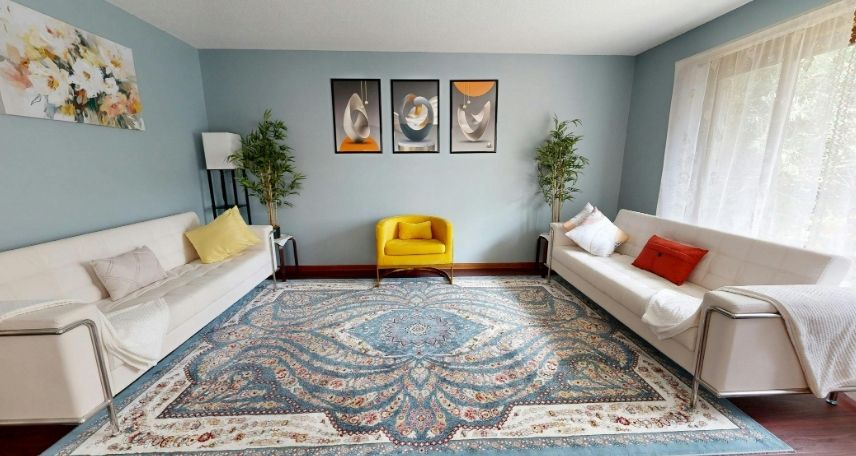
Pick rug colors that match your furniture or wall paint. This creates a smooth look. Use shades found in cushions, curtains, or artwork. Rugs with similar tones unify the space. Avoid clashing colors. Keep the style consistent for a calm, inviting room.
Using Rugs To Add Contrast
Choose a rug that contrasts with your room’s main colors. A bright or dark rug adds life and interest. It draws the eye and creates a focal point. Contrast works well in rooms with plain walls or furniture. It breaks monotony and adds personality.
Pattern Scale And Room Size
Match the rug pattern size to your room size. Big patterns suit large rooms. Small patterns fit better in small spaces. Large patterns can overwhelm a tiny room. Small patterns may get lost in a big area. Balance pattern size with room scale for harmony.
Trends Vs Timeless Designs
Trendy rugs add a fresh look but may fade in style. Timeless designs stay classic for years. Choose trendy patterns for short-term style boosts. Pick timeless ones for long-lasting appeal. Think about how long you want the rug. Classic designs often bring more value.
Choosing Rug Styles For Different Rooms
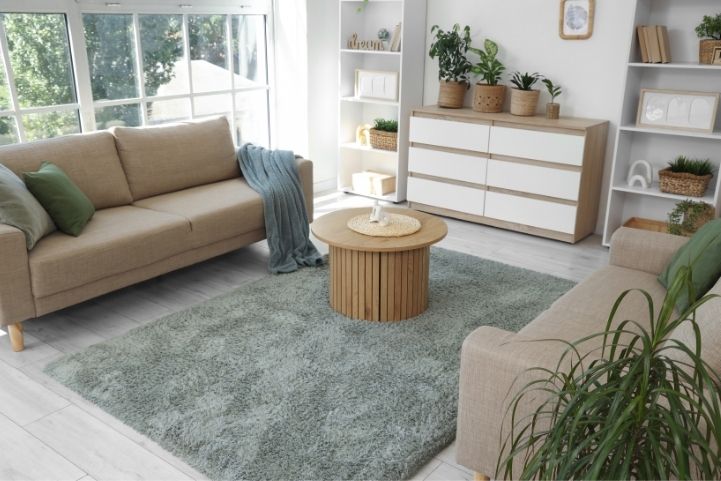
Choosing the right rug style for each room helps create a balanced and inviting space. Rugs set the mood and tie the room’s design together. Different rooms need different rug styles based on use and decor.
Here are some simple tips for picking the perfect rug style for common rooms in your home.
Living Room Rugs
Choose rugs that feel warm and welcoming in the living room. Soft textures and medium to large sizes work well. Patterns can add character but keep colors balanced with furniture. Durable rugs withstand foot traffic without losing charm.
Dining Room Rugs
Select rugs that handle spills and stains easily in the dining room. Flatweave or low-pile rugs are best for cleaning. The rug should be large enough so chairs stay on it when pulled out. Simple patterns hide minor stains and keep the room looking neat.
Bedroom Rugs
In bedrooms, choose soft and cozy rugs for comfort. Plush or shag rugs feel nice underfoot. Place rugs near the bed for warmth when you wake up. Light colors and gentle patterns create a peaceful space to relax.
Entryway And Hallway Rugs
Pick rugs that stand up to heavy use in entryways and hallways. Durable materials and darker colors help hide dirt. Narrow runners fit well in hallways and guide guests inside. Easy-to-clean rugs keep these areas looking fresh.
Durability And Maintenance
Choosing an area rug means thinking about how long it will last and how easy it is to care for. Rugs in busy places need to stand up to heavy use. Some rugs clean easier than others. Taking care of your rug helps keep it fresh and new. Simple steps can make a big difference.
Rug Cleaning Tips
Vacuum your rug regularly to remove dust and dirt. Use a vacuum without a beater bar for delicate rugs. Spot clean spills right away with a clean cloth. Avoid harsh chemicals that can damage fibers. Professional cleaning helps with deep dirt and stains.
Stain Resistance
Choose rugs with stain-resistant materials for easy care. Synthetic fibers like nylon and polypropylene resist stains well. Wool rugs have natural stain resistance but need gentle cleaning. Avoid light-colored rugs in high traffic areas to hide stains better. Treat spills quickly to prevent permanent damage.
Rug Pads And Protection
Use a rug pad under your area rug. Pads prevent slipping and protect floors. They also add cushioning for comfort. Pads reduce wear and tear on rug fibers. Choose pads that fit your rug size and floor type.
Longevity Considerations
Select rugs made from durable materials for long life. Wool and synthetic blends last longer than delicate fibers. Avoid placing rugs in direct sunlight to prevent fading. Rotate your rug regularly to even out wear. Proper care extends the beauty and life of your rug.
Budgeting For Area Rugs
Choosing the right area rug means balancing style and budget. Rugs come in many prices, from cheap to expensive. Knowing how to budget helps you find the best rug for your room and wallet. This section breaks down rug prices and guides you on smart spending.
Price Ranges Explained
Area rugs vary widely in cost. Small, machine-made rugs often start around $50. Larger or handwoven rugs can cost hundreds or thousands. Materials like wool or silk raise the price. Synthetic fibers tend to be cheaper but less durable. Decide your price range before shopping.
Investing In Quality
Quality rugs last longer and look better. Natural fibers like wool offer comfort and durability. Hand-tied rugs have unique designs and hold value. Spending more upfront saves money over time. Quality rugs resist stains and wear better than cheap ones.
Affordable Alternatives
Budget-friendly rugs still offer style. Look for synthetic blends or machine-made options. These rugs mimic the look of expensive materials. Choose simple patterns to reduce cost. Sale events and discount stores also offer good deals.
Where To Shop
Many places sell area rugs. Furniture stores often carry mid-range rugs. Online shops provide wide selections and prices. Thrift stores and flea markets may have hidden gems. Compare prices and read reviews before buying.
Frequently Asked Questions
What Size Rug Should I Choose For My Living Room?
Choose a rug that fits your seating area with all furniture legs on or off the rug. Typically, a rug 8×10 feet works well for most living rooms, but always measure your space before buying.
How Do I Pick A Rug Color That Matches My Décor?
Select rug colors that complement your room’s existing palette. Neutral or muted tones work well for versatile styles, while bold colors can create a focal point.
What Rug Material Is Best For High-traffic Areas?
Opt for durable materials like wool, nylon, or polypropylene in high-traffic areas. These materials resist stains and wear, making maintenance easier.
Should I Use A Rug Pad Under My Area Rug?
Yes, a rug pad prevents slipping, adds cushioning, and extends rug life. It also protects your floor from scratches and damage.
Conclusion
Choosing the perfect area rug adds comfort and style to any room. Consider size, color, and material carefully. Think about your space and how you want it to feel. A good rug ties the room together and feels soft underfoot.
Take your time and trust your taste. A well-chosen rug makes your home inviting and cozy. Simple steps lead to great results. Enjoy the process of finding the right rug for your space.