Last Updated on September 15, 2026
Choosing the right window curtains can completely change the look and feel of your room. But with so many styles, fabrics, and colors available, it’s easy to feel overwhelmed.
You want curtains that not only match your taste but also fit your needs—whether that’s blocking light, adding privacy, or boosting your decor. This guide will help you make smart choices, so your curtains do more than just hang—they’ll transform your space.
Keep reading to discover simple tips that will make picking the perfect curtains easier than ever.
Assess Your Room’s Style
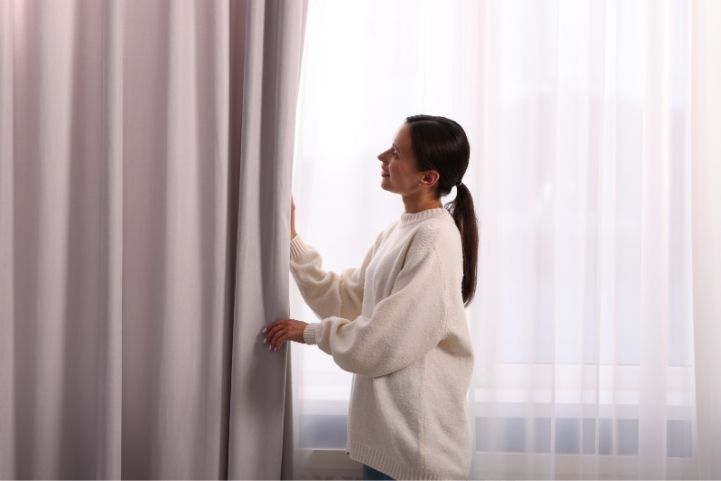
Assessing your room’s style is the first step in choosing the right curtains. Curtains should blend well with the room’s overall look. They can enhance the space or clash with other elements.
Think about the furniture, wall colors, and decorations. Notice if the room feels modern, traditional, cozy, or formal. This helps pick curtains that fit perfectly.
Match Curtains To Decor
Choose curtain styles that reflect your room’s theme. For a classic room, heavy fabrics like velvet work well. For a modern space, light materials and simple designs suit better. Patterns should also match the room’s vibe. Floral curtains fit a cozy style. Geometric prints look good in contemporary rooms.
Consider Room Functionality
Think about how you use the room. Bedrooms need curtains that block light for better sleep. Living rooms may need sheer curtains to let in natural light. Kitchens benefit from easy-to-clean fabrics. Curtains should support the room’s daily use and comfort.
Choose Colors Wisely
Select curtain colors that complement your walls and furniture. Neutral colors work well in most rooms. Bright colors add energy and can be a focal point. Dark curtains create a cozy atmosphere but may make a room feel smaller. Keep balance in mind to maintain harmony.
Pick The Right Fabric
Choosing the right fabric for your curtains affects both look and function. Fabric type changes how curtains hang, how much light they block, and how easy they are to clean. Think about the room’s needs and your personal style before picking fabric.
Lightweight Vs Heavyweight
Lightweight fabrics like cotton or linen let in more natural light. They create a soft, airy feel in the room. These fabrics are great for living rooms or kitchens where brightness is welcome. Heavyweight fabrics like velvet or thick polyester block more light and offer better insulation. They suit bedrooms or rooms needing privacy and warmth.
Texture And Pattern Options
Fabric texture adds depth and style to your curtains. Smooth fabrics provide a modern, clean look. Rougher textures like burlap or woven materials add warmth and coziness. Patterns can range from simple solids to bold prints. Pick patterns that match your room’s décor without overwhelming the space.
Durability And Maintenance
Consider how often you want to wash your curtains. Some fabrics need dry cleaning, while others are machine washable. Durable fabrics like polyester resist wrinkles and fading. They work well in busy areas or homes with pets and children. Choose fabrics that fit your lifestyle to keep curtains looking fresh longer.
Measure Windows Accurately
Measuring windows accurately is the first step to choosing the right curtains. A good fit makes your room look neat and stylish. Incorrect measurements can cause curtains to be too short or too narrow. Take your time to measure carefully and avoid costly mistakes.
Width And Length Guidelines
Measure the width of your window from edge to edge. Add extra inches for curtain fullness and overlap. A common rule is to multiply the window width by 1.5 to 3 times. For length, measure from the curtain rod to where you want the curtains to end. Decide if you want them to just touch the floor or puddle slightly for a softer look.
Accounting For Curtain Rod Placement
Measure from the wall to the curtain rod’s position. The rod should extend beyond the window frame to allow curtains to open fully. Typically, add 3 to 6 inches on each side of the window width. For length, measure from the rod height down to your desired curtain length. Higher rods can make windows look taller and rooms more spacious.
Adjustments For Different Window Types
For bay or bow windows, measure each section separately. Add extra width for the angles and curves. For tall, narrow windows, choose longer curtains to create balance. For small windows, use lighter fabrics to avoid overpowering the space. Proper adjustments ensure your curtains fit well and look beautiful.
Select Suitable Curtain Styles
Choosing the right curtain style sets the tone for your room. Curtains do more than cover windows. They add personality and control light and privacy. Different styles offer unique looks and functions. Understanding popular curtain types helps you pick the best fit for your space.
Rod Pocket And Grommet Curtains
Rod pocket curtains have a sewn-in pocket at the top. You slide the curtain rod through this pocket. This style creates soft, gathered folds. It works well in casual or traditional rooms. Grommet curtains have metal rings at the top. The rod slides through these rings. They hang in smooth, even pleats. Grommets offer a modern, clean look. Both styles are easy to hang and move.
Sheer Vs Blackout Panels
Sheer panels let in natural light while offering some privacy. They soften the room’s look and feel airy. Blackout panels block light completely. They are ideal for bedrooms or media rooms. Blackout curtains also help with noise and temperature control. Choose sheers for bright, open spaces. Pick blackout panels if you need darkness or insulation.
Layering With Valances And Drapes
Layering adds depth and style to window treatments. Valances are short fabric pieces that cover the top of the window. They hide curtain rods and add decoration. Drapes are heavier curtains that hang to the floor. Use drapes with sheers for both privacy and light control. Layers let you change the room’s mood easily. Mix colors and textures for a custom look.
Choose The Right Curtain Hardware
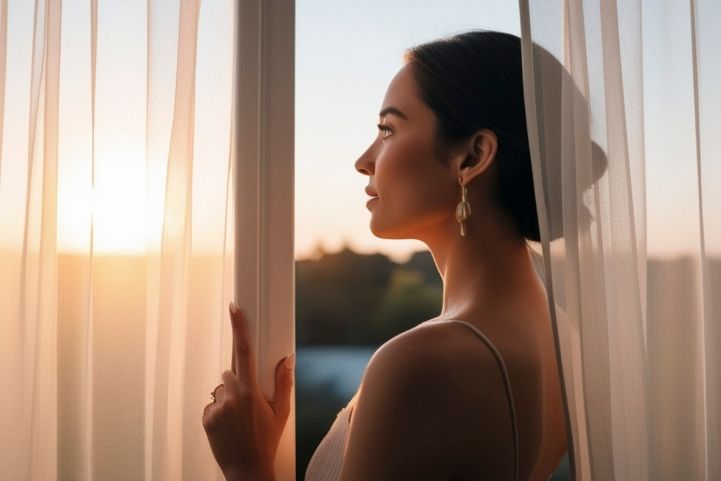
Choosing the right curtain hardware is essential for a polished look. Hardware holds your curtains in place and adds style to your windows. The right curtain rods, finials, and tiebacks enhance both function and design. Proper installation ensures smooth operation and durability. Let’s explore the key hardware elements to consider.
Types Of Curtain Rods
Curtain rods come in various materials like metal, wood, and plastic. Metal rods offer strength and modern style. Wooden rods give a warm, classic feel. Choose rods that match your room’s decor and curtain weight. Adjustable rods provide flexibility for different window sizes. Consider double rods for layering curtains or sheers.
Finials And Tiebacks
Finials are decorative end caps for curtain rods. They add character and complete the look. Options include simple balls, ornate shapes, or themed designs. Tiebacks hold curtains open and add charm. Use fabric, metal, or rope tiebacks to match your curtains. Both finials and tiebacks can highlight your room’s style.
Installation Tips
Measure your window width before buying hardware. Mount rods 3 to 6 inches above the window frame. Extend rods 4 to 6 inches beyond window edges to let curtains fully open. Use wall anchors for heavy curtains to avoid damage. Check that brackets are level for smooth curtain movement. Proper installation improves curtain function and appearance.
Balance Privacy And Light Control
Balancing privacy and light control in your home is key for comfort and style. Curtains help block unwanted views while letting natural light in. Choosing the right options means you enjoy daylight without feeling exposed. This balance also affects your room’s mood and energy use. Let’s explore ways to get this balance right.
Using Liners And Shades
Liners add privacy without heavy curtains. They fit behind your main curtains to soften light. Shades work well for direct light control. You can pull them up or down as needed. Both options help block harsh sunlight but keep rooms bright. They also protect your curtains from fading.
Combining Curtains For Flexibility
Layering curtains offers better control of light and privacy. Use sheer curtains for soft daylight and heavier curtains for night privacy. This combo lets you adjust coverage anytime. Open the heavy curtains for sunlight. Close them to block views or darken rooms. It’s a smart way to use one window for many needs.
Energy Efficiency Considerations
Curtains help keep your home warm or cool. Thick curtains or thermal liners stop drafts in winter. They also block heat from the sun in summer. This saves on heating and cooling bills. Choose curtains that fit your climate for best results. Energy-saving curtains protect your comfort and wallet.
Budgeting For Curtains
Setting a budget for curtains helps narrow down choices and prevents overspending. Curtains can range from very cheap to very expensive. Knowing your budget first keeps the buying process simple. It also ensures you get curtains that fit your style and your wallet.
Affordable Vs High-end Options
Affordable curtains often use simpler fabrics and designs. They are easy to find in most stores. These curtains work well for short-term use or small rooms. High-end curtains use rich fabrics and detailed work. They last longer and add a luxury feel. Choose based on how much you want to spend and the look you prefer.
Diy Vs Custom-made Curtains
DIY curtains save money and allow for personal style. You can buy fabric and sew at home or use no-sew methods. Custom-made curtains cost more but fit perfectly. They match your window size and design exactly. Decide if you want to invest time or money for the best fit and style.
Long-term Investment Value
High-quality curtains can be a smart long-term investment. They resist fading and wear over time. Cheaper curtains may need replacing sooner. Consider how often you want to update your curtains. Spending a bit more now can save money later.
Frequently Asked Questions
What Factors Affect Choosing The Right Window Curtains?
Consider room size, natural light, privacy needs, and décor style. Fabric type and color also influence curtain choice.
How To Measure Windows For Perfect Curtain Size?
Measure window width and height accurately. Add extra width for fullness and extra length for desired curtain drop.
Which Curtain Materials Suit Different Room Types?
Light fabrics like cotton suit kitchens. Heavy fabrics like velvet work for bedrooms and living rooms.
How Do Curtain Colors Impact Room Ambiance?
Light colors brighten space and feel airy. Dark colors add warmth and coziness to rooms.
Conclusion
Choosing the right window curtains can change a room’s look and feel. Think about your style, privacy needs, and how much light you want. Also, consider the room’s size and color scheme. Curtains should fit well and feel comfortable to touch.
Take time to compare fabrics and patterns. This helps you find the perfect match for your space. Small details matter. With the right curtains, your home feels warm and inviting. Simple choices make a big difference in your comfort and style.