Last Updated on August 3, 2026
Is your home feeling crowded and chaotic? You’re not alone.
Clutter can quickly take over, making it hard to relax and find what you need. But here’s the good news: you don’t have to tackle everything at once. By focusing on one room at a time, you can make steady progress without feeling overwhelmed.
Imagine walking into a space that feels calm, organized, and truly yours. Ready to discover simple steps that turn your messy rooms into peaceful havens? Keep reading, and let’s get started on transforming your home, one room at a time.
Start With A Plan

Starting with a plan makes decluttering easier and less stressful. It helps you stay organized and focused on one room at a time. Planning allows you to set small steps and avoid feeling overwhelmed. This way, you complete tasks steadily and enjoy the progress.
Set Realistic Goals
Set clear and simple goals for each room. Choose what you want to finish in one session. For example, focus on sorting clothes or clearing shelves. Small goals make the task more manageable. They keep you motivated and on track.
Gather Supplies
Collect all the tools you need before starting. Have boxes or bags ready for items to keep, donate, or throw away. Use cleaning cloths and trash bags nearby. Being prepared saves time and keeps you moving smoothly.
Schedule Decluttering Sessions
Plan specific times to work on each room. Short sessions of 20 to 30 minutes work best. Add these times to your calendar. Regular sessions help build a habit and avoid burnout. Stick to your schedule to finish faster.
Tackle The Living Room
The living room is often the heart of the home. It holds many items, from furniture to electronics. Decluttering this space creates a calm, inviting atmosphere. Start by focusing on one area at a time. This approach makes the task easier and less overwhelming.
Sort Furniture And Decor
Begin by looking at each piece of furniture. Decide if it fits the room’s size and style. Remove items that crowd the space or no longer serve a purpose. Next, examine decorative objects. Keep only those that bring joy or match the room’s theme. Donate or store extras to free up space.
Organize Media And Electronics
Gather all media like DVDs, games, and CDs. Sort through them and toss damaged or unwanted items. Use storage boxes or shelves to keep media tidy. For electronics, untangle cords and label them. Place devices in designated spots to avoid clutter.
Clear Surfaces And Floors
Clear coffee tables, shelves, and other surfaces. Remove items that do not belong or are rarely used. Wipe surfaces clean to refresh the area. Check the floor for toys, books, or shoes. Put things away to create an open, neat space. Clean floors add to the room’s fresh feel.
Declutter The Kitchen
The kitchen is often the heart of a home, but it can easily become cluttered. A cluttered kitchen slows down cooking and cleaning. Clearing this space creates a calm and efficient area. Start with small steps. Focus on one part at a time for best results.
Empty And Clean Cabinets
Begin by taking everything out of your cabinets. This helps see what you really have. Throw away expired or broken items. Wipe down shelves with a damp cloth. Clean cabinets feel fresh and ready for organizing. Put back only what you use regularly.
Sort Pantry Items
Group pantry items by type: grains, canned goods, snacks, and spices. Check expiration dates and toss old food. Use clear containers for dry goods to keep them fresh. Label containers for easy identification. This way, you save time and avoid buying duplicates.
Organize Countertops
Clear off all countertops. Only keep daily-use items like a coffee maker or toaster. Store other gadgets in cabinets or drawers. Use trays or baskets to group small items together. A tidy countertop makes cooking more enjoyable and less stressful.
Simplify The Bedroom
Simplifying the bedroom makes it a calm, tidy place to rest. A clutter-free room helps you relax and sleep better. Start small and work through each part step by step. Focus on what you need and use every inch wisely.
Sort Clothing And Accessories
Begin with your clothes. Take everything out and check each item. Keep only what fits and feels good. Toss or donate old, torn, or unused clothes. Organize accessories like belts, scarves, and hats. Use small bins or trays to keep them neat.
Organize Closets And Drawers
Arrange clothes by type or color for easy access. Fold sweaters and t-shirts to save space. Hang dresses and shirts to avoid wrinkles. Use drawer dividers to separate socks, underwear, and accessories. Clear off closet floors to avoid piles of shoes or boxes.
Create A Relaxing Space
Clear surfaces like nightstands and dressers. Keep only essential items like a lamp or alarm clock. Choose soft, calming colors for bedding and curtains. Add a cozy blanket or pillows for comfort. Make sure the room feels open and inviting.
Clear Out The Bathroom
Clearing out the bathroom is a great way to make your home feel fresh and tidy. This small space often holds many items that can pile up quickly. Removing clutter helps you find what you need faster. It also creates a calm, clean area to start and end your day.
Take a step-by-step approach. Focus on one part of the bathroom at a time. This makes the task easier and less overwhelming. Start by sorting through products and supplies. Then organize what you keep. Finally, improve your storage to keep things neat long-term.
Discard Expired Products
Check all bottles, creams, and makeup. Look at the expiration dates on each item. Throw away anything that is past its date. Also discard products that look or smell different. Old items can cause skin problems or lose their effectiveness.
Do not keep duplicates. Use only what you need. Clearing out expired products frees up space and reduces clutter.
Organize Toiletries
Group similar items together. Keep daily essentials within easy reach. Use small containers or trays to separate things like toothpaste, brushes, and razors. This prevents items from spreading around the sink or counter.
Store backup items in cabinets or drawers. Label containers if needed. Organized toiletries save time and reduce stress during busy mornings.
Maximize Storage Space
Use vertical space with shelves or hooks. Add baskets or bins inside cabinets to hold smaller items. Consider using clear containers to see contents quickly. Use the back of the door for hanging towels or organizers.
Keep counters clear by storing items away. Good storage solutions keep the bathroom tidy and make cleaning easier.
Manage The Home Office
Managing the home office is a key step in decluttering your home. A clean workspace helps you focus and feel calm. It also makes daily tasks easier and faster. Start by tackling papers, then sort your desk, and finally, digitize important documents. Each step will clear space and improve your work area.
Sort Paperwork And Files
Gather all papers in one place. Sort them into categories like bills, receipts, and important documents. Throw away anything you no longer need. Use folders or trays to keep papers organized. Label each folder clearly. This way, you find papers quickly and avoid clutter piling up again.
Organize Desk And Supplies
Remove everything from your desk. Only put back items you use daily. Store extra supplies in drawers or boxes. Use organizers for pens, paperclips, and other small items. Keep your desk surface clean and clear. A tidy desk helps you stay productive and reduces stress.
Digitize Documents
Scan important papers to create digital copies. Save files in clearly named folders on your computer. Back up files regularly to avoid losing them. Digitizing reduces paper clutter and makes documents easy to find. It also frees up space in your home office for other uses.
Handle Storage Areas
Storage areas often become catch-alls for clutter. These spaces can fill up quickly and make your home feel messy. Handling storage areas effectively can help keep your whole home organized. Focus on sorting items, using clear containers, and making things easy to reach.
Sort Seasonal Items
Separate items by season to keep only what you need nearby. Store winter clothes and gear away during summer. Put summer items in clear bins during colder months. This helps save space and makes finding things faster.
Use Clear Bins And Labels
Clear bins let you see contents without opening them. This saves time and keeps items visible. Label each bin clearly to avoid guessing. Use simple words on labels for quick identification.
Create Easy Access Zones
Arrange storage so you reach often-used items easily. Place less-used items higher or in the back. Group similar items together for faster retrieval. This keeps your storage neat and practical.
Maintain Your Decluttered Home
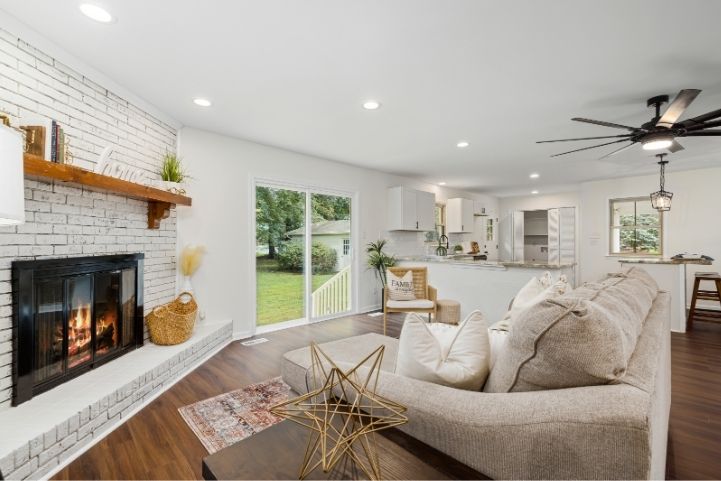
Keeping your home decluttered takes effort every day. A clean space feels peaceful and helps you focus better. You need simple routines to maintain order. Small steps add up over time. This section shows how to keep your home tidy one day at a time.
Establish Daily Habits
Create small daily habits to keep clutter away. Spend five to ten minutes tidying each day. Put things back in their place after use. Make your bed every morning. These habits stop mess from growing. They also save time later.
Schedule Regular Check-ins
Set a weekly or monthly time to review your rooms. Look for items that don’t belong or are not used. This helps catch clutter early. Check closets, drawers, and shelves. A quick walk through your home keeps things fresh and organized.
Donate Or Dispose Unused Items
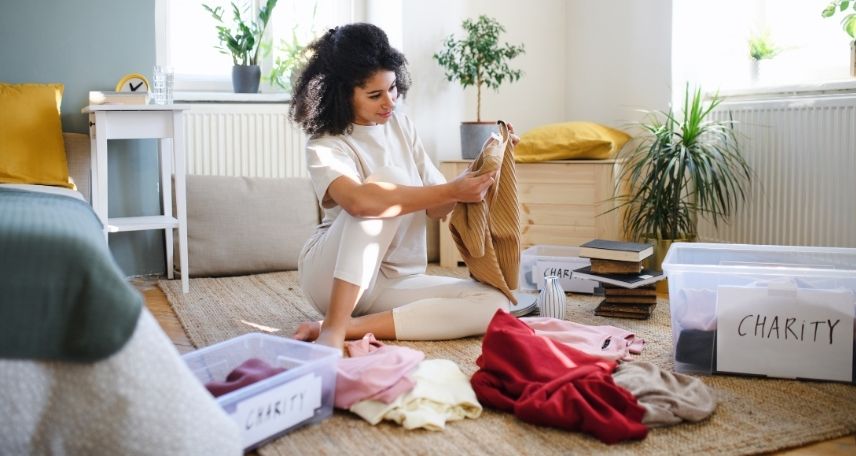
Remove things you no longer need or use. Donate items in good condition to charity. Throw away broken or unusable stuff. Clearing out unused things frees space and reduces clutter. It also helps others and keeps your home neat.
Frequently Asked Questions
What Is The Best Way To Start Decluttering My Home?
Begin by choosing one room to focus on. Sort items into keep, donate, and discard piles. Set small goals and work consistently.
How Long Does It Take To Declutter One Room?
Decluttering a room usually takes a few hours to a full day. The time depends on the room size and clutter level.
How Do I Stay Motivated While Decluttering?
Break tasks into small steps and celebrate progress. Visualize a clean space and remind yourself of the benefits regularly.
What Should I Do With Items I No Longer Want?
Donate usable items to charity or sell them online. Recycle or dispose of broken or unusable items responsibly.
Conclusion
Decluttering your home one room at a time makes the task less stressful. Start small and take breaks often. You will see progress quickly, which keeps you motivated. Each room feels lighter and more organized. Your home becomes a peaceful place to relax.
Keep only what you use and love. This habit helps maintain order long term. Remember, slow and steady wins the race. Enjoy the calm that comes with a tidy space. You deserve a home that feels just right.