Last Updated on September 15, 2026
Choosing the right luggage size can make or break your travel experience. Have you ever struggled with a suitcase that’s too big to carry easily or too small to fit everything you need?
Picking the perfect size saves you from extra fees, stress at the airport, and the hassle of carrying bulky bags. You’ll discover simple tips that help you find luggage that fits your trip and your style. By the end, you’ll know exactly what size works best for you—making your next trip smoother and more enjoyable.
Keep reading to find out how to choose the right luggage size every time.
Factors Affecting Luggage Size
Choosing the right luggage size depends on several important factors. These affect how much you pack and what size fits best. Understanding these helps avoid extra fees and makes travel easier.
Trip Duration And Purpose
The length of your trip plays a big role in luggage size. Short trips need smaller bags. Longer trips require larger luggage to hold more items. Also, the trip’s purpose matters. Business trips often need less clothing but space for gadgets. Vacation trips may require more space for clothes and souvenirs.
Airline Size Restrictions
Each airline has rules about luggage size and weight. Carry-on bags must fit in overhead bins or under seats. Checked bags have size limits to avoid extra charges. Know these rules before packing. This helps avoid surprise fees and delays at the airport.
Personal Packing Habits
People pack differently. Some travel light with only essentials. Others like to bring many outfits or extras. Your packing style affects the size of luggage you need. Think about how much you usually pack. Choose luggage that fits your habits without being too large or small.
Types Of Luggage Sizes
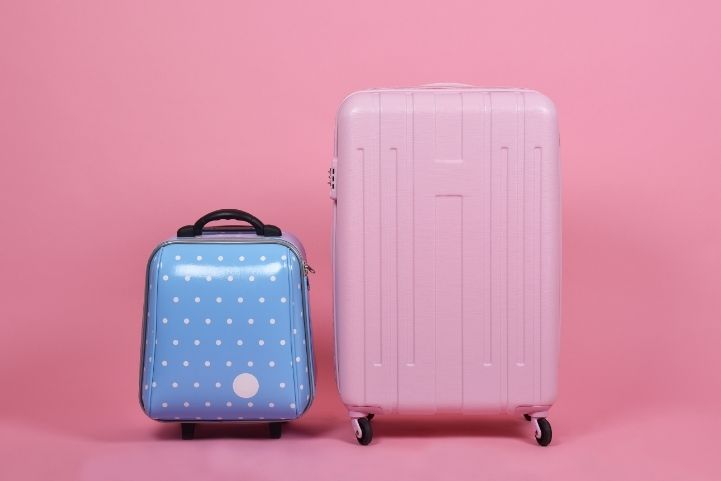
Choosing the right luggage size is key for a smooth trip. Luggage comes in many sizes. Each size fits different travel needs. Knowing these sizes helps pack smart and avoid extra fees.
Here are the main types of luggage sizes to consider for your next trip.
Carry-on Dimensions
Carry-on luggage fits in airplane overhead bins. Most airlines allow bags up to 22 x 14 x 9 inches. This size holds essentials for short trips. Easy to carry and quick to access.
Good for trips lasting a few days. Avoids checked bag fees. Choose lightweight and durable materials.
Medium Checked Bags
Medium checked bags measure about 24 to 26 inches tall. They offer more space for longer trips. Ideal for one-week vacations or business trips. Can hold shoes, clothes, and toiletries comfortably.
Check airline weight limits. Use packing cubes to stay organized. These bags usually come with wheels for easy transport.
Large Checked Bags And Duffels
Large checked bags range from 27 to 30 inches or more. Best for family trips or long vacations. They hold bulky items and many outfits. Some travelers prefer duffel bags for flexibility.
Duffels can be soft-sided and easier to squeeze into tight spaces. Both types should be sturdy and secure. Watch weight to avoid extra fees.
Matching Luggage To Travel Style
Choosing the right luggage size depends a lot on how you travel. Each travel style needs different luggage features. Knowing your style helps pick luggage that fits your needs perfectly. This saves space and makes your trip easier.
Business Vs Leisure Travel
Business trips usually need smaller, more compact bags. Carry-on sizes work well for short trips. They fit under the seat or in overhead bins. Business travelers often carry laptops and documents. Look for luggage with organized compartments and easy access.
Leisure travelers may pack more clothes and extras. Medium or large suitcases work best. They hold more items for longer stays. Soft-sided luggage can be lighter and easier to squeeze into tight spaces. Leisure trips often involve casual wear and souvenirs.
Solo Vs Group Trips
Solo travelers can choose luggage based on personal needs. Smaller bags are easier to carry alone. Rolling suitcases and backpacks offer flexibility. Solo trips usually mean packing less.
Group trips may require different luggage strategies. Sharing space or carrying group items is common. Larger suitcases or duffel bags can hold shared gear. Packing smart helps avoid overpacking and heavy loads.
Adventure And Special Activities
Adventure travel demands durable, functional luggage. Look for water-resistant or hard-shell cases. Backpacks with support straps work well for hiking or camping. Extra compartments help organize gear and tools.
Special activities like sports or photography need custom luggage. Bags with padded sections protect equipment. Choose sizes that fit all your gear safely. Good luggage keeps your items secure and easy to carry.
Material And Weight Considerations
Choosing the right luggage means thinking about the material and weight. These factors affect how easy it is to carry and how well it protects your stuff. Picking the right material can save you stress at the airport and on the road. The luggage should be light but strong. It should handle bumps and rough handling without breaking.
Hard Shell Vs Soft Shell
Hard shell luggage has a tough outer layer. It protects fragile items better. It resists water and scratches well. Soft shell luggage is made from fabric. It is more flexible and can fit into tight spaces. Soft shells often have extra pockets for small items. Choose hard shell for strong protection. Pick soft shell for flexibility and extra storage.
Lightweight Options
Lightweight luggage helps you avoid extra fees at airports. It also makes carrying easier. Many brands use materials like polycarbonate or nylon to keep weight low. Light luggage is great for short trips or when you carry a lot. Always check the weight of empty luggage before buying. Lighter bags give you more space for your things.
Durability And Flexibility
Durable luggage lasts for many trips. Look for strong zippers and reinforced corners. Flexible luggage can bend without breaking. It fits better in small spaces. Soft shell bags often offer more flexibility than hard shells. Durable materials include ballistic nylon and polycarbonate. Choose a bag that fits your travel style and lasts long.
Packing Tips To Maximize Space
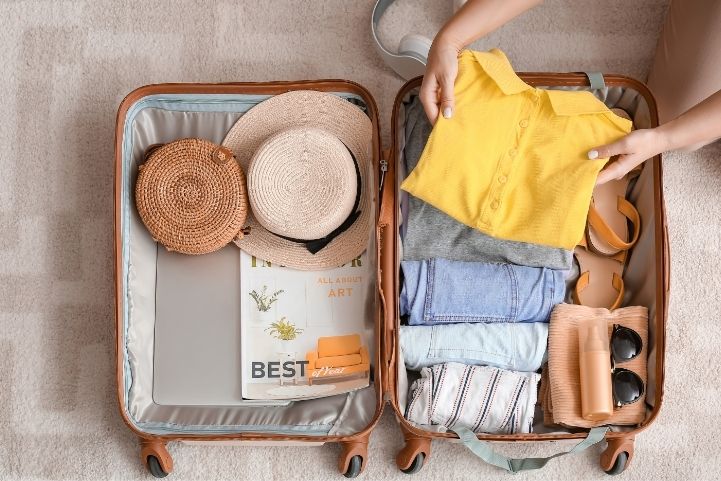
Packing efficiently saves space and reduces stress. Smart packing helps fit more in your luggage. It also keeps your items organized and easy to find. Follow simple tips to use every inch of your suitcase well.
Using Packing Cubes
Packing cubes separate clothes into neat sections. They keep items compressed and tidy. Cubes make it easy to find what you need. They also stop clothes from shifting during travel. Use different sizes for different items.
Rolling Vs Folding Clothes
Rolling clothes saves space better than folding. Rolled clothes take up less room and wrinkle less. Folding works well for stiff items like jackets. Mix rolling and folding based on fabric type. This method keeps your suitcase organized.
Essentials Vs Extras
Pack only what you really need. Essentials include clothes, toiletries, and documents. Extras like extra shoes or gadgets add bulk. Choose versatile clothes that work for many occasions. Leave behind items you can buy later.
Budget And Brand Choices
Choosing the right luggage size is important. Budget and brand choices affect your decision. Your budget sets limits on what you can buy. Brands offer different quality and features. Understanding these factors helps you pick luggage that fits your needs and wallet.
Affordable Vs Premium Luggage
Affordable luggage is good for short trips and occasional use. It often uses lighter materials and simpler designs. Premium luggage offers stronger build and extra features. It may last longer and handle rough travel better. Decide if you want to spend more for durability or save for occasional use.
Warranty And Customer Support
Check the warranty before buying luggage. Good warranties cover damage or defects. Customer support helps fix or replace broken luggage. Premium brands usually offer better service and longer warranties. Affordable brands might have limited support. Warranty adds value and peace of mind.
Popular Brands And Models
Some brands are known for quality and reliability. Samsonite, American Tourister, and Travelpro are popular choices. They offer many sizes and styles. For premium luggage, look at Tumi or Rimowa. These brands focus on durability and design. Choose a brand that fits your budget and travel style.
Frequently Asked Questions
What Luggage Size Is Best For A Weekend Trip?
A carry-on suitcase around 20-22 inches works best for weekend trips. It fits essentials without excess bulk. Most airlines allow this size as cabin luggage.
How To Pick Luggage Size For A Long Vacation?
For long vacations, choose checked luggage around 26-30 inches. It offers ample space for clothing and essentials. Remember airline weight limits when packing heavier items.
Does Luggage Size Affect Airline Baggage Fees?
Yes, larger luggage often incurs higher fees. Airlines charge based on size and weight limits. Using the right size helps avoid extra costs and delays.
What Size Luggage Fits In Airplane Overhead Bins?
Carry-on bags 22 inches or smaller typically fit overhead bins. Check airline policies for exact dimensions. A properly sized bag ensures hassle-free boarding.
Conclusion
Choosing the right luggage size makes travel easier and less stressful. Think about how long your trip will be and what you need to pack. Check airline rules to avoid extra fees. A bag that fits your style and needs saves time at airports.
Small carry-ons work well for short trips. Bigger suitcases suit longer stays. The right luggage helps you stay organized and comfortable. Pack smart, travel light, and enjoy your journey. Simple steps lead to better travel experiences every time.