
Last Updated on September 15, 2026
Choosing the right backpack might seem simple, but it can make a huge difference in your daily comfort and convenience. Whether you’re heading to work, school, or an outdoor adventure, the backpack you pick affects your posture, how much you can carry, and even your style.
You want one that fits your needs perfectly without causing strain or hassle. You’ll discover easy tips to help you find a backpack that feels like it was made just for you. Keep reading to make sure your next backpack is the best one yet.
Types Of Backpacks
Choosing the right backpack starts with knowing the types available. Each type serves a different purpose and suits different activities. This knowledge helps you pick a backpack that fits your needs perfectly.
Backpacks come in many shapes and sizes. Some are small and light. Others are large and heavy-duty. Understanding these types makes your choice easier and smarter.
Daypacks
Daypacks are small backpacks for daily use. They usually hold 15 to 30 liters. Perfect for school, work, or short trips. They are light and easy to carry. Daypacks often have simple compartments for essentials.
Hiking Backpacks
Hiking backpacks are designed for outdoor adventures. They have larger capacity, often 40 liters or more. These backpacks offer extra support and padding. They include features like water bottle holders and trekking pole attachments. Good for long hikes or camping.
Travel Backpacks
Travel backpacks focus on convenience and storage. They open like a suitcase for easy packing. Many have separate compartments for clothes, gadgets, and toiletries. Designed for comfort during long travel periods. Travel backpacks often include security features like lockable zippers.
Hydration Packs
Hydration packs include a built-in water reservoir. They allow easy drinking while on the move. Popular for biking, running, or hiking. These packs are smaller, usually 5 to 15 liters. Lightweight and designed to keep you hydrated.
Technical Backpacks
Technical backpacks serve specialized activities like climbing or skiing. They include extra straps and compartments for gear. Made from durable materials to withstand tough conditions. These packs balance functionality with comfort. Ideal for serious outdoor enthusiasts.
Key Features To Consider
Choosing the right backpack means thinking about several key features. These features affect how useful and comfortable your backpack will be. Focus on what fits your daily needs and style.
Capacity And Size
Pick a backpack size that matches your load. Small backpacks work well for light items. Larger ones suit trips or heavy gear. Avoid bags too big or too small for your needs.
Weight And Comfort
Light backpacks ease your load and reduce strain. Look for padded shoulder straps and back panels. These features make carrying easier, especially for long periods.
Material And Durability
Strong materials last longer and protect your items. Common fabrics include nylon and polyester. Choose one that resists tears and rough use.
Compartments And Organization
Multiple compartments help keep things tidy. Separate pockets for laptops, water bottles, and small items are useful. This makes finding items quick and simple.
Water Resistance And Weatherproofing
Water-resistant backpacks protect contents from rain. Look for coated fabrics or waterproof zippers. This feature is key for outdoor use or daily commuting.
Fit And Support
Choosing a backpack that fits well and offers good support is key for comfort. A backpack that fits poorly can cause pain and fatigue. Support helps carry the load evenly and reduces strain on your back and shoulders. Focus on these features to find a backpack that feels good and works well.
Choosing The Right Frame
Backpack frames come in two types: internal and external. Internal frames fit close to your back and suit most activities. External frames offer more support for heavy loads and rough terrain. Choose a frame based on your activity and how much weight you plan to carry.
Adjustable Straps And Padding
Straps should be easy to adjust for a snug fit. Look for padded shoulder straps to reduce pressure. Adjustable straps let you change the fit as you move or add weight. Well-padded straps make carrying heavy loads much more comfortable.
Hip Belts And Load Distribution
A good hip belt helps move weight from your shoulders to your hips. This reduces back strain and improves balance. The belt should be padded and adjustable for a secure fit. Proper load distribution makes long hikes or trips easier on your body.
Ventilation And Breathability
Good airflow keeps your back cool and dry. Look for backpacks with mesh panels or ventilation channels. Breathable materials prevent sweat build-up and skin irritation. Proper ventilation adds to your overall comfort during use.
Purpose And Activity
Choosing the right backpack starts with knowing its main purpose. Different activities need different types of backpacks. A bag that works for hiking may not suit daily use. Understanding your activity helps pick the best fit and features. Comfort, size, and durability depend on what you will do with it.
Backpacking And Hiking
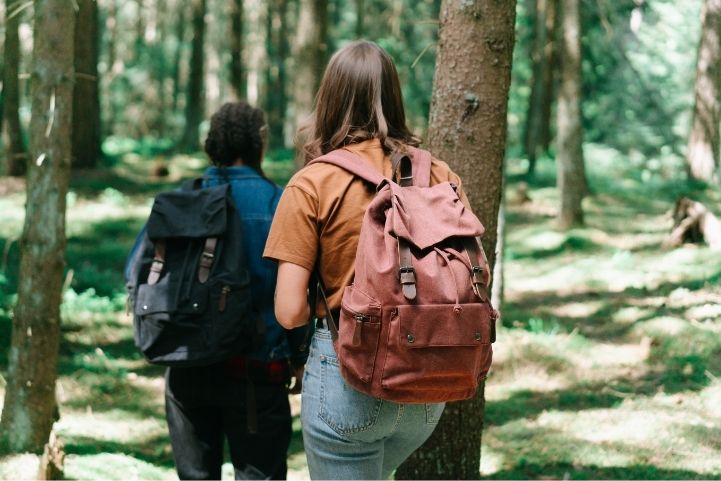
Backpacking and hiking backpacks focus on comfort and support. They have padded straps and waist belts to spread weight. These bags offer many compartments for organizing gear. Look for water resistance and sturdy materials for rough trails. Ventilation is important to keep your back cool during long walks.
Travel And Commuting
Travel backpacks often have sleek designs with easy access pockets. They include laptop compartments and secure zippers for safety. These bags are lightweight but strong to carry essentials. Many have a carry-on size for flights. Comfort features help when walking long distances or standing in lines.
Outdoor Sports And Adventures
Backpacks for outdoor sports need to be tough and flexible. They often include straps for carrying equipment like skis or bikes. Water-resistant fabrics protect against rain and mud. These bags balance storage space with a snug fit. Easy adjustment helps keep the bag steady during movement.
Everyday Use
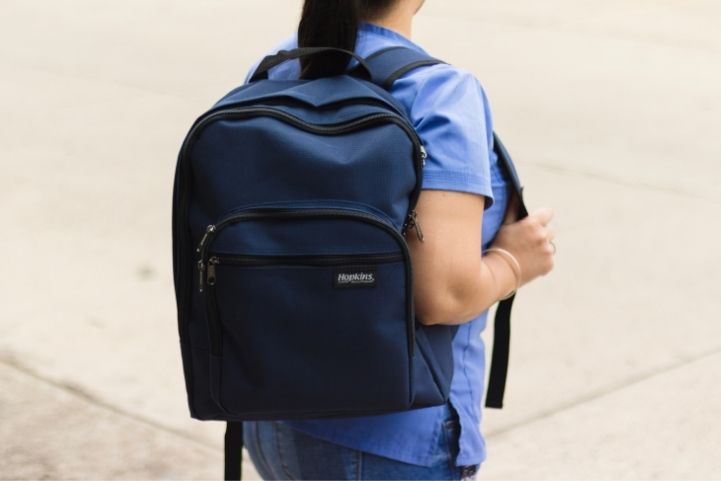
Everyday backpacks are simple and versatile. They are smaller and lighter for daily errands or school. Pockets keep items like phones, keys, and water bottles handy. Choose a bag with comfortable straps for short or long wear. Style matters too, since you will use it often.
Budget And Brand Considerations
Choosing the right backpack involves more than just style and size. Budget and brand play important roles. They affect quality, durability, and overall satisfaction. Knowing what fits your budget and which brands to trust helps make a smart choice.
Price Ranges
Backpacks come in many price ranges. Budget-friendly options cost under $50. These are good for light use or short trips. Mid-range backpacks, priced $50 to $150, offer better materials and features. High-end backpacks over $150 are designed for heavy use and durability. Decide how much you want to spend based on your needs.
Reputable Brands
Choosing a well-known brand reduces risk. Brands with good reputations often use better materials. They also design backpacks with comfort and durability in mind. Popular brands have many customer reviews to check. This helps confirm quality and performance before buying.
Warranty And Customer Support
A solid warranty shows brand confidence. It protects against defects and early wear. Some brands offer lifetime warranties on their backpacks. Good customer support is also key. It helps solve problems quickly. Always check warranty terms before purchase.
Additional Features To Look For
Choosing the right backpack goes beyond size and comfort. Extra features can improve your experience a lot. These details make your backpack more useful and practical. They help keep you organized and prepared for any trip or activity.
Hydration Compatibility
A backpack with hydration compatibility lets you carry water easily. It has a special pocket for a water bladder. A tube runs from the bladder to your shoulder strap. You can drink without stopping your walk. Great for hiking, cycling, or long trips.
Attachment Points And Gear Loops
Attachment points and gear loops help carry extra items outside the pack. You can clip on tools, helmets, or sleeping bags. These loops make your backpack more versatile. Handy for outdoor adventures or work gear.
Security Features
Security features protect your belongings during travel. Look for lockable zippers or hidden pockets. Some backpacks have RFID-blocking compartments to keep cards safe. These features reduce the risk of theft and loss.
Packability And Storage
Packability means how easily a backpack folds or compresses. Some backpacks pack small for easy storage when not in use. Extra storage compartments help keep things tidy. They separate your items and make packing quick.
Frequently Asked Questions
What Size Backpack Should I Choose For Daily Use?
Choose a backpack size based on your daily needs. For everyday use, 15 to 25 liters capacity works well. It fits essentials without being bulky. Consider your typical load and comfort when selecting the size.
How To Pick A Comfortable Backpack For Long Wear?
Look for padded shoulder straps and a breathable back panel. Adjustable straps help distribute weight evenly. Choose lightweight materials to reduce strain. Comfort features prevent soreness during extended use.
Which Material Is Best For A Durable Backpack?
Nylon and polyester are popular for durability and water resistance. They withstand daily wear and tear well. Look for reinforced stitching and quality zippers. These materials offer long-lasting performance for various activities.
Should I Choose A Backpack With Multiple Compartments?
Yes, multiple compartments help organize your belongings efficiently. They separate electronics, books, and accessories for easy access. This reduces clutter and protects fragile items. Choose a design that suits your organizational needs.
Conclusion
Choosing the right backpack makes your daily routine easier. Think about what you need to carry every day. Focus on size, comfort, and style that fit your life. A good backpack supports your back and holds your items safely. Don’t rush; take time to compare different options.
The right backpack lasts longer and feels better to use. Carry what matters with confidence and ease. Your perfect backpack is out there. Just find it.