Last Updated on August 3, 2026
Are you ready to create beautiful, handmade decor with just a few simple knots? Macrame is an easy and relaxing craft that anyone can learn, even if you’ve never tried it before.
This beginner guide to macrame knots will show you the basic techniques you need to start making your own wall hangings, plant hangers, and more. By the end, you’ll feel confident to dive into your first project and impress everyone with your new skills.
Let’s get your creativity flowing and turn simple cords into stunning art!
Basics Of Macrame
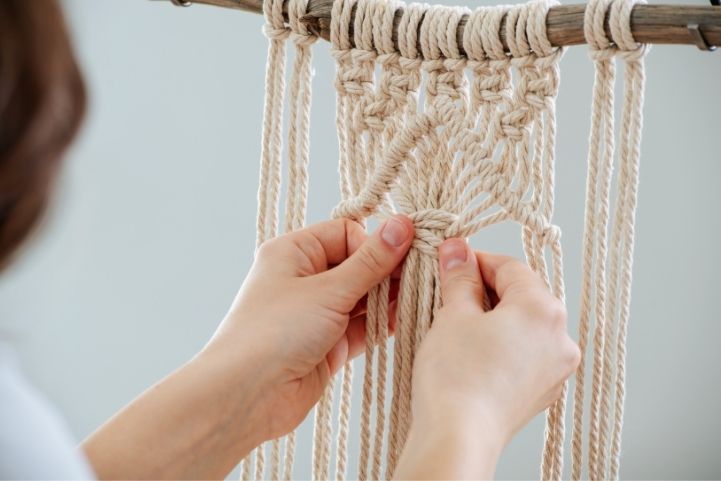
Macrame is a fun and creative craft that uses knots to make beautiful items. It is easy to learn and requires only a few materials. This guide will help you understand the basics of macrame. You will learn what you need to start and how to choose the right supplies.
Essential Materials
Start with simple materials. Cotton cords work well for beginners. They are soft and easy to knot. You can also use jute or hemp cords for a natural look. Avoid cords that are too slippery or stiff. These make tying knots harder.
Choosing The Right Cord
Choose cords that match your project size. Thin cords create delicate patterns. Thick cords make strong, bold designs. Pick a color that fits your style. Natural colors are popular for home decor. Bright colors add fun to smaller projects.
Tools You Need
Keep tools simple and useful. Scissors are a must for cutting cords cleanly. A measuring tape helps to get the right cord length. Use a clipboard or a macrame board to hold your work steady. Pins can keep cords in place while you knot.
Common Macrame Knots
Macrame is a beautiful craft that uses knots to create patterns and designs. Learning common macrame knots is the first step to making your own pieces. These knots form the base of many projects. They are easy to learn and useful for many designs. Understanding these knots helps you follow patterns and create your own styles.
Lark’s Head Knot
The Lark’s Head Knot is simple and strong. It attaches cords to a ring or dowel. Start by folding the cord in half. Place the loop behind the ring. Pull the ends through the loop. Tighten to secure the cord in place. This knot starts many macrame projects.
Square Knot
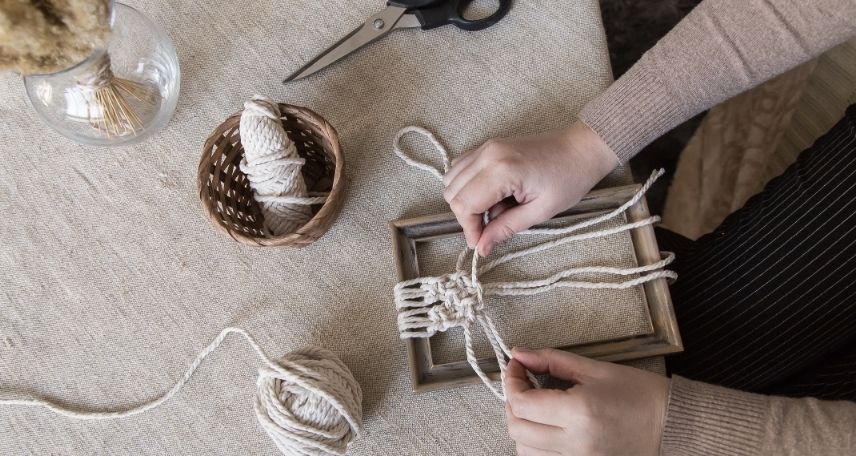
The Square Knot is common and versatile. It uses four cords. The two outer cords cross over the two center cords. First, tie a half knot with one side. Then, tie another half knot from the opposite side. Pull tight to form a flat knot. This knot makes a neat pattern.
Half Hitch Knot
The Half Hitch Knot is simple and elegant. It wraps one cord around another. Pass the working cord over and then under the base cord. Pull it tight to create a small loop. Repeat to make a line of knots. This knot adds texture to designs.
Double Half Hitch Knot
The Double Half Hitch Knot is a strong variation. It uses two half hitch knots in a row. This knot creates diagonal or horizontal lines. It holds cords firmly in place. Use it to make shapes or patterns in your work. It looks clean and precise.
Setting Up Your Project
Starting your macrame project right is very important. Proper setup helps you work smoothly and enjoy the process. It saves time and avoids frustration. The first step is to prepare all materials carefully. This section covers three main steps: measuring and cutting cord, preparing your workspace, and securing your work.
Measuring And Cutting Cord
Measure your cord based on the project size and knot complexity. Cut a little extra length to avoid running short. Use sharp scissors for a clean cut. Keep cords organized by length for easy access. Mark the cords if needed to help guide your work.
Preparing Your Workspace
Choose a clean, flat surface with good light. Clear space for all your tools and cords. Arrange items within easy reach to avoid interruptions. Use a comfortable chair to protect your back. Keep a small trash bin nearby for scraps.
Securing Your Work
Fix your cords to a sturdy base before starting knots. Use a clipboard, tape, or a macrame board. Secure cords tightly but gently to avoid damage. This keeps your work steady and your knots even. Check the hold often and adjust if needed.
Step-by-step Knotting Techniques
Learning macrame starts with understanding basic knots. These knots build the foundation for any project. Step-by-step, you will see how to create simple knots. Each knot adds strength and style to your work. Follow these easy instructions to begin your macrame journey.
Creating A Lark’s Head Base
The Lark’s Head knot is the start of many macrame projects. Fold your cord in half. Place the loop behind your ring or dowel. Pull the ends through the loop. Tighten the knot by pulling evenly on both ends. This forms a strong base for your design.
Building With Square Knots
Square knots create a flat, sturdy pattern. Take four cords: two middle and two outer cords. Cross the left outer cord over the middle cords. Bring the right outer cord over the left cord, under the middle cords, and through the loop. Tighten gently. Repeat on the other side. This completes one square knot.
Adding Texture With Half Hitch
The Half Hitch knot adds texture and curves. Use one cord as the holding cord. Wrap the working cord around it. Pull the working cord through the loop. Tighten the knot close to the holding cord. Continue making half hitch knots for a rope-like effect.
Combining Knots For Patterns
Mix knots to create unique designs. Use Lark’s Head for the base. Add rows of Square knots for strength. Insert Half Hitch knots for texture. Experiment with knot order and spacing. Patterns come alive with variety and practice.
Simple Macrame Projects
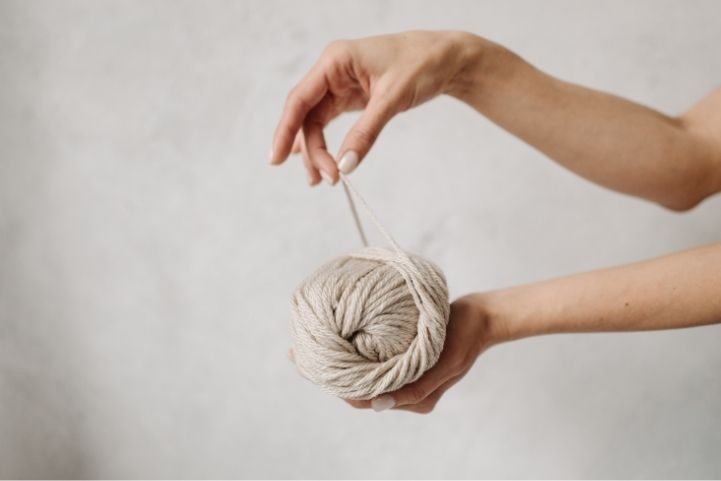
Simple macrame projects are perfect for beginners. They build your skills step by step. These projects use basic knots and easy patterns. You create beautiful items that you can use or gift. Each project helps you practice and gain confidence. Start small and enjoy the creative process.
Plant Hanger
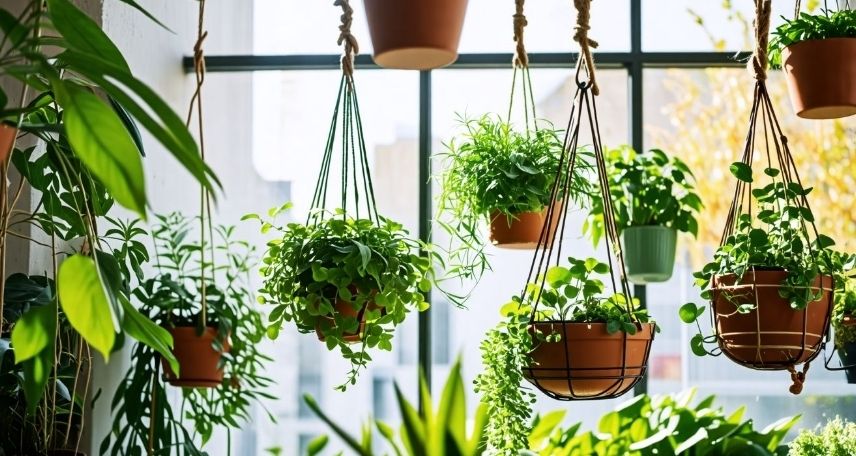
A plant hanger is a classic macrame project. It holds small pots securely. Use square knots and half hitch knots to make it. Adjust the size to fit your plant pot. It adds a natural touch to any room. Great for learning how to balance design and function.
Wall Hanging
Wall hangings bring charm to empty walls. They are simple and fun to make. Combine different knots and rope lengths for texture. Use a wooden dowel or branch as a base. Experiment with patterns and fringes. A nice way to decorate and practice knotting skills.
Keychain
Keychains are small, quick projects. Perfect for testing new knots and styles. Use cotton cord or nylon for durability. Attach a metal ring to finish it. They make great gifts or personal accessories. A simple way to keep your keys organized.
Bracelet
Bracelets are popular macrame jewelry. Learn basic knots like the square knot here. Choose colorful cords to match your style. Add beads for extra decoration. Easy to wear and share with friends. Practice knotting while creating something stylish.
Tips For Flawless Crafting
Perfect macrame knots need patience and practice. Small details make big differences. Follow these tips for flawless crafting and enjoy beautiful results every time.
Maintaining Even Tension
Keep your knots tight but not too tight. Too loose knots look messy and uneven. Hold the cords firmly while tying each knot. Check tension often to keep the pattern consistent. Even tension makes your project look neat and professional.
Avoiding Common Mistakes
Double-check the knot type before starting. Mixing knots can spoil your design. Count your cords carefully to avoid errors. Work in a well-lit space to see details clearly. Stop and fix mistakes early to save time and effort.
Finishing And Securing Knots
Secure the last knot firmly to stop unraveling. Use glue or a small knot to lock the ends. Trim excess cord neatly for a clean finish. Consider adding beads or wraps for decoration. Proper finishing keeps your work strong and lasting.
Creative Variations
Creative variations in macrame knots make your projects unique and fun. They add style and personality to simple designs. You can play with colors, textures, and shapes to create interesting patterns. Experimenting with different elements keeps your crafting exciting and fresh.
Using Colored Cords
Colored cords bring life to your macrame pieces. Bright or soft hues can change the whole look. Choose colors that match your room or outfit. You can use one color or mix several for a vibrant effect. Colored cords highlight the knots and add depth to your work.
Incorporating Beads
Beads add texture and sparkle to macrame. They slide easily onto cords and fit well with many knots. Small wooden or glass beads create a natural or elegant feel. Place beads at knot centers or between knots for variety. Beads make your design more interesting and eye-catching.
Mixing Different Knot Styles
Combining knot styles changes the look and feel of your project. Simple knots paired with complex ones create contrast. Try square knots with spiral knots for a balanced design. Mixing knots lets you build patterns with rhythm and flow. This approach shows your creativity and skill.
Frequently Asked Questions
What Are The Basic Macrame Knots For Beginners?
The basic macrame knots include the square knot, half hitch, and lark’s head knot. These knots form the foundation for most macrame projects. Learning them helps beginners create various patterns and designs easily.
How Do I Start A Macrame Project Step-by-step?
Begin by choosing your cord and cutting it to the desired length. Attach cords to a dowel using lark’s head knots. Practice basic knots, then follow your chosen pattern step-by-step to build your design.
What Materials Do I Need For Beginner Macrame?
You need macrame cord, scissors, a dowel or ring, and measuring tape. Optional tools include a comb for fraying ends and pins to hold knots in place. Choose natural cotton cords for easier handling.
How Long Does It Take To Learn Macrame Knots?
Most beginners can learn basic knots in a few hours. Mastery depends on practice and project complexity. Regular practice improves knotting speed and pattern creation skills over time.
Conclusion
Macrame knots open up a world of creative possibilities. Practice these simple knots to build your skills. Each knot adds texture and style to your projects. Keep your work neat and take your time. Small steps lead to beautiful, handmade pieces.
Enjoy the process and have fun crafting. Soon, you will create unique designs with confidence. Start today and watch your macrame art grow.