Last Updated on August 3, 2026
Looking to add a personal touch to your space without breaking the bank? Creating your own wall art is a fun and rewarding way to do just that.
But choosing the right materials can make all the difference between a project you love and one that ends up in the drawer. You’ll discover the best materials for DIY wall art projects that are easy to work with, affordable, and sure to impress.
Whether you’re a beginner or a seasoned crafter, these tips will help you bring your creative ideas to life with confidence. Keep reading to find out which materials will make your next wall art project truly stand out.
Choosing The Right Canvas
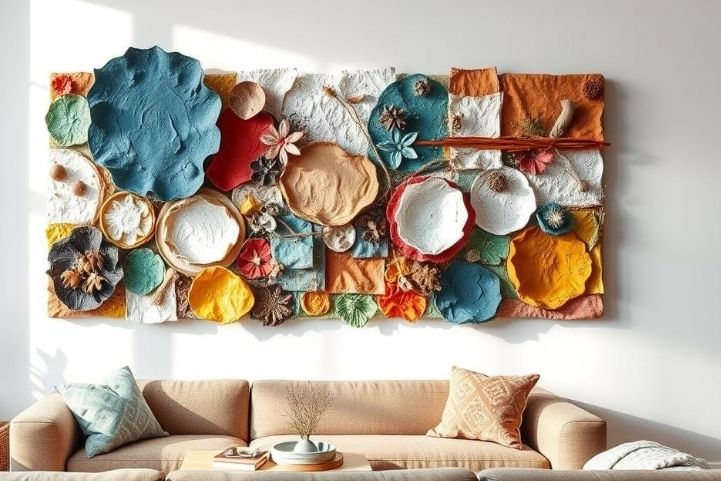
Choosing the right canvas is key for DIY wall art projects. The base affects how your art looks and lasts. Different materials offer unique textures and strengths. Pick one that suits your style and skill level. Consider durability and ease of use. This guide covers popular choices for your next project.
Wood Panels
Wood panels provide a strong, stable surface. They hold paint well and resist bending. Ideal for detailed or heavy designs. Sand the surface smooth before starting. Wood adds warmth and natural texture. Choose untreated wood to avoid chemicals.
Canvas Fabric
Canvas fabric is a classic option for wall art. It is lightweight and flexible. Stretched canvas works well with acrylic or oil paint. It offers a smooth surface for fine details. Canvas is easy to hang and move. Pre-stretched canvases save time and effort.
Recycled Materials
Recycled materials add a unique touch to your art. Old cardboard, paper, or fabric can become creative canvases. They are eco-friendly and budget-friendly. Prepare surfaces by smoothing or priming them. Recycled bases encourage experimenting with mixed media. Perfect for sustainable DIY projects.
Paints And Pigments
Paints and pigments are essential for DIY wall art projects. They bring colors to life and add personality to any space. Choosing the right paint type helps you achieve the look you want. Different paints offer different finishes and effects. Understanding the basics makes your project easier and more fun.
Acrylic Paints
Acrylic paints dry quickly and work well on many surfaces. They offer bright colors and strong coverage. These paints are water-based, so cleaning brushes is easy. Acrylics are perfect for bold and vibrant wall art. They resist fading, making your art last longer.
Watercolors
Watercolors create soft and transparent colors. They are ideal for delicate and light designs. These paints blend easily, giving a gentle look to your art. Watercolors work best on special watercolor paper or canvas. They dry fast but need careful handling to avoid smudging.
Spray Paints
Spray paints cover large areas quickly. They are great for smooth, even coats and street art styles. Spray paints come in many colors and finishes, including matte and glossy. Use them outdoors or in well-ventilated areas for safety. They create unique textures and effects on walls.
Textured Materials
Textured materials give life and depth to DIY wall art projects. They create a unique look that flat paint cannot achieve. Adding texture can make your artwork stand out and feel more interesting. These materials bring a tactile experience, inviting viewers to explore with their eyes and hands.
Modeling Paste
Modeling paste is a thick, white substance used to build texture on surfaces. It dries hard and can be shaped into patterns or raised designs. Artists often mix it with paint or apply it alone for a bold effect. It works well on canvas, wood, and paper. You can use palette knives or brushes to spread it.
Fabric And Textiles
Fabric and textiles add softness and layers to wall art. Pieces of cloth, lace, or burlap create rich textures and patterns. You can glue or stitch fabric onto a base to form shapes or backgrounds. Textile scraps bring warmth and a cozy feeling to any space. Experiment with different fabrics for varied effects.
Natural Elements
Natural elements like leaves, twigs, and sand add an organic touch. They connect your art to nature and create interesting textures. These materials are easy to collect and use in many ways. Pressed leaves or bark can be glued flat, while twigs add three-dimensional effects. Natural materials bring freshness and earthiness.
Adhesives And Fasteners
Adhesives and fasteners hold your DIY wall art together. They keep pieces in place and ensure durability. Choosing the right type depends on your materials and the wall surface. Some options work better for paper or fabric, while others suit wood or metal. Understanding glue types, tapes, nails, and hooks helps you create strong, lasting art.
Glue Types
Glue is a popular choice for DIY wall art. White glue works well for paper and lightweight materials. Hot glue sticks dry quickly and hold heavier items like wood or plastic. Craft glue offers a stronger bond for fabric and mixed materials. Always check the glue’s drying time and strength before use.
Tapes And Mounting
Tape is simple and clean for mounting art. Double-sided tape hides behind pieces for a neat look. Washi tape adds decoration and secures paper. Mounting strips hold lightweight frames without damaging walls. Choose tapes designed for your wall type to avoid peeling or damage.
Nails And Hooks
Nails offer strong support for heavy or framed art. Small finishing nails work well for delicate frames. Picture hooks come in various sizes to hold different weights. Adhesive hooks provide a no-damage option for renters. Use nails and hooks suitable for your wall material to prevent holes or cracks.
Decorative Elements
Decorative elements bring life and character to DIY wall art projects. They add texture, shine, and depth to your creations. Choosing the right materials can transform a plain wall into a stunning display. These elements are easy to work with and available in many styles. They also allow you to express your creativity freely.
Beads And Sequins
Beads and sequins add sparkle and color to wall art. They come in many shapes, sizes, and shades. You can glue them onto canvas or wood for a dazzling effect. They catch light and create a shimmering look. Using beads and sequins is perfect for festive or playful designs.
Stencils And Stickers
Stencils and stickers make patterns easy to create. Stencils guide your paint or ink for neat shapes. Stickers offer quick decoration without mess. Both can feature letters, animals, or geometric shapes. These materials suit beginners and save time on projects.
Metal And Wire
Metal and wire add a modern and industrial touch. Thin wire can shape letters, outlines, or abstract forms. Small metal pieces bring shine and texture. These materials are sturdy and last long on walls. They work well for minimalist and bold art styles.
Tools For Diy Wall Art
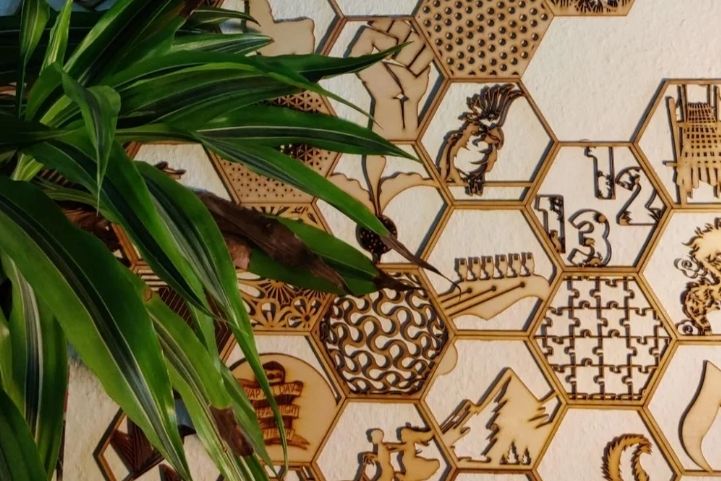
Creating your own wall art is fun and rewarding. Having the right tools makes the process easier and more enjoyable. Tools help you paint, cut, shape, and protect yourself while working. These tools suit many materials and styles.
Brushes And Rollers
Brushes come in many sizes and shapes. Small brushes help with details. Large brushes cover big areas fast. Rollers spread paint evenly on flat surfaces. Use foam rollers for smooth finishes. Choose brushes with soft bristles for delicate work. Stiff bristles work well on rough textures. Clean brushes well after use. Good brushes last longer and give better results.
Cutting And Shaping Tools
Scissors and craft knives cut paper and thin materials. Utility knives work well for tougher materials like cardboard. A cutting mat protects your table and blade. Sandpaper smooths rough edges on wood or plastic. A small saw can cut wood pieces for frames or shapes. Always measure twice before cutting. Sharp blades make clean cuts and safer work.
Safety Equipment
Safety glasses protect your eyes from dust and paint. Gloves keep your hands clean and safe from chemicals. A dust mask prevents inhaling small particles. Wear old clothes or an apron to avoid stains. Keep your workspace clean and well-ventilated. Safety helps you work longer and avoid accidents.
Sustainable And Eco-friendly Options
Sustainable and eco-friendly materials make DIY wall art kind to the planet. Choosing these options helps reduce waste and pollution. It also supports a healthier home environment. These materials are safe, natural, and easy to find. They bring a unique charm to your art projects.
Upcycled Materials
Upcycled materials come from old items given new life. Wood pallets, fabric scraps, and old picture frames work well. These items reduce landfill waste and save money. They add texture and character to your wall art. You can create something beautiful from what others discard.
Non-toxic Paints
Non-toxic paints contain fewer harmful chemicals. They are safer for your health and the environment. Water-based paints are a popular choice in this category. They dry quickly and produce less odor. Using these paints keeps your home air clean and fresh.
Biodegradable Supplies
Biodegradable supplies break down naturally over time. Materials like natural glue, paper, and jute twine are good examples. These supplies reduce plastic use and pollution. They help your art project stay eco-friendly from start to finish. Choosing biodegradable options supports a greener planet.
Frequently Asked Questions
What Are The Best Materials For Diy Wall Art Projects?
The best materials include canvas, wood panels, acrylic paint, fabric, and reclaimed wood. These offer versatility and durability for creative designs. Choose based on your style and skill level.
Which Materials Are Easiest For Beginner Diy Wall Art?
Canvas and paper are easiest for beginners. They are affordable, lightweight, and simple to work with using paints or markers. This helps build confidence and skills.
Can Recycled Materials Be Used For Diy Wall Art?
Yes, recycled materials like old wood, fabric scraps, and paper add texture and uniqueness. They are eco-friendly and budget-friendly, perfect for creative and sustainable projects.
How Do I Choose Materials For Outdoor Wall Art?
Pick weather-resistant materials like treated wood, metal, or sealed canvas. Use waterproof paints and sealants to protect your artwork from the elements and ensure longevity.
Conclusion
Choosing the right materials makes DIY wall art fun and easy. Simple supplies like canvas, wood, and paper work well. Paints, markers, and glue help bring ideas to life. Experiment with textures and colors to create unique pieces. Small projects can brighten any room quickly.
Enjoy crafting and personalizing your space with these materials. Your creativity has no limits here. Start with what you have and build from there. DIY wall art adds charm and shows your style. Keep it simple, and have fun creating!