
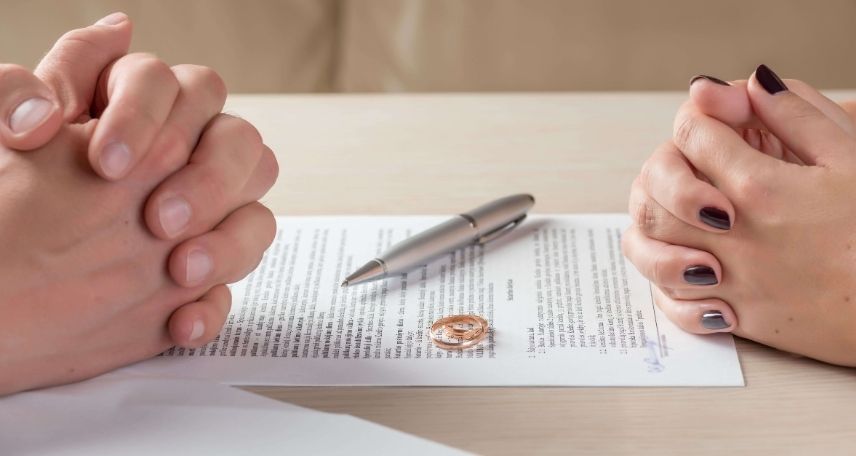
Are you feeling unsure about whether it’s time to file for divorce? You’re not alone, and making this decision can be overwhelming.
Understanding who should take the first step to file can save you stress, time, and even money. This article will guide you through the key factors to consider, helping you feel more confident about what comes next. Keep reading to discover what signs point to filing for divorce and how to know if you’re the right person to start the process.
Your clarity starts here.
Signs Of An Unhealthy Relationship

Recognizing signs of an unhealthy relationship helps you decide if divorce is the right step. Many problems can harm a marriage. These signs often show deeper issues that need attention. Understanding these clues can guide you toward a better future.
Constant Conflict And Fighting
Frequent arguments drain energy and trust. Fighting over small things becomes the norm. Calm conversations turn into shouting matches. This ongoing conflict creates stress and sadness. It breaks the bond between partners.
Lack Of Trust And Betrayal
Trust is the foundation of any marriage. Secrets, lies, or cheating destroy this base. Without trust, partners feel unsafe and unsure. Doubt replaces love and respect. This lack of honesty causes deep wounds.
Emotional Or Physical Abuse
Abuse harms both body and mind. Yelling, insults, or controlling behavior hurt feelings. Physical violence threatens safety and health. Abuse creates fear and isolation. It signals a very serious problem that must not be ignored.
Persistent Unhappiness
Feeling unhappy most of the time is a warning. Joy and comfort should exist in marriage. When sadness, loneliness, or disappointment stay, it shows trouble. This constant pain affects well-being and hope for the future.
When Communication Breaks Down
Communication is the heart of any relationship. It keeps two people connected and helps solve problems. When communication breaks down, the relationship often suffers. Small issues can grow into big fights. Trust and understanding begin to fade. Couples may feel lost or alone, even when they live together.
Not all couples can fix broken communication. Some stop trying to talk. Others feel hurt and confused. Knowing when communication breaks down helps decide if divorce is the next step. Below are signs to watch for.
Avoiding Important Conversations
One partner may refuse to talk about serious matters. Important topics get ignored or changed. This avoidance creates distance between two people. Problems stay hidden and get worse. Avoiding talks can mean fear or anger. It stops any chance of solving issues.
Feeling Ignored Or Dismissed
Feeling ignored hurts deeply. When one partner listens but does not care, it feels like rejection. Opinions and feelings get dismissed as unimportant. This makes one feel invisible or less valued. Over time, this pain can break the bond.
Inability To Resolve Issues
Every couple has problems. The key is solving them together. When partners cannot agree or talk calmly, issues pile up. Arguments become fights with no solution. Frustration grows, and respect fades. This constant conflict can push couples toward divorce.
Impact On Mental And Emotional Health
Divorce can deeply affect a person’s mental and emotional well-being. The stress from ending a marriage may cause many feelings. These feelings can shape decisions about filing for divorce.
Understanding these emotional impacts helps identify when divorce might be necessary. It also shows how mental health plays a role in this tough choice.
Experiencing Anxiety Or Depression
Many people feel anxious or sad during marital problems. Constant worry about the relationship can cause anxiety. Sadness might grow into depression if the issues persist. These feelings can affect daily life and work. Feeling overwhelmed by emotions is a clear sign something needs to change.
Loss Of Self-esteem
Marriage struggles often hurt self-confidence. Harsh words and ongoing conflict can make someone doubt their worth. Feeling unimportant or unloved lowers self-esteem. This loss can stop a person from feeling happy or hopeful. Rebuilding self-respect is hard without changes in the relationship.
Feeling Trapped Or Hopeless
Some people feel stuck in unhappy marriages. They may think there is no way out. This feeling of being trapped causes despair. Hopelessness can lead to giving up on personal dreams. A sense of freedom is crucial for mental health and growth.
Financial Concerns And Independence
Financial concerns play a big role in deciding who should file for divorce. Money affects daily life and future plans. Independence in managing finances is key for a healthy relationship. Without it, stress and conflict can grow. Understanding financial issues helps clarify when divorce might be necessary.
Financial Abuse Or Control
One partner controls all the money. The other has no access or say. This is financial abuse. It traps the victim and limits freedom. Filing for divorce can break this control. It helps regain financial power and independence.
Struggling With Joint Finances
Sharing money can cause fights. Different spending habits create tension. Debt or secret accounts worsen trust. When joint finances harm the relationship, divorce may be the answer. It allows each person to manage money alone.
Need For Financial Security
Divorce can protect future financial safety. It ensures fair division of assets. It can help secure child support and alimony. Filing protects one’s right to financial independence. This step can provide peace of mind and stability.
Effects On Children And Family

Divorce affects more than just the couple. It changes the family as a whole. The impact on children can be deep and lasting. Understanding these effects helps in making the right decisions.
Children feel the changes in their home and daily life. Their safety and well-being must come first. Parents face tough choices that shape the family’s future.
Children’s Well-being And Safety
Children need a safe and stable environment. Divorce can bring uncertainty and fear. It is important to keep routines as normal as possible. Kids need love, support, and clear communication. Their mental and physical health should be a top priority.
Parental Conflicts Affecting Kids
Arguments and tension between parents can hurt children. They may feel caught in the middle. Constant conflict can lead to anxiety and sadness. Protecting kids from fights helps them feel secure. Parents should aim for peaceful communication and cooperation.
Deciding What’s Best For The Family
Parents must think about the whole family’s needs. Divorce might be the best choice to stop harmful situations. Planning for the children’s future is key. Joint custody and shared responsibilities can ease the transition. The goal is to create a healthy environment for everyone.
Legal Considerations Before Filing
Before filing for divorce, understanding the legal aspects is crucial. It helps avoid mistakes and protects your interests. Legal rules vary by state, so knowing them saves time and stress. Preparing well can make the process smoother and fairer.
Understanding Divorce Laws
Each state has different divorce laws. These laws cover grounds for divorce, property division, and child custody. Knowing these rules helps you decide the right steps. Some states require a waiting period before filing. Others ask for proof of separation or fault. Research your state’s laws carefully before filing.
Protecting Your Rights
Divorce affects your financial and personal rights. Protecting these rights starts with knowing them. This includes property, alimony, and child support rights. Hiring a lawyer can help you understand and defend your interests. Avoid signing papers without reading them fully. Keep copies of all legal documents.
Preparing Necessary Documentation
Gather all important papers before filing. This includes marriage certificates, financial records, and property deeds. Also collect any documents related to children, like birth certificates. Organize these papers to present a clear case. Proper documentation speeds up the legal process.
When To Seek Professional Help
Deciding to end a marriage is a major step. Knowing when to seek professional help can make this process clearer and less painful. Professionals offer guidance, support, and solutions that individuals may not find alone. They help understand feelings and legal steps. They also provide tools to manage stress and plan for the future.
Marriage Counseling And Therapy
Marriage counseling helps couples talk about their problems. A therapist creates a safe space for honest talks. They guide couples to understand each other better. Therapy may save a marriage or help end it respectfully. It offers new ways to handle conflicts and improve communication.
Legal Advice And Support
A divorce lawyer explains your rights and duties during divorce. Legal help ensures fair division of property and custody. Lawyers prepare necessary documents and represent you in court. They help avoid mistakes that could cause delays or loss. Seeking legal advice early can prevent future issues.
Support Groups And Resources
Support groups connect people facing similar challenges. Sharing experiences eases feelings of loneliness and fear. Resources like books and websites offer practical advice. These groups provide emotional strength and helpful tips. They help individuals feel understood and less isolated.
Taking The First Steps To Divorce
Taking the first steps to divorce is a critical moment. It often feels overwhelming and confusing. Planning carefully can make this process easier. Clear thinking helps reduce stress and avoid mistakes.
Start by understanding your needs and goals. Think about your safety, finances, and children if any. Taking small, clear steps can help you feel more in control.
Planning Your Move
Decide where you will live after the divorce. Make sure your new place is safe and affordable. Gather important documents like IDs, bank statements, and legal papers. Keep these documents in a secure place. Plan your finances carefully to cover living costs and any legal fees. Think about your support system, such as friends or family. Planning ahead prevents surprises and helps you stay calm.
Communicating Your Decision
Telling your spouse about your decision requires care. Choose a quiet and private place for the talk. Be honest but kind to avoid unnecessary conflict. If children are involved, plan how and when to tell them. Keep the message simple and clear to avoid confusion. Consider asking for support from a counselor or mediator. Good communication can reduce stress for everyone.
Setting Realistic Expectations
Divorce is a process that takes time. Expect ups and downs along the way. Understand that emotions will be strong at times. Some days will feel better than others. Be patient with yourself and others. Focus on small goals instead of the whole process. Realistic expectations help you stay focused and calm.
Frequently Asked Questions
Who Is Eligible To File For Divorce?
Eligibility to file for divorce depends on residency and legal grounds. Generally, one spouse must meet state residency requirements. Grounds vary by state and can include irreconcilable differences or fault-based reasons like adultery or abandonment.
When Should Someone Consider Filing For Divorce?
Consider filing when the marriage is irreparably broken or abusive. Seek divorce if communication, trust, or safety cannot be restored despite efforts. Legal advice helps determine the right timing based on personal and financial circumstances.
Can One Spouse File For Divorce Without The Other’s Consent?
Yes, one spouse can file for divorce without the other’s consent. This is called a unilateral or no-fault divorce in many states. The court processes the case even if the other spouse disagrees or does not respond.
How Does Filing For Divorce Affect Child Custody?
Filing initiates legal decisions about child custody and visitation. Courts prioritize the child’s best interests in custody arrangements. Both parents can propose custody plans, but the court makes the final decision based on various factors.
Conclusion
Deciding who should file for divorce is a personal choice. It depends on your situation and feelings. Filing can start a new chapter in life. It helps to seek advice from trusted people. Knowing your rights and options is important.
Take time to think clearly before acting. Divorce is hard, but it can lead to peace. Trust yourself to make the best decision. Your future matters most.