
Are you loving your macramé plant holders but worried about dirty water ruining your plants or your beautiful decor? You’re not alone.
Many plant lovers face this tricky problem, and it can be frustrating to see your plants suffer or your macramé get stained. But don’t worry—there are simple things you can do to keep your plants healthy and your macramé looking fresh.
You’ll discover exactly what causes dirty water in your plant holders, how it affects your plants and decor, and easy steps you can take to fix it. Keep reading—you’ll be surprised how small changes can make a big difference for your indoor garden!
Impact Of Dirty Water On Plants
Dirty water can harm your plants in many ways. It carries substances that plants do not need. These substances can block roots from taking nutrients. Over time, dirty water lowers plant growth and health. Understanding what is in your water helps protect your plants. Clean water means happier, healthier plants.
Common Contaminants In Water
Water can contain many harmful substances. Dirt and sand can clog plant roots. Chemicals like chlorine and fluoride may damage leaves. Hard water has minerals like calcium and magnesium. These minerals can build up in soil and block nutrients. Sometimes water carries bacteria or algae harmful to plants. Knowing these contaminants helps you care for plants better.
Effects On Plant Health
Dirty water can slow plant growth. Roots may stop absorbing water and food. Leaves can turn yellow or brown. Plants might wilt even with regular watering. Soil can become salty or compacted. This makes it hard for roots to grow. Over time, plants become weak and may die.
Signs Of Water-related Stress
Look for yellowing or browning leaves. Wilting or drooping leaves show stress. Slow growth or small leaves are warning signs. Soil that smells bad or looks crusty is a problem. Roots may look slimy or black. Spotting these signs early can save your plants.
Materials In Macramé Plant Holders
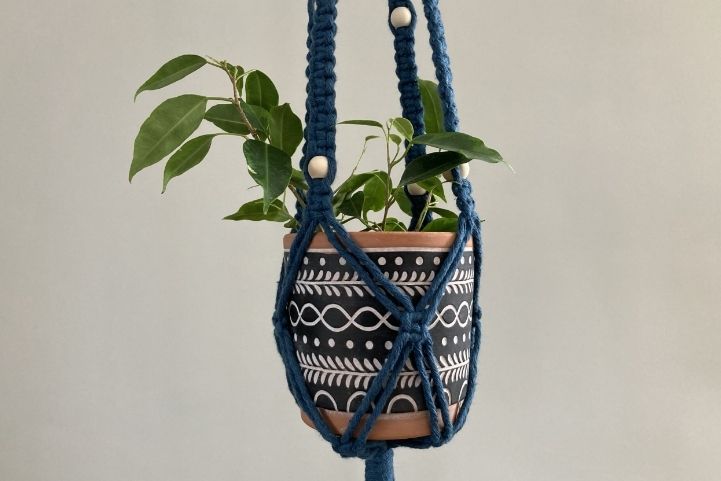
Choosing the right materials for macramé plant holders is important. It affects how the holder looks, lasts, and handles water. Understanding the types of fibers and their properties helps in picking the best option. This guide explains popular fibers, how they react to moisture, and their durability.
Popular Fibers And Their Properties
Cotton is soft and easy to knot. It has a natural look and feels gentle on plants. Jute is rougher but very strong. It gives a rustic style to the holder. Hemp is eco-friendly and tough. It resists stretching and holds shape well. Nylon is synthetic and very durable. It handles heavy plants but looks less natural. Each fiber offers a unique style and strength.
How Materials React To Moisture
Cotton absorbs water and can stay wet for a while. This may cause mold if not dried properly. Jute and hemp also soak up water but dry faster than cotton. Nylon does not absorb water, so it dries quickly. It resists mold and mildew better. Knowing how fibers handle moisture helps avoid damage to both holder and plant.
Durability And Longevity
Cotton wears out faster with constant wetness. Jute and hemp last longer but can break under heavy weight. Nylon offers the best strength and lasts the longest. Sunlight can weaken natural fibers over time. Synthetic fibers resist sunlight damage better. Picking a fiber depends on plant size and place of use.
Watering Practices For Macramé Holders
Watering plants in macramé holders needs careful attention. The woven design can hold water, causing problems. Proper watering keeps plants healthy and stops damage to the holder. Follow simple tips to water well and protect your macramé plant holders.
Best Watering Techniques
Water plants slowly to avoid spills. Use a small watering can with a narrow spout. Water the soil directly, not the macramé strings. Check if the soil is dry before watering again. Too much water can harm both plant and holder.
Avoiding Water Damage
Protect your macramé from water stains and mold. Place a plastic liner or pot inside the holder. Make sure the liner fits well without covering the knots. Wipe any water drips quickly with a cloth. Keep macramé holders away from damp walls.
Tips For Drainage And Airflow
Good drainage prevents root rot and keeps the holder dry. Use pots with drainage holes inside the macramé. Add small stones at the pot’s bottom for better water flow. Hang holders where air circulates well. This helps dry the strings after watering.
Cleaning And Maintenance
Keeping macramé plant holders clean is key for healthy plants and a fresh look. Dirt and mold can build up from dirty water. Good cleaning and care help your holders last longer and stay beautiful.
Removing Dirt And Mold
Use a soft brush to gently remove dirt on the surface. For mold, mix equal parts water and white vinegar. Lightly spray the mixture on the affected area. Let it sit for 10 minutes, then wipe clean with a cloth. Avoid scrubbing hard to protect the fibers.
Washing Macramé Holders Safely
Hand washing works best for macramé holders. Fill a basin with cold water and mild soap. Soak the holder for 10 minutes. Gently squeeze the fabric to clean. Rinse with cold water until soap is gone. Never use hot water or a washing machine. Hang to air dry, avoiding direct sunlight.
Preventing Stains And Odors
Use a plastic liner inside the holder to stop water leaks. Water plants carefully to avoid spills. Remove excess water from the holder after watering. Air out your holder regularly to prevent smells. Clean spills immediately to avoid permanent stains.
Alternatives To Traditional Watering
Watering plants in macramé holders can be tricky. Dirty water often causes stains and weakens the fibers. Traditional watering can lead to overwatering or mess. Alternatives help keep plants healthy and holders clean. These methods save time and reduce water waste.
Self-watering Systems
Self-watering systems use a reservoir to hold water. Plants absorb water through the soil as needed. This prevents overwatering and keeps the holder dry. These systems are simple to set up and maintain. They help plants get the right amount of moisture.
Using Water Filters
Filtered water removes impurities and dirt before watering plants. Filters improve water quality and protect plant roots. Clean water reduces stains on macramé holders. Using filtered water also lowers the risk of harmful bacteria. Filters are easy to install and use.
Hydroponic Options
Hydroponics grows plants without soil, using nutrient-rich water. This method keeps water clean and controlled. It prevents dirty water from affecting macramé holders. Hydroponic setups can be small and fit inside homes. They offer a modern way to care for plants.
Choosing Safe Water For Your Plants
Choosing safe water for your plants is very important. Dirty water can harm your plants and affect their growth. Clean water helps plants stay healthy and strong. It also protects your macramé plant holders from stains and damage. Knowing what water to use can make a big difference in how your plants look and grow.
Testing Water Quality
Test your water to know if it is safe for plants. Use simple water test kits from garden stores. Check for chemicals like chlorine, fluoride, and heavy metals. Test the pH level too. Ideal pH for most plants is between 6 and 7. Testing helps avoid using harmful water on your plants.
Using Tap Vs. Filtered Water
Tap water is easy to get but may contain chemicals. Some tap water has chlorine or fluoride, which can hurt plants. Filtered water removes many chemicals and impurities. It is safer for sensitive plants. Use filtered water if your tap water quality is poor. It keeps plants healthier and macramé holders cleaner.
Rainwater Collection Tips
Collect rainwater for natural and safe watering. Use clean containers to store rainwater. Keep them covered to avoid dirt and bugs. Water plants soon after collecting rainwater. Avoid using rainwater from polluted areas. Rainwater is often soft and free of harmful chemicals.
Frequently Asked Questions
Can Dirty Water Harm Macramé Plant Holders?
Yes, dirty water can stain and weaken macramé plant holders. It promotes mold growth and damages natural fibers, reducing durability and appearance.
How Often Should I Clean Macramé Plant Holders?
Clean macramé plant holders every 2-4 weeks. Regular cleaning prevents dirt buildup, mold, and fiber damage, keeping your holder fresh and long-lasting.
What Water Type Is Best For Macramé Plants?
Use clean, filtered, or distilled water for macramé plants. It prevents mineral deposits and stains, protecting the fibers and ensuring plant health.
How To Prevent Dirty Water Stains On Macramé Holders?
Place a waterproof liner or saucer under plants. This prevents water from soaking into fibers and causing stains or mold growth on macramé holders.
Conclusion
Dirty water can harm your plants and macramé holders. Clean water helps plants grow strong and healthy. Always check water quality before watering your plants. Macramé holders need care to avoid mold and damage. Regular cleaning keeps both plants and holders fresh.
Small actions make a big difference in plant health. Keep your space beautiful with clean water and care. Simple steps protect your plants and macramé art. Enjoy your green space without worry or mess.