

Planning a dinner party can feel overwhelming, especially when it comes to creating the perfect menu. You want your guests to enjoy every bite, but where do you start?
What dishes will impress without keeping you stuck in the kitchen all night? You’re about to discover 7 simple tips that will make your menu planning easy, stress-free, and sure to wow your friends. Keep reading, and you’ll have the confidence to host a dinner party everyone will remember.
Choose A Theme
Choosing a theme for your dinner party sets the tone for the entire evening. It helps you plan the menu, decor, and atmosphere. A clear theme makes the event more memorable and enjoyable for your guests. It also guides your food choices, keeping everything consistent and fun.
Match Food To Occasion
Think about the reason for your dinner party. Is it a casual get-together or a formal celebration? For a casual night, simple and comforting dishes work well. For formal events, choose elegant and refined meals. Seasonal themes also inspire your menu. Summer calls for fresh salads and grilled items. Winter suits warm soups and hearty dishes.
Consider Guest Preferences
Know your guests’ likes and dislikes before planning the menu. Ask about allergies, dietary restrictions, and favorite foods. Include options for vegetarians or those who avoid gluten. Balance flavors and textures to keep everyone happy. Offering variety shows you care about your guests’ comfort.
Balance Flavors And Textures
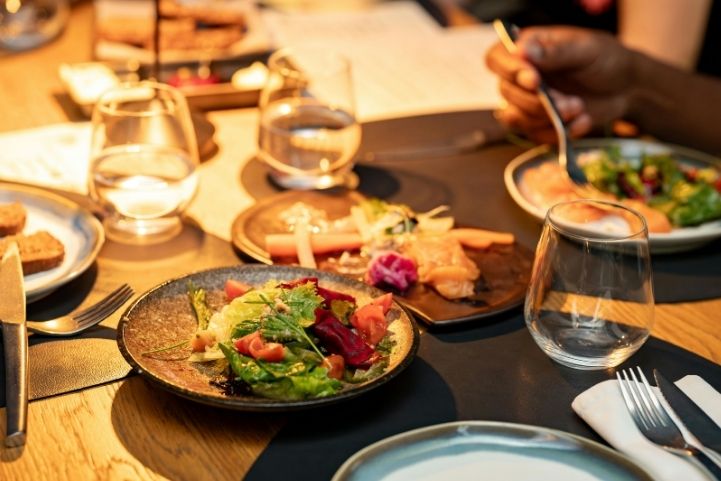
Balancing flavors and textures in a dinner party menu creates a more enjoyable meal. Guests will appreciate dishes that excite their taste buds and feel satisfying. A thoughtful mix of tastes and mouthfeels keeps each bite interesting. It also helps highlight the best parts of every dish. Planning this balance takes some care but brings great rewards.
Mix Sweet, Savory, And Spicy
Including sweet, savory, and spicy flavors adds depth to your menu. Sweetness can soften bold spices and rich savory notes. Savory flavors offer comfort and richness, making dishes hearty. A touch of spice adds excitement and warmth. Combining these flavors keeps the palate engaged. For example, serve a spicy main dish with a sweet side or dessert. This contrast makes each flavor stand out more clearly.
Include Crunchy And Soft Elements
Texture plays a big role in how food feels while eating. Crunchy items add a fun, lively bite to a meal. Soft foods feel smooth and gentle on the palate. Mixing these textures prevents the meal from feeling one-dimensional. A salad with crisp vegetables paired with creamy dressing works well. Or add toasted nuts to a soft dessert for extra crunch. This mix makes eating more enjoyable and satisfying.
Plan Courses Strategically
Planning your dinner party menu means thinking about each course carefully. Each part should flow well into the next. This helps guests enjoy every bite without feeling too full or too hungry. Choosing dishes with different textures and flavors makes the meal exciting. Balance is key to keep guests happy and satisfied throughout the evening.
Start With Appetizers
Appetizers set the tone for your dinner. Pick small, tasty bites that are easy to eat. Light options like vegetable sticks, cheese, or small dips work well. Avoid heavy or spicy starters that could spoil the main meal. Keep appetizers simple to whet the appetite, not fill it.
Select A Showstopper Main
The main dish is the highlight of your meal. Choose something special but not too complex. A well-cooked roast, pasta, or grilled fish often pleases guests. Make sure it pairs well with your starters and sides. Aim for a dish that looks nice and tastes great without too much effort.
Finish With A Light Dessert
End the meal with a dessert that feels light and fresh. Fruit salads, sorbets, or small cakes are good choices. Avoid heavy creams or large portions that leave guests feeling stuffed. A simple dessert cleanses the palate and wraps up the dinner nicely.
Accommodate Dietary Restrictions
Planning a dinner party menu means thinking about all guests’ needs. Dietary restrictions can affect what people can eat. Ignoring these can spoil the mood or cause health risks. Careful planning shows respect and makes guests feel welcome and safe.
Identify Allergies And Preferences
Ask guests about allergies before setting the menu. Common allergies include nuts, dairy, gluten, and shellfish. Also, check for food dislikes or religious dietary rules. Write down all details and avoid cross-contamination. Clear communication prevents accidents and keeps guests comfortable.
Offer Vegetarian And Vegan Options
Include dishes without meat or animal products. Vegetarians avoid meat but may eat eggs or dairy. Vegans avoid all animal products, including honey. Simple salads, roasted vegetables, and grain bowls work well. These options show thoughtfulness and include everyone at the table.
Incorporate Seasonal Ingredients

Incorporating seasonal ingredients into your dinner party menu brings freshness and flavor. Seasonal produce tastes better and often costs less. It supports local farmers and reduces the environmental impact of long-distance food transport. Seasonal ingredients help create a menu that feels timely and special. They inspire creativity and variety in your dishes. Focus on what is ripe and available in your region for the best results.
Use Fresh And Local Produce
Choose fruits and vegetables that grow nearby. Fresh produce has more nutrients and better taste. Local markets and farms are great places to find seasonal items. Buying local supports the community and encourages sustainable farming. Fresh herbs and greens add color and brightness to your dishes. Pick ingredients that are at their peak for the best flavor.
Highlight Seasonal Flavors
Design your menu around the unique tastes of each season. Spring offers tender greens and sweet peas. Summer brings juicy tomatoes and ripe berries. Autumn features squash, apples, and root vegetables. Winter highlights hearty greens and citrus fruits. Use spices and herbs that complement these flavors. Let the season guide your choices for a memorable meal.
Pair Dishes With Drinks
Pairing dishes with drinks is a smart way to enhance your dinner party experience. Drinks can bring out the flavors of your food and create a balanced taste. Choosing the right drink for each dish makes your menu more enjoyable for guests. It also shows thoughtfulness and care in your planning.
Select Wines And Cocktails
Choose wines that match the strength of your dishes. Light dishes pair well with white wines like Sauvignon Blanc or Pinot Grigio. Richer, heavier dishes suit red wines such as Merlot or Cabernet Sauvignon. For cocktails, pick flavors that complement the food. A citrusy cocktail can brighten up spicy dishes. A creamy cocktail works well with desserts. Keep your cocktails simple and fresh for easy enjoyment.
Include Non-alcoholic Choices
Offer non-alcoholic drinks that still pair nicely with meals. Sparkling water with a splash of fruit juice is refreshing. Iced tea with lemon can balance savory flavors. Non-alcoholic cocktails, or mocktails, add fun and variety. Ensure these drinks are tasty and attractive. This way, all guests feel included and cared for.
Prepare Ahead
Preparing ahead is the key to a smooth dinner party. It lowers stress and gives you more time with guests. Planning early helps you avoid last-minute rushes. It also lets you enjoy the evening without worry.
Choose Make-ahead Recipes
Select dishes that taste great even after sitting for a while. Soups, stews, and casseroles often improve with time. Salads with dressing on the side stay fresh longer. Desserts like cakes or puddings can be made the day before. This way, you spend less time cooking during the party.
Organize Cooking Schedule
Write down when to start each dish. Group tasks by kitchen area to save time. Prepare ingredients in advance, like chopping vegetables. Use timers to keep track of cooking times. This keeps everything on track and prevents overcooking. A clear schedule makes the kitchen less chaotic.
Frequently Asked Questions
What Are Key Factors For A Perfect Dinner Party Menu?
A perfect menu balances flavors, dietary needs, and presentation. Include appetizers, mains, sides, and desserts. Consider seasonality and guest preferences for a memorable experience.
How To Accommodate Dietary Restrictions In The Menu?
Ask guests about allergies or preferences in advance. Offer vegetarian, gluten-free, or dairy-free options. Label dishes clearly to avoid confusion and ensure everyone enjoys the meal.
How Many Courses Should A Dinner Party Menu Have?
Typically, 3 to 5 courses work well. Start with an appetizer, followed by a main dish and side, then dessert. This keeps guests satisfied without overwhelming them.
What’s The Best Way To Balance Flavors In Dishes?
Combine sweet, salty, sour, and umami elements thoughtfully. Use fresh herbs and spices to enhance taste. Avoid overpowering one flavor to create a harmonious meal.
Conclusion
Creating the perfect dinner party menu takes some planning and care. Choose dishes that suit your guests’ tastes and dietary needs. Keep the menu balanced with starters, mains, and desserts. Don’t forget to add variety in flavors and textures. Simple recipes often work best to reduce stress.
Prepare some items ahead to enjoy the party yourself. With these tips, your dinner party will feel warm and welcoming for everyone.