
Last Updated on May 22, 2026
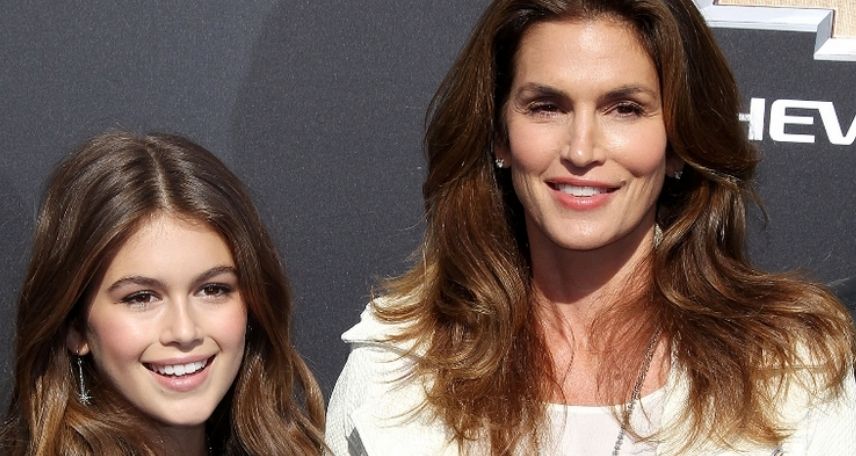
Have you ever noticed how kids often look just like their parents? It’s something you probably see every day, but have you ever stopped to wonder why?
You might think it’s just a simple family trait, but there’s a lot more going on beneath the surface. Understanding why this happens can change the way you see your own family and even yourself. Keep reading, and you’ll uncover the surprising science behind family resemblances—and why those little details matter more than you think.
Genetics And Family Traits
Genetics and family traits explain why kids often resemble their parents. Traits pass from parents to children through genes. These genes carry instructions for physical features and other characteristics. Understanding how genetics works helps explain family similarities.
Each person inherits half of their genes from each parent. These genes affect how a child looks and behaves. Family traits often appear in several generations, showing the power of genetics.
How Genes Influence Appearance
Genes control many aspects of a person’s appearance. Eye color, hair type, and skin tone come from genes. These genes work together to create unique looks. Some traits are very strong and visible. Others are subtle and may not show clearly.
Each gene has different forms called alleles. These alleles mix in children to form new combinations. This explains why children can look like one parent more than the other. Sometimes, traits blend from both parents.
Dominant And Recessive Traits
Traits can be dominant or recessive. Dominant traits usually appear if one parent passes them on. Recessive traits need both parents to carry the gene. If only one parent has a recessive gene, the child may not show that trait.
For example, brown eyes are a dominant trait. Blue eyes are recessive. A child with one brown-eye gene and one blue-eye gene will likely have brown eyes. This explains why some children look different from their parents.
Role Of Dna In Physical Features
DNA holds the instructions for building the body. It is made up of small units called nucleotides. These units form a code that guides cell functions and growth. Physical features develop based on this code.
Each person’s DNA is unique but shares similarities with family members. This shared DNA causes family members to look alike. Changes in DNA can lead to new traits in children. This is why no two people look exactly the same.
Inheritance Patterns
Inheritance patterns explain why children often share features with their parents. Genes pass from parents to children, shaping traits like eye color, hair type, and height. This process follows specific rules, which scientists study to understand how traits are inherited.
Mendelian Inheritance Basics
Mendelian inheritance describes how single genes control traits. Each person has two copies of a gene, one from each parent. These copies can be dominant or recessive. Dominant genes usually show their trait, while recessive genes show only if both copies are recessive.
For example, if a parent has a dominant gene for brown eyes, the child will likely have brown eyes. This simple pattern helps explain why some traits run clearly in families.
Polygenic Traits And Complexity
Many traits depend on several genes, not just one. These are called polygenic traits. Height, skin color, and intelligence are examples. Many genes work together to create these traits.
Because many genes influence these traits, children may look similar but not exactly the same as their parents. The mix of genes creates unique combinations in every child.
Sex-linked Traits And Their Effects
Some traits depend on genes found on sex chromosomes. These are called sex-linked traits. Boys have one X and one Y chromosome, while girls have two X chromosomes. This difference affects how traits show up.
For example, color blindness is a common sex-linked trait. It is more common in boys because they have only one X chromosome. Girls need two copies of the gene to show the trait.
Physical Resemblance Factors
Physical resemblance between parents and children happens because of many genetic factors. These factors control the traits passed from parents to kids. They shape how children look and often make them resemble their parents. Understanding these factors helps explain why kids share many physical traits with their parents.
Facial Features Passed Down
Facial features like the shape of the nose, lips, and jaw often run in families. Genes carry the instructions for these features from parents to children. Some features are dominant and appear more clearly in kids. Others might skip a generation but still influence appearance.
Eye And Hair Color Genetics
Eye and hair color come from a mix of genes from both parents. Brown eyes and dark hair usually dominate over lighter colors. This is why children often have eye and hair colors similar to one parent. Sometimes, kids get a unique mix, combining traits from both sides.
Height And Body Shape Inheritance
Height and body shape depend on many genes working together. Children often grow to a height similar to their parents. Body shape, like being tall and slim or short and stocky, also passes down through genes. Lifestyle and nutrition also affect these traits, but genes play the main role.
Beyond Genetics
Genes play a big role in how children look like their parents. But there is more to this story. Beyond genetics, many factors shape a child’s appearance. These factors can change how genes work and affect physical traits.
Environmental Influences On Appearance
Where a child grows up impacts their looks. Sunlight affects skin tone and hair color. Pollution can change skin texture. Climate also plays a role. Cold places may cause lighter skin. Warm areas often lead to darker skin. These factors add to the family traits.
Epigenetics And Gene Expression
Epigenetics means how genes turn on or off. It does not change the DNA itself. Instead, it changes how the body reads genes. Stress, diet, and environment can alter gene expression. This means children might show traits differently than their parents. These changes may pass to the next generation too.
Role Of Nutrition And Lifestyle
A child’s diet affects their growth and appearance. Good nutrition helps healthy skin, hair, and bones. Poor diet can cause problems like weak hair or skin issues. Lifestyle habits like sleep and exercise also matter. These habits support or harm the body’s natural traits.
Common Misconceptions

Many people believe children always look exactly like their parents. This idea is common but not always true. Kids share traits with parents but do not always appear identical. Several myths confuse how genetics really works.
This section clears up these common misconceptions. It explains why children may look different from parents despite shared genes.
Why Not All Kids Look Identical
Children inherit genes from both parents, not just one. This mix creates unique combinations. Even siblings can look very different. Each child gets a different set of traits. This makes it rare for kids to look exactly like one parent.
Influence Of Genetic Variation
Genes come in many forms, called alleles. Parents pass different alleles to each child. These variations affect eye color, hair, and other features. Sometimes, a child might look more like a grandparent than a parent. Genetic variation adds diversity to families.
Impact Of Random Genetic Mixing
During reproduction, chromosomes shuffle randomly. This process is called recombination. It mixes genes in new ways every time. This random mixing ensures no two children are genetically the same. It explains why kids often look unique even with shared parents.
Frequently Asked Questions
Why Do Children Inherit Physical Traits From Parents?
Children inherit physical traits through genes passed from parents. These genes determine features like eye color, hair type, and facial structure.
How Much Do Genetics Influence Kids’ Appearance?
Genetics play a major role in a child’s appearance. About 50% of a child’s genes come from each parent, shaping looks.
Can Environment Affect How Kids Look Like Parents?
Environment has minimal impact on physical features. However, nutrition and health can influence a child’s overall growth and appearance.
Why Do Some Siblings Look Different From Parents?
Siblings inherit different gene combinations. This genetic variation causes siblings to look unique, even if they share the same parents.
Conclusion
Children often share traits with their parents because of genes. Genes carry information that shapes how we look. Parents pass these genes to their kids. This makes family members resemble each other. But, environment and experiences also play a part.
Each child is unique, even with similar genes. This shows how nature and nurture work together. Understanding this helps us appreciate family bonds more. It also explains why we see resemblances in families everywhere. The link between parents and kids is both simple and fascinating.