Last Updated on August 3, 2026
Are you tired of hearing your baby cry nonstop and wondering what you can do to soothe them quickly? You’re not alone.
Every parent faces this challenge and wants to find the best ways to calm their little one. You’ll discover simple, effective techniques that many parents use to stop babies from crying. These tips can help you feel more confident and bring peace to your home.
Keep reading to learn how to comfort your baby and create those peaceful moments you both deserve.
Common Reasons Babies Cry
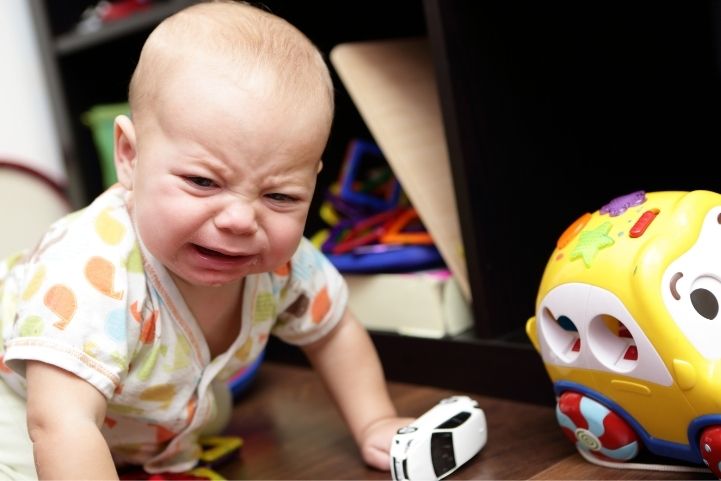
Babies cry to share their feelings and needs. It is their way of talking before they can speak. Understanding why a baby cries helps parents respond quickly and calmly. Knowing common reasons behind the crying makes parenting easier and less stressful.
Hunger And Thirst
Hunger is the most common cause of crying. Babies need frequent feeding to grow. Thirst can also cause fussiness, especially in warm weather. Signs of hunger include lip smacking and sucking motions. Feeding often stops the crying quickly.
Discomfort And Pain
Babies cry if they feel uncomfortable or hurt. Wet diapers, tight clothes, or being too hot or cold can upset them. Sometimes, pain from teething or illness causes crying. Checking the baby’s body can help find the cause.
Need For Sleep
Tired babies cry when they cannot fall asleep. Sleep is very important for their growth and mood. Signs of tiredness include rubbing eyes and yawning. A calm and quiet environment helps them rest better.
Desire For Attention
Babies want to feel loved and secure. Crying can mean they want to be held or talked to. Parents’ touch and voice comfort babies and stop their cries. Spending time together builds trust and closeness.
Overstimulation Or Boredom
Too much noise or activity can upset a baby. Overstimulation makes them feel overwhelmed and cause crying. Boredom can also lead to fussiness. A change of scenery or a quiet moment often calms them down.
Soothing Techniques Parents Use
Babies cry to express their needs and feelings. Parents learn many ways to calm their little ones. These soothing techniques help babies feel safe and comfortable. Parents often try different methods to find what works best for their baby.
Feeding And Burping
Hunger is a common reason babies cry. Feeding helps calm them quickly. After feeding, babies may need burping. Trapped gas can cause discomfort and tears. Parents gently pat or rub the baby’s back to release gas. This simple step often stops crying fast.
Swaddling For Comfort
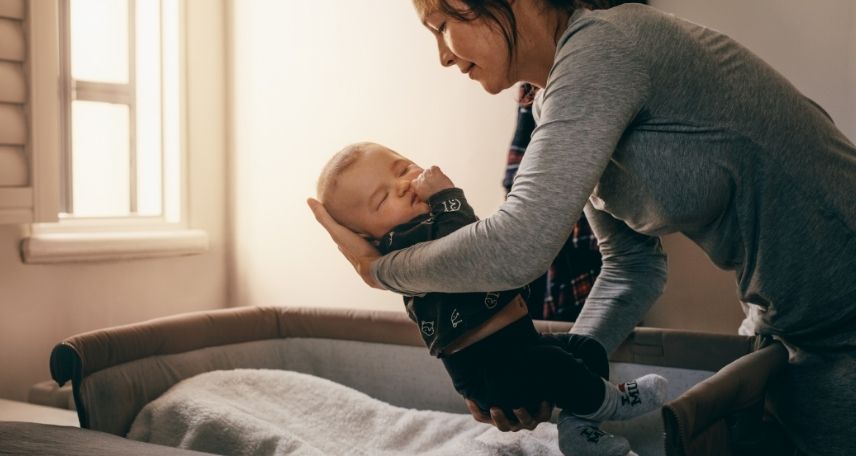
Swaddling wraps babies snugly in a soft cloth. It mimics the cozy feeling of the womb. This can make babies feel safe and calm. Swaddling helps reduce startle reflexes that wake them. Parents must wrap securely but not too tight for safety.
Gentle Rocking And Movement
Rocking soothes babies by mimicking womb movements. Parents gently sway or bounce their baby in arms. Using a rocking chair or baby swing also works well. This steady motion calms the baby’s nervous system. It often helps babies stop crying and fall asleep.
Using White Noise
White noise sounds like a steady hum or whoosh. It reminds babies of the womb’s constant noises. Parents use machines, apps, or household sounds like fans. White noise masks sudden noises that might scare babies. It creates a calm background that helps babies relax.
Pacifiers And Sucking
Sucking is a natural way for babies to soothe themselves. Pacifiers provide a safe object to suck on. Many babies stop crying once they start sucking. Parents choose pacifiers that fit well and are safe. This simple tool can bring quick comfort to upset babies.
Creating A Calm Environment
Creating a calm environment helps soothe a crying baby. Babies feel safe in peaceful settings. Parents can reduce crying by making small changes at home. These changes help babies relax and feel secure.
Dim Lighting And Quiet Spaces
Bright lights can upset babies and make them cry. Dim lighting creates a soft and calm atmosphere. Quiet spaces reduce noise that can startle or stress babies. Parents should find a calm corner for their baby to rest.
Maintaining A Consistent Routine
Babies like knowing what to expect next. A regular routine helps them feel safe and calm. Feeding, sleeping, and playtime at the same hours ease fussiness. Parents should keep routines steady every day.
Comfortable Room Temperature
Too hot or too cold rooms make babies uncomfortable. A cozy room temperature helps babies relax and stop crying. Parents can use a thermometer to check the room’s warmth. Dress the baby in soft, breathable clothes for comfort.
Reducing Overstimulation
Too many sights, sounds, or activities can overwhelm babies. Overstimulation often leads to more crying and fussiness. Parents should limit loud noises and bright colors. Calm, simple surroundings help babies feel safe and quiet.
Health And Hygiene Tips
Keeping babies calm often starts with good health and hygiene habits. Babies cry for many reasons, but discomfort from illness or hygiene issues is common. Parents can help by checking for signs of sickness, making sure diapers are clean, and dressing babies properly. These simple steps can make a big difference in soothing a crying baby.
Checking For Illness Or Discomfort
Babies cannot tell us when they feel unwell. Parents must watch for signs like fever, rash, or unusual fussiness. Check the baby’s temperature if crying lasts long. Look for swollen gums or ear pulling, which may show pain. Early detection helps parents address problems quickly and ease the baby’s discomfort.
Diaper Changes And Skin Care
Wet or dirty diapers cause irritation and crying. Change diapers often to keep the baby dry and happy. Clean the diaper area gently with warm water or wipes made for sensitive skin. Applying a mild diaper cream prevents rashes. Healthy skin feels comfortable and reduces crying episodes.
Proper Clothing Choices
Dress babies in soft, breathable fabrics. Avoid tight or scratchy clothes that can irritate the skin. Check the room temperature and add or remove layers as needed. Overheating or feeling cold can make babies uncomfortable. Comfortable clothing helps babies stay calm and cry less.
Emotional Support And Bonding
Babies cry to show their needs and feelings. Emotional support helps calm them. Bonding builds trust and comfort. It also helps babies feel safe and loved. Parents use gentle ways to connect. This connection stops crying and soothes babies.
Holding And Cuddling
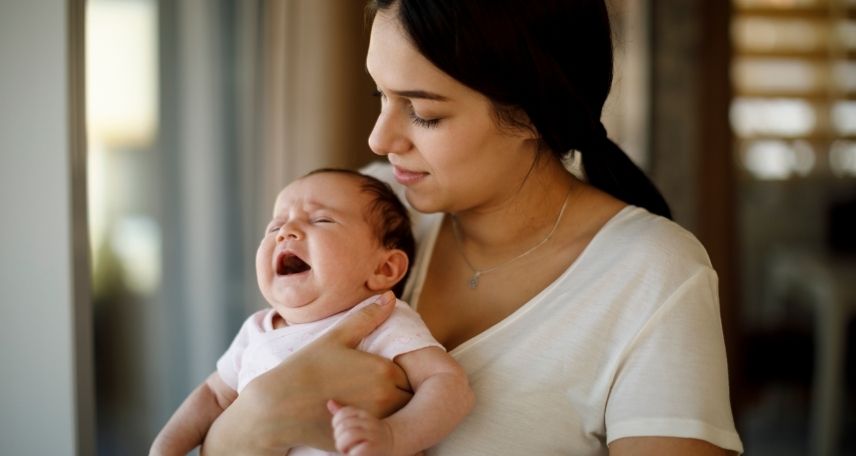
Parents hold babies close to share warmth. Skin-to-skin contact helps calm babies fast. Gentle cuddles make babies feel safe. Holding also slows down a baby’s breathing and heart rate. This calms their body and mind. Babies learn to trust when held often.
Talking And Singing Softly
Soft voices soothe babies quickly. Parents talk or sing in a calm tone. This sound comforts babies and stops crying. Simple words and lullabies feel familiar and safe. Babies respond well to gentle, loving sounds. It helps them relax and smile.
Responding Promptly To Cries
Parents answer cries without delay. Quick response shows babies they are cared for. This lowers stress and stops crying sooner. Babies feel secure when needs are met fast. It helps build a strong emotional bond. Trust grows with every quick response.
When To Seek Professional Help

Knowing when to seek professional help is important for every parent. Babies cry to communicate. Sometimes crying means a serious problem. Parents should watch for signs that need a doctor’s care. Early help can protect a baby’s health and comfort.
Signs Of Medical Issues
Crying that sounds very different might signal pain. Look for unusual body movements or stiffening. A baby who is hard to soothe might have an ear infection or colic. Fever, rash, or vomiting with crying need immediate attention. Watch for trouble breathing or feeding problems too.
Persistent Crying Patterns
Crying that lasts many hours each day is a concern. Babies who cry nonstop for more than three hours could need medical advice. Parents should note how often and when crying occurs. Patterns may help doctors find the cause. Persistent crying can affect both baby and parent well-being.
Consulting Pediatricians
Pediatricians know how to check for health issues. They ask questions about the baby’s habits and family history. Doctors perform exams to find pain or illness. Tests can rule out allergies or infections. Early visits help parents learn ways to comfort their baby better.
Frequently Asked Questions
How Do Parents Soothe A Crying Baby Quickly?
Parents often use gentle rocking, soft singing, or a pacifier to calm a crying baby. These methods comfort and distract the infant, helping to reduce fussiness and promote relaxation.
What Are Common Reasons Babies Cry?
Babies cry due to hunger, tiredness, discomfort, or needing a diaper change. Crying is their way to communicate basic needs or distress to parents.
Can Swaddling Help Stop Babies From Crying?
Yes, swaddling mimics the snug womb environment, making babies feel secure. It often helps reduce crying and promotes better sleep.
How Does White Noise Calm A Crying Baby?
White noise mimics sounds heard in the womb, providing a soothing environment. It helps mask other noises and comforts babies, reducing their crying.
Conclusion
Parents try many ways to calm their crying babies. They hold, rock, or gently sing to soothe them. Feeding or changing diapers often helps stop tears. Sometimes, babies just need quiet and comfort. Every baby is different, so patience is key.
Understanding these simple steps makes parenting easier. Caring and staying calm helps babies feel safe. Small actions can bring big relief for both. Keep trying; love and time work wonders.