
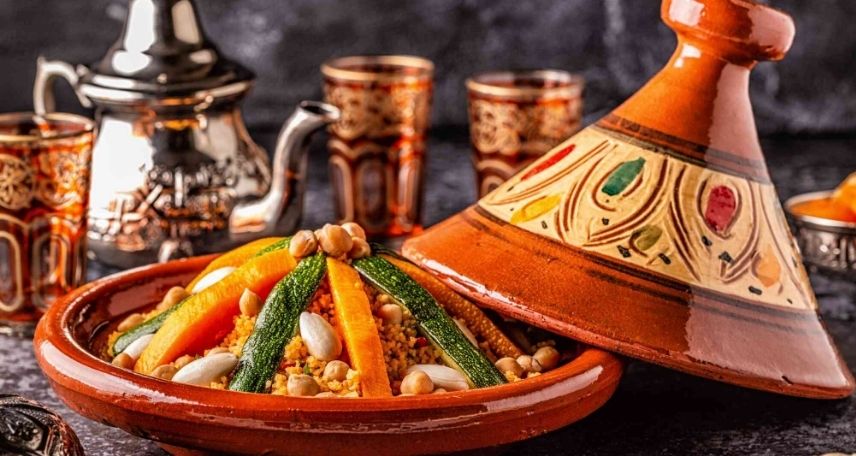
Are you ready to bring the rich flavors of Morocco straight to your kitchen? Making a traditional Moroccan tagine might sound complicated, but it’s simpler than you think.
This slow-cooked dish is packed with spices, tender meat, and vibrant vegetables that will delight your taste buds and impress anyone you serve it to. Imagine the aroma filling your home as the tagine simmers, creating a cozy, unforgettable meal.
Keep reading, and you’ll discover easy steps to create this authentic dish that will make your dinner truly special.
Moroccan Tagine Basics
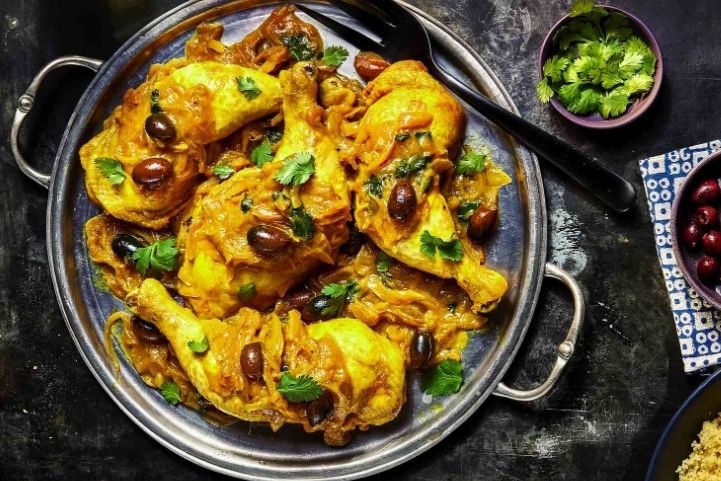
A Moroccan tagine is more than a meal. It is a symbol of tradition and slow cooking. Understanding the basics helps you appreciate its unique flavors and history. This section covers the origins, the special pots, and the key ingredients needed.
Origins And Cultural Significance
The tagine originated in North Africa, especially Morocco. It is a dish named after the pot used to cook it. Tagines have been part of Moroccan culture for centuries. They represent family, gatherings, and hospitality. Cooking with a tagine allows flavors to mix slowly and deeply. This method preserves the nutrients and taste of each ingredient.
Types Of Tagine Pots
Tagine pots are made from clay or ceramic. They have a wide, shallow base and a tall, cone-shaped lid. This shape helps steam circulate and keeps food moist. Some tagines have colorful, hand-painted designs. Others are plain but very durable. You can use tagines on a stovetop or in an oven. Electric tagines are also available for easy use.
Essential Ingredients
Tagine recipes vary, but some ingredients appear often. Common spices include cumin, ginger, cinnamon, and saffron. Fresh herbs like cilantro and parsley add bright flavors. Meat options include chicken, lamb, or beef. Vegetables such as carrots, potatoes, and olives are popular. Dried fruits like apricots or raisins add sweetness. Olive oil and preserved lemons complete the dish.

Credit: moroccanzest.com
Selecting Ingredients
Selecting the right ingredients is key to making an authentic Moroccan tagine. Each element plays a role in creating rich, deep flavors. Freshness and quality matter the most. The right meat, vegetables, and spices bring the dish to life.
Choosing The Right Meat
Traditional tagines often use lamb or chicken. Lamb adds a rich, hearty flavor. Chicken is lighter and cooks faster. Choose meat with some fat for tenderness. Fresh cuts enhance the overall taste. Trim any excess fat but keep some for moisture.
Fresh Vegetables And Spices
Common vegetables include carrots, potatoes, tomatoes, and onions. Use fresh, firm vegetables for the best texture. Spices give tagine its signature taste. Ground cumin, ginger, turmeric, and cinnamon are essential. Fresh garlic and preserved lemons add zest. Use spices in balanced amounts to avoid overpowering flavors.
Optional Additions
Olives and dried fruits like apricots or raisins bring sweetness and depth. Fresh herbs such as cilantro and parsley brighten the dish. Nuts like almonds or pine nuts add crunch. These extras enhance but do not replace main ingredients. Add them thoughtfully to keep the dish balanced.
Preparing The Tagine
Preparing a traditional Moroccan tagine is a careful process. Each step helps build deep, rich flavors. Taking time with the preparation makes the dish special. The pot, ingredients, and spices all need attention before cooking. This ensures the best taste and texture.
Soaking And Seasoning The Pot
Start by soaking your tagine pot in water for at least an hour. This prevents cracks during cooking. After soaking, dry it well. Rub the inside with olive oil to season the pot. This helps create a natural non-stick surface. Heat the pot slowly on low for 30 minutes. Let it cool before adding food. This step protects your tagine and improves flavor.
Prepping Meat And Vegetables
Choose fresh meat like lamb or chicken for authentic taste. Cut the meat into medium pieces. Wash and chop vegetables into even sizes. Common choices include carrots, potatoes, and onions. Keep pieces uniform to cook evenly. Season the meat lightly with salt and pepper. Prepare garlic and fresh herbs like cilantro and parsley. These add freshness to the dish. Organizing your ingredients makes cooking smoother.
Making The Spice Blend
Mix warm spices for the classic Moroccan flavor. Use ground cumin, coriander, ginger, and turmeric. Add cinnamon and paprika for sweetness and depth. A pinch of saffron adds a unique aroma. Blend the spices thoroughly. This blend is the heart of the tagine’s taste. Sprinkle the mixture over the meat and vegetables. Toss gently to coat everything evenly.
Cooking Process
The cooking process is key to making a traditional Moroccan tagine. It brings out deep flavors and tender textures. Cooking a tagine slowly helps all spices blend well. This method creates a rich and aromatic dish. Follow these steps to cook your tagine perfectly.
Layering Ingredients
Place the thickest ingredients, like meat or root vegetables, at the bottom. This ensures they cook well and stay moist. Add lighter vegetables and fruits on top. Herbs and spices go last, so their flavors stay fresh. Pour a little liquid, such as broth or water, to keep ingredients moist.
Cooking On Stove Vs Oven
Cooking a tagine on the stove uses low heat under the lid. This method is traditional and keeps flavors rich. Use a heat diffuser for even cooking. Oven cooking is also good. Set the tagine in a low oven, around 325°F. This gives steady heat and cooks the dish slowly. Both methods work well. Choose based on your kitchen setup.
Simmering And Timing Tips
Simmer the tagine gently for 1.5 to 3 hours. Avoid boiling, which can dry out the dish. Check occasionally to add liquid if needed. The meat should be tender and easy to pull apart. Vegetables should be soft but not mushy. Slow cooking allows spices to deepen and blend flavors nicely.
Serving Suggestions
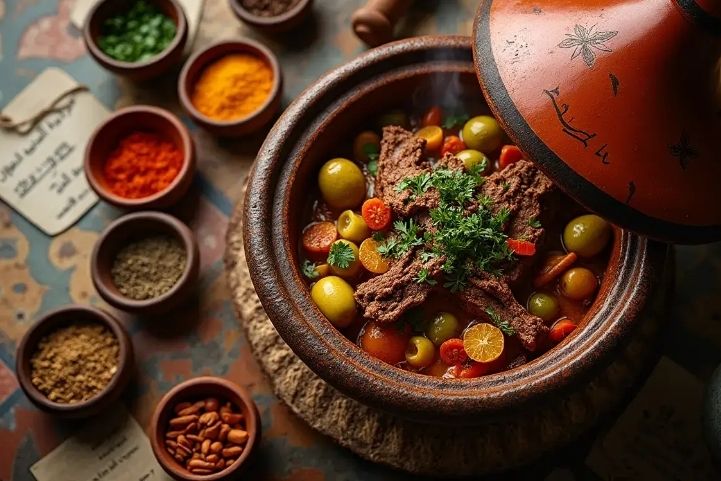
Serving a traditional Moroccan tagine is as important as cooking it well. The right sides and presentation bring out the best flavors. Proper storage and reheating keep the dish delicious for later meals. These tips help you enjoy your tagine fully.
Traditional Accompaniments
Serve tagine with warm, fresh bread. Khobz, a Moroccan round bread, is perfect. It soaks up the rich sauce beautifully. Couscous is another common side. It adds texture and soaks the flavors well. A simple salad with fresh herbs and lemon balances the meal. Olives and preserved lemons add authentic taste. These sides create a full Moroccan experience.
Presentation Tips
Use the tagine pot for serving. It keeps food warm and looks authentic. Sprinkle chopped fresh cilantro or parsley on top. Add a few toasted almonds or sesame seeds for crunch. Use colorful, rustic plates to enhance the look. Serve with small bowls of side dishes. These details make the meal inviting and special.
Storing And Reheating
Store leftover tagine in an airtight container. Keep it in the refrigerator for up to three days. Reheat gently on low heat to keep flavors intact. Stir occasionally to warm evenly. Avoid microwave reheating if possible; it can dry out the sauce. Use a covered pan to keep moisture. Proper reheating keeps the tagine tasty and fresh.

Credit: www.youtube.com
Common Mistakes To Avoid
Making a traditional Moroccan tagine is a rewarding experience. Many cooks face common problems that affect the taste and texture. Avoiding these mistakes can help you create an authentic and delicious dish. Here are some key errors to watch out for.
Overcooking Meat
Meat overcooked in a tagine becomes dry and tough. Slow cooking is important, but too long can ruin the texture. Check the meat often to keep it tender and juicy. Use a low heat to allow gentle cooking without drying out the meat.
Using Wrong Spices
Moroccan tagine has a special spice mix. Using the wrong spices changes the flavor completely. Stick to traditional spices like cumin, coriander, ginger, and cinnamon. Avoid overpowering the dish with too much salt or strong spices. Balance is key for an authentic taste.
Ignoring Pot Preparation
Preparing the tagine pot is essential for even cooking. Season a new clay tagine with oil and water before use. This prevents cracks and keeps food from sticking. Skipping this step can damage the pot and spoil your meal.
Variations And Modern Twists
The traditional Moroccan tagine offers rich, deep flavors. Many people enjoy trying new versions. These variations keep the dish fresh and exciting. Modern cooks blend old recipes with new ideas. This section explores popular twists on the classic tagine.
Vegetarian And Vegan Options
Tagine recipes suit plant-based diets well. Use chickpeas, lentils, or beans as protein. Add vegetables like carrots, zucchini, and potatoes. Sweet fruits such as apricots or prunes add balance. Spices like cumin and cinnamon bring warmth. These options make tagine hearty without meat.
Fusion Flavors
Mix Moroccan spices with other world flavors. Try adding soy sauce or ginger for an Asian touch. Use Mexican chilies to add a spicy kick. Combine with Italian herbs like basil or oregano. Fusion tagines offer new tastes while respecting tradition. Experimenting creates unique dishes to enjoy.
Quick Tagine Recipes
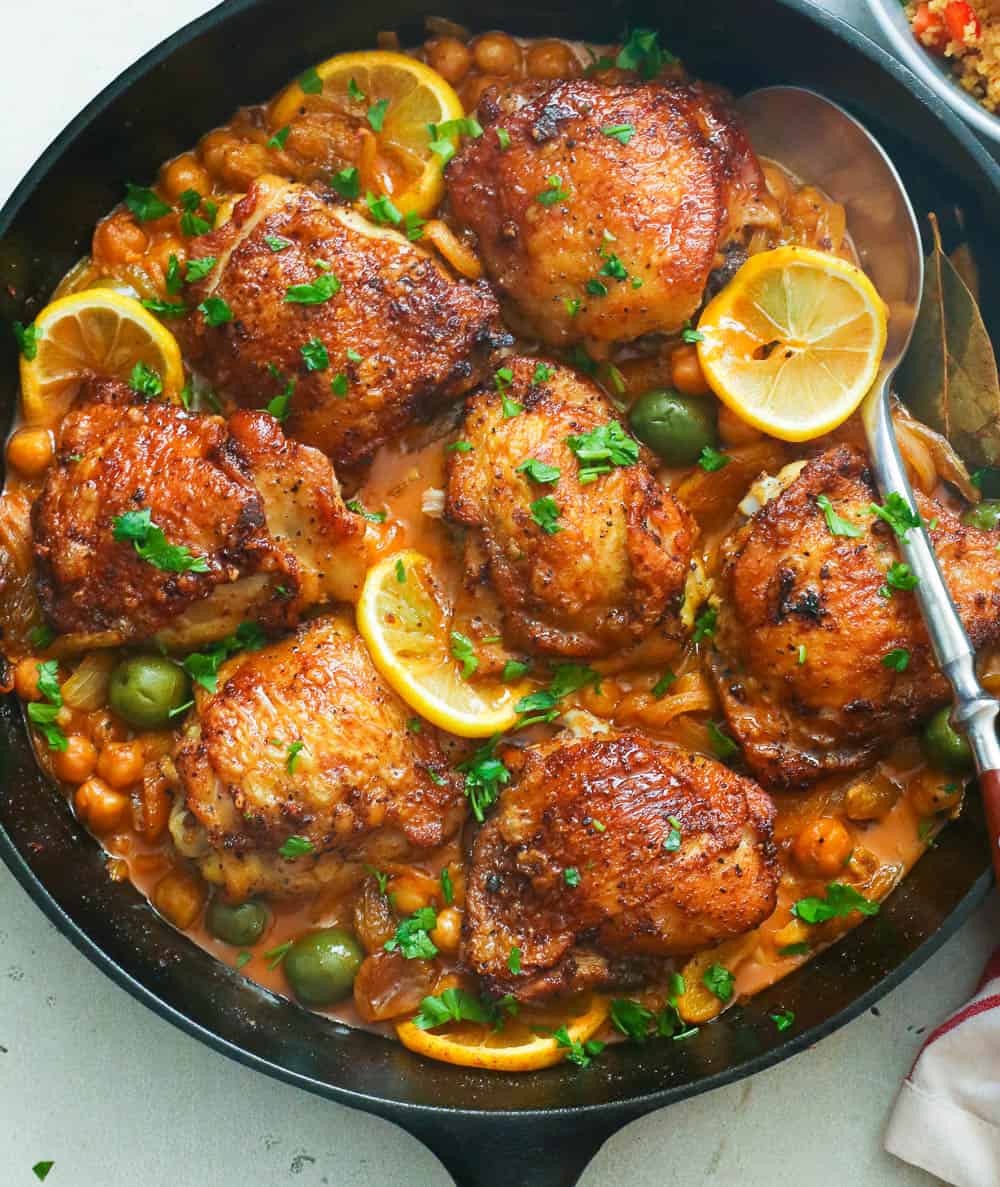
Traditional tagines take time to cook slowly. Quick recipes use a skillet or pressure cooker. Cut ingredients smaller for faster cooking. Use ready-made spice mixes to save prep time. These shortcuts help bring tagine to the table fast. Perfect for busy days but still full of flavor.
Credit: www.africanbites.com
Frequently Asked Questions
What Is A Traditional Moroccan Tagine?
A traditional Moroccan tagine is a slow-cooked stew made in a special clay pot. The pot’s conical lid helps circulate steam, keeping food moist and flavorful. Tagines often include meat, vegetables, and aromatic spices like cumin, cinnamon, and saffron, creating rich, tender dishes.
What Ingredients Are Needed For Moroccan Tagine?
Key ingredients include meat (chicken, lamb, or beef), vegetables, dried fruits, and spices. Common spices are cumin, ginger, cinnamon, turmeric, and saffron. Fresh herbs like cilantro and parsley add brightness. Olive oil and preserved lemons are also essential for authentic Moroccan flavor.
How Long Does It Take To Cook A Tagine?
Cooking a tagine typically takes 1. 5 to 3 hours on low heat. Slow cooking allows flavors to meld and meat to become tender. Using a tagine pot on a stovetop or in an oven ensures even heat distribution for the best results.
Can I Make Tagine Without A Tagine Pot?
Yes, you can use a heavy-bottomed pot or Dutch oven instead. These alternatives mimic the tagine’s slow cooking and moisture retention. Cover the pot tightly to trap steam, ensuring the dish stays tender and flavorful, similar to traditional tagine cooking.
Conclusion
Making a traditional Moroccan tagine is simple and rewarding. Fresh ingredients and spices create rich, deep flavors. Cooking slowly lets the taste develop fully. Use a tagine pot or a heavy pan with a lid. Serve with bread or couscous for a complete meal.
This dish brings warmth and comfort to your table. Enjoy the process and the delicious results. Try it again with different ingredients to explore new tastes. Cooking Moroccan tagine is a great way to enjoy world flavors at home.