
Last Updated on August 3, 2026
Imagine your family gathered around, sharing stories, laughter, and moments that feel like they belong to your own special world. Strong family traditions do more than fill your calendar—they create lasting bonds and memories that shape your family’s story for years to come.
But how do you start building these traditions that everyone looks forward to? This article will guide you step-by-step on how to create meaningful rituals that bring your family closer, making every moment count. Ready to transform ordinary days into unforgettable memories?
Let’s dive in.
Benefits Of Family Traditions
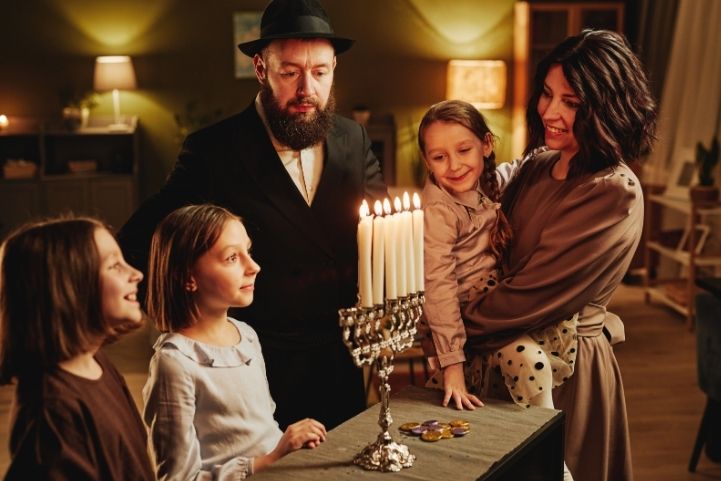
Family traditions bring people closer and create lasting memories. They give every family member something to look forward to. Traditions provide comfort and stability during difficult times. They help build a strong family foundation that lasts for years. Below are some key benefits of family traditions.
Strengthening Family Bonds
Family traditions create special moments shared by everyone. These moments build trust and love among family members. They encourage regular time together, which deepens relationships. Doing activities as a family increases feelings of belonging. Strong bonds help families support each other better.
Creating A Sense Of Identity
Traditions shape a family’s unique culture and values. They help members understand their roots and history. This sense of identity boosts confidence and pride. Family stories and rituals give meaning to everyday life. Identity through tradition helps children feel secure and grounded.
Promoting Emotional Well-being
Family traditions bring joy and reduce stress for all ages. They create happy memories that improve mood and outlook. Regular rituals provide comfort during times of change or loss. Traditions help family members express love and care openly. Emotional well-being grows stronger with consistent family support.
Choosing Meaningful Traditions
Choosing meaningful traditions is the heart of building strong family bonds. Traditions give your family a unique identity and create lasting memories. They reflect what matters most to your family and bring everyone closer. Every family is different, so traditions should fit your values and lifestyle. Thoughtful choices make traditions special and easy to follow.
Considering Family Values
Start by thinking about what your family cares about most. Values like kindness, honesty, or gratitude can guide your traditions. Choose activities that show these values in action. For example, if kindness is important, plan a day to help neighbors. Traditions tied to values feel more meaningful and rewarding.
Involving Everyone In Planning
Ask every family member to share ideas for traditions. Children, parents, and grandparents all have different views. Letting everyone join makes traditions more fun and inclusive. It also helps each person feel important and heard. This teamwork builds excitement and commitment to new traditions.
Adapting Traditions Over Time
Families change, and traditions should too. Adjust activities to fit new ages and interests. Keep the core meaning but allow some flexibility. For example, a holiday meal can include new dishes or games. Adapting traditions keeps them alive and enjoyable for years.
Simple Traditions To Start
Starting simple family traditions creates lasting bonds. These small rituals bring joy and comfort to everyone. They build a sense of belonging and togetherness. You do not need big events to make strong memories. Simple, regular activities work best to keep family close.
Weekly Family Meals
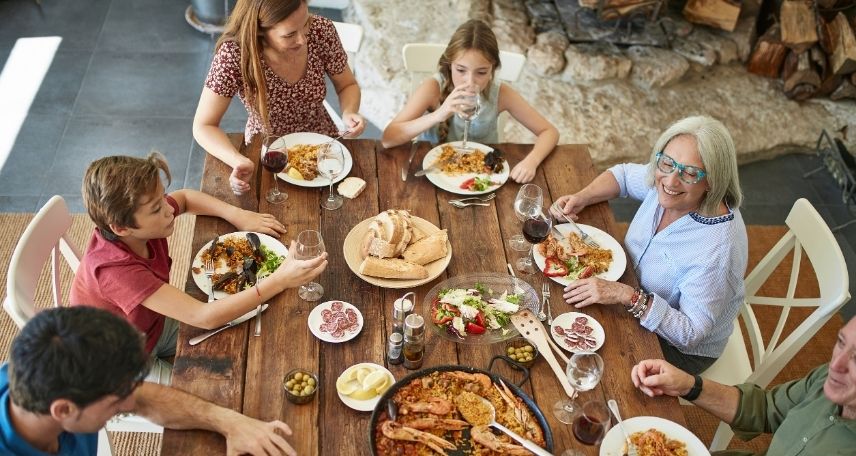
Choose one day each week for a family meal. Everyone helps plan and cook the food. Share stories from the week while eating. This time strengthens connections and creates a warm atmosphere. Keep phones away to focus on each other. A weekly meal becomes a special, predictable moment.
Seasonal Celebrations
Mark the change of seasons with small celebrations. Decorate the house or cook seasonal dishes together. Celebrate the first day of spring or the start of winter. These traditions teach children about nature and time. They also add fun and rhythm to the year. Simple seasonal acts create joyful memories.
Storytelling And Sharing Memories
Set aside time to tell family stories. Share happy moments or funny events from the past. Encourage everyone to join in, even children. This practice helps pass family history and values. It builds respect and understanding across generations. Storytelling brings family closer through shared experiences.
Making Traditions Fun And Inclusive
Making family traditions fun and inclusive helps everyone feel connected. Traditions become special moments that all family members enjoy and remember. When everyone joins in, these moments grow stronger and more meaningful. The key is to create an environment where every person feels welcome and excited to participate.
Encouraging Participation
Invite each family member to join in the tradition. Ask for ideas and listen carefully. Praise efforts and celebrate small wins. Make the experience light and joyful, so no one feels pressured. Participation grows when everyone feels their role matters.
Incorporating Everyone’s Interests
Include activities that match different tastes. Mix hobbies, favorite foods, and games that appeal to all ages. Find common ground or alternate activities each time. This approach keeps traditions fresh and enjoyable for every family member.
Keeping Traditions Flexible
Allow changes and new ideas to keep traditions alive. Avoid strict rules that may cause stress or boredom. Adapt plans to fit different schedules or moods. Flexibility helps traditions stay relevant and fun year after year.
Overcoming Challenges
Building strong family traditions is rewarding but not always easy. Challenges come up that test your commitment. Facing these obstacles with care helps your family grow closer. Keep traditions alive by finding simple solutions.
Managing Busy Schedules
Busy lives can make family traditions hard to keep. Work, school, and activities fill the calendar fast. Plan ahead by setting a regular day or time. Even short moments together can build strong memories. Use technology like shared calendars to remind everyone. Flexibility matters. Adjust plans without giving up on the tradition.
Handling Family Conflicts
Disagreements happen in every family. Conflicts can stop traditions if not handled well. Listen to each person’s feelings. Find common ground and respect different views. Keep the focus on shared goals, like love and connection. Sometimes, changing the tradition slightly helps everyone enjoy it more. Calm conversations build trust and keep traditions alive.
Maintaining Traditions During Change
Life changes, such as moving or new family members, can affect traditions. Change does not mean the end. Adapt traditions to fit new situations. Create new rituals that include everyone. Keep the spirit of the tradition, even if details change. Change can bring fresh energy and meaning. Stay open and creative to keep traditions strong.
Preserving Traditions For Future Generations
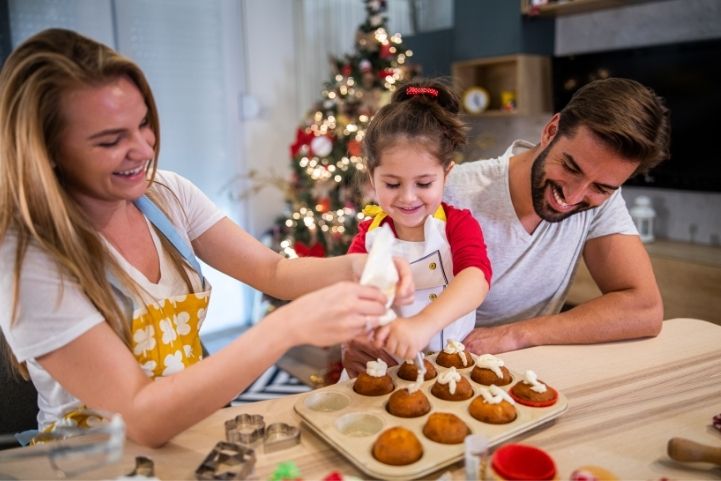
Preserving family traditions helps keep your family close over time. Traditions give each generation a sense of belonging and identity. They create memories that last a lifetime. Passing these customs on strengthens family bonds and honors your roots.
It takes effort to keep traditions alive. Writing down stories, teaching rituals, and celebrating milestones build a bridge between past and future. Each small act helps make your family history a living part of daily life.
Documenting Family Stories
Write down or record stories from older family members. These tales hold special lessons and memories. Keep journals, audio recordings, or videos. Share these stories at family gatherings to keep everyone connected.
Passing Down Rituals
Teach younger family members your traditions. Show them how to prepare special meals or perform customs. Practice these rituals regularly. Repetition helps make traditions a natural part of life.
Celebrating Milestones Together
Mark birthdays, anniversaries, and holidays with family rituals. These events offer chances to gather and create shared memories. Celebrate in ways that honor your family’s unique culture and values.
Frequently Asked Questions
What Are The Benefits Of Strong Family Traditions?
Strong family traditions create lasting bonds and foster a sense of belonging. They improve communication and provide emotional support. Traditions also build positive memories and help pass values to future generations. Overall, they strengthen family unity and resilience in everyday life.
How Can We Start New Family Traditions?
Begin by choosing meaningful activities everyone enjoys. Discuss ideas together and agree on the best options. Set a regular schedule to practice the tradition. Keep it simple and flexible to encourage participation. Over time, the tradition will become a special family ritual.
How Do Family Traditions Affect Children’s Development?
Family traditions provide children with stability and security. They teach cultural values and social skills. Traditions boost self-esteem and emotional well-being. Kids learn the importance of connection and cooperation. This foundation supports healthy growth and lifelong relationships.
How Often Should Family Traditions Be Practiced?
Frequency depends on the tradition’s nature and family schedule. Many traditions work well weekly, monthly, or annually. Consistency is key to building strong habits. Regular practice deepens emotional bonds and creates lasting memories. Choose a rhythm that fits your family’s lifestyle.
Conclusion
Building strong family traditions takes time and care. Start small and keep things simple. Share moments that bring joy and create lasting memories. Traditions help families feel close and connected. Everyone enjoys feeling part of something special. Try new ideas and include everyone’s voice.
Over time, these habits become a treasured part of family life. Keep traditions alive by doing them often. Family bonds grow stronger with each shared experience. Celebrate your unique story together and make it meaningful.