
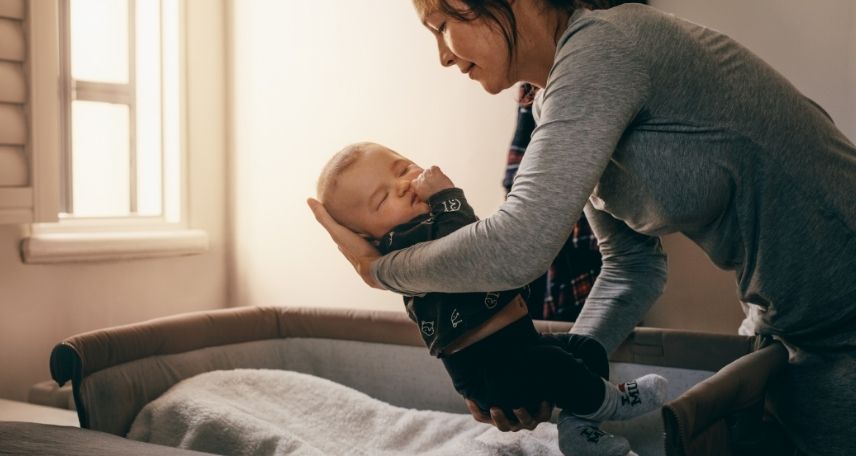
Are you wondering how long your baby should sleep in your room? You’re not alone.
Many new parents ask this question, searching for the right balance between closeness and independence. Getting this right can help you feel more confident, keep your baby safe, and even improve everyone’s sleep quality. Keep reading, and you’ll discover simple, practical advice that makes this important decision easier for you and your family.
Recommended Room Sharing Duration

Deciding how long a baby should sleep in the parents’ room is important for safety and comfort. Experts suggest a specific time frame to balance closeness and independence. Understanding the recommended duration helps parents create a safe sleep space and support the baby’s growth.
Guidelines From Pediatric Experts
Pediatricians advise room sharing without bed sharing for at least six months. This period can extend to one year based on the baby’s needs. The American Academy of Pediatrics suggests keeping the baby’s crib in the parents’ room. This helps reduce the risk of sudden infant death syndrome (SIDS).
Benefits Of Room Sharing
Room sharing allows parents to respond quickly to the baby’s needs. It helps with feeding, comforting, and monitoring the baby’s breathing. Babies often sleep better and feel safer close to their parents. This setup also supports bonding and emotional security.
Risks Of Early Transition
Moving the baby too soon to a separate room may increase the risk of sleep problems. Babies might experience more night wakings and distress. Parents may find it harder to notice breathing issues or discomfort. Early transitions can also reduce parent-baby bonding time.
Safe Sleep Practices In Parents’ Room
Keeping your baby safe during sleep is the top priority in parents’ rooms. Following safe sleep practices reduces risks and promotes healthy rest for your little one. Creating the right space and avoiding hazards helps your baby sleep soundly.
Ideal Sleep Environment Setup
Place the baby’s sleeping area close to your bed. Use a firm mattress with a fitted sheet only. Keep the room at a comfortable temperature, not too hot or cold. Avoid heavy blankets, pillows, or toys in the crib. Use a baby monitor to keep an eye on your child.
Avoiding Common Hazards
Keep cords, blinds, and curtains out of reach. Remove any loose bedding or stuffed animals from the sleeping area. Do not use soft or padded bumpers around the crib. Avoid placing the baby near heating vents or fans. Ensure the crib meets current safety standards.
Using Bassinets And Co-sleepers Safely
Choose bassinets that are sturdy and have a flat surface. Follow manufacturer instructions for assembly and use. Avoid placing bassinets on soft surfaces like sofas or beds. If using co-sleepers, ensure they attach securely to the bed. Never share the same mattress with your baby to prevent suffocation risks.
Signs Baby Is Ready For Own Room
Knowing when your baby is ready to sleep in their own room can feel confusing. Watching for clear signs helps you make the right choice. These signs show your baby’s growth and your family’s comfort. Understanding them guides you to a smooth transition.
Developmental Milestones
Babies reach key milestones before moving to their own room. Sitting up steadily or rolling over shows growing strength. These skills mean your baby can move safely. Babbling and responding to sounds also show awareness. These signs suggest your baby is ready for new space.
Sleep Patterns And Independence
Regular sleep patterns signal readiness for a separate room. Babies who sleep longer stretches at night need less comfort. Waking up fewer times means they feel secure. Babies who self-soothe can settle back to sleep alone. These habits show growing independence in sleep.
Parental Comfort And Readiness
Your feelings matter for this change. Feeling calm about baby’s safety helps ease the shift. Parents who sleep better with less worry support the move. Trusting your baby’s ability to sleep alone is key. Your readiness ensures a positive experience for all.
Adjusting Sleep Schedules During Transition
Adjusting sleep schedules during the transition from a parents’ room to a separate nursery can be challenging. Babies need time to get used to new sleeping spaces. Parents also must adapt their routines to support this change. The key is patience and consistency to help the baby feel safe and secure.
Gradual Separation Techniques
Start by placing the baby’s crib close to your bed. Move the crib slowly farther away each night. Let the baby see and hear you nearby. Use a night light to keep the room cozy. This step-by-step approach reduces anxiety and builds comfort in the new space.
Maintaining Nighttime Feeding Routines
Keep feeding times consistent to help the baby stay calm. Feed the baby in the same spot, whether in your room or theirs. Avoid big changes in feeding schedules during this transition. A familiar routine soothes the baby and helps them sleep longer.
Handling Sleep Disruptions
Expect some waking and fussiness during the move. Comfort the baby with soft words and gentle pats. Avoid picking up the baby immediately unless necessary. Try to calm them while they remain in their crib. Gradual adjustments help restore better sleep patterns.
Cultural And Family Considerations

Deciding how long a baby should sleep in the parents’ room often depends on cultural and family values. These values shape sleep habits and help families feel secure. Understanding different customs can guide parents in making choices that fit their needs and beliefs.
Different Practices Worldwide
Many cultures have unique ways of caring for newborns at night. In some countries, babies sleep in the same room as their parents for many months or even years. Others prefer the baby to sleep in a separate room soon after birth. These traditions often reflect family closeness and community support.
For example, co-sleeping is common in many Asian and African cultures. It helps mothers feed babies quickly during the night. In Western countries, room sharing without bed sharing is more common. Each approach meets different family needs and cultural beliefs.
Balancing Traditions With Safety
Families want to honor traditions while keeping babies safe. Safety guidelines recommend room sharing without bed sharing for at least six months. This lowers the risk of sudden infant death syndrome (SIDS). Parents can follow cultural practices and still protect their baby.
Parents might adjust traditional habits, like creating a safe sleep space near the bed. Using firm mattresses and avoiding soft bedding helps prevent accidents. Respecting both culture and safety creates peace of mind for parents.
Customizing Sleep Arrangements
Every family is different. Some may need the baby close for nighttime feeding or comfort. Others may want more privacy or space. Parents can create a sleep setup that fits their lifestyle and beliefs.
Room sharing can be temporary or extended based on family comfort. Portable cribs and bassinets offer flexible options. Parents should watch how their baby responds and change plans as needed. This personal approach supports the baby’s well-being and family harmony.
Frequently Asked Questions
How Long Should A Baby Sleep In Parents’ Room?
Experts recommend room-sharing for at least the first 6 months. This reduces the risk of sudden infant death syndrome (SIDS). Some parents continue room-sharing up to 12 months for comfort and easier nighttime care.
When Is The Best Time To Move Baby To Own Room?
Moving a baby to their own room between 6 to 12 months is ideal. This timing balances safety and independence. It also helps establish healthy sleep routines while maintaining comfort for both baby and parents.
Does Room-sharing Improve Baby’s Sleep Quality?
Yes, room-sharing can improve baby’s sleep quality. Being close to parents helps babies feel secure. Parents can respond quickly to needs, which reduces fussiness and promotes longer, more restful sleep.
What Are Safety Tips For Baby Sleeping In Parents’ Room?
Place the baby on a firm, flat sleep surface. Avoid soft bedding and pillows in the crib. Keep the sleep area free of toys and loose blankets. Always lay the baby on their back to sleep.
Conclusion
Keeping your baby in your room helps with bonding and safety. Most experts suggest room-sharing for at least six months. This time frame lowers risks and makes nighttime care easier. Every family is different, so trust what feels right for you.
Watch your baby’s signals and adjust as needed. A calm, consistent sleep space supports better rest for all. Remember, comfort and safety matter most in these early months.