
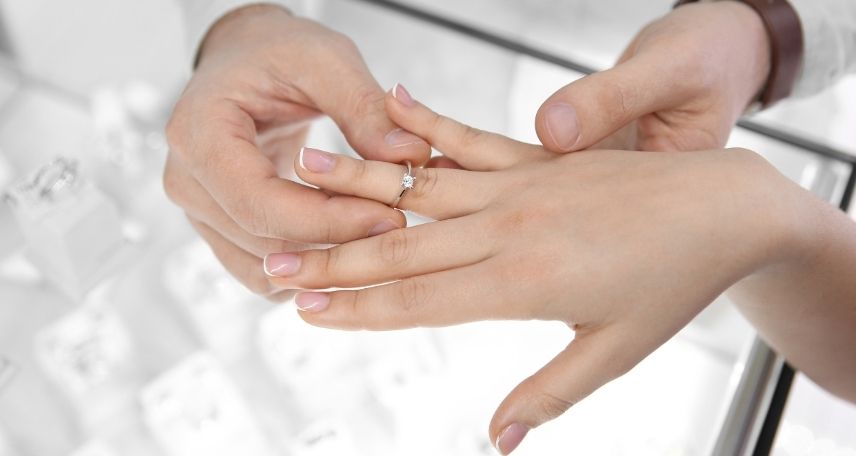
Choosing the perfect engagement ring can feel overwhelming. You want a ring that shows your love, fits your partner’s style, and stays within your budget.
But where do you start? What should you really focus on? This guide will help you cut through the noise and make a choice you’ll both treasure forever. Keep reading, and you’ll discover simple tips that make picking the right ring easier than you think.
Your perfect symbol of love is closer than you realize.
Setting A Budget
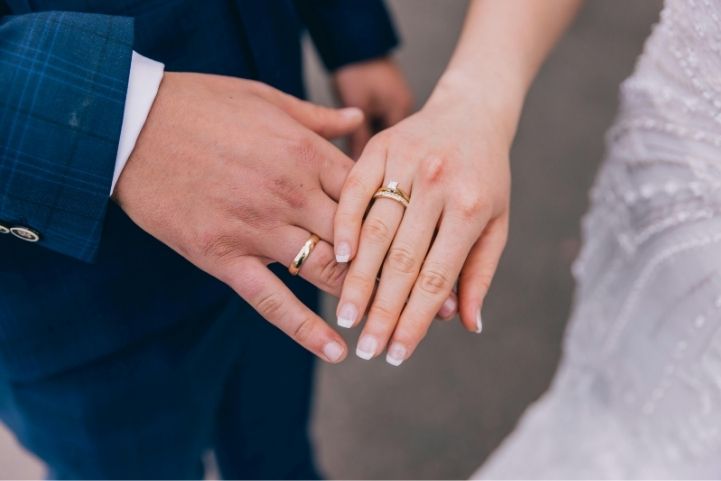
Setting a budget is the first step when choosing an engagement ring. It helps narrow down options and keeps the buying process stress-free. Knowing how much to spend avoids overspending and ensures you get the best value for your money.
Determining Your Price Range
Start by deciding how much money you can comfortably spend. Think about your current finances and future plans. Set a limit that feels right without causing financial strain. This range will guide you through the selection process.
Balancing Quality And Cost
Focus on finding a ring that offers good quality within your budget. Prioritize the most important features like diamond cut or metal type. Sometimes, a smaller diamond with better cut looks more stunning than a larger, low-quality stone.
Hidden Costs To Consider
Remember to factor in extra expenses beyond the ring price. Taxes, insurance, and resizing fees add up quickly. Shipping and warranties might also increase the total cost. Plan for these to avoid surprises later.
Choosing The Right Metal
Choosing the right metal for an engagement ring is important. The metal affects the ring’s look, feel, and how long it lasts. It also impacts comfort and how easy it is to care for the ring. Understanding metal types helps pick the best one for your needs.
Popular Metal Types
Gold is classic and comes in yellow, white, and rose colors. It is soft but can be mixed with other metals for strength. Platinum is a strong, white metal that keeps its shine longer. Silver is affordable but less durable and can tarnish over time. Palladium is similar to platinum but lighter and less costly.
Durability And Maintenance
Platinum is very strong and resists scratches well. Gold, especially 18K, is softer and needs more care. Silver can scratch and tarnish, requiring regular cleaning. Palladium is durable and does not need much maintenance. Consider how much time you can spend caring for your ring.
Matching Your Lifestyle
Active lifestyles need tougher metals like platinum or palladium. If you work with your hands, avoid soft metals like pure gold. Metals like white gold and platinum suit formal and casual styles. Choose a metal that fits your daily activities and comfort.
Selecting The Diamond Shape
Selecting the diamond shape is a key step in choosing an engagement ring. The shape changes the ring’s look and feel. It also affects the diamond’s sparkle and size appearance. Knowing the differences helps you find a shape that suits your partner’s style and personality. This guide breaks down the main factors for choosing the right diamond shape.
Classic Vs. Modern Cuts
Classic cuts like round and princess have timeless appeal. They are popular and well-known for their brilliance. Modern cuts, such as cushion or radiant, offer unique shapes and sparkle patterns. They stand out with fresh designs. Decide if you want a traditional or contemporary look. Each style has its own charm and beauty.
Face-up Appearance
The face-up view shows how the diamond looks from above. Some shapes appear larger or smaller even if the carat weight is the same. Oval and marquise shapes can look bigger because of their length. Round diamonds tend to have more sparkle. Consider how the diamond looks when worn on the finger. This view impacts the ring’s overall appeal.
Personal Style Preferences
Think about your partner’s daily style. Do they prefer bold or subtle jewelry? Simple or intricate designs? A diamond shape should match their personality and taste. Some like elegant and classic shapes. Others enjoy unique and modern cuts. Choosing a shape that fits their style makes the ring feel more special.
Evaluating Diamond Quality
Evaluating diamond quality is key to choosing the perfect engagement ring. It helps you understand what makes a diamond beautiful and valuable. Knowing the qualities lets you pick a stone that shines bright and fits your budget.
Diamonds vary in many ways. Some look clearer, others shine more. Learning about these differences ensures you make a smart choice.
The Four Cs: Cut, Color, Clarity, Carat
The Four Cs are the main factors to know. Cut means how well the diamond is shaped. Color measures how clear or tinted the diamond looks. Clarity shows if the diamond has tiny flaws inside. Carat tells the diamond’s weight and size.
Each C affects the diamond’s appearance and price. Together, they explain the stone’s overall quality.
How Each Factor Affects Sparkle
Cut is the most important for sparkle. A well-cut diamond reflects light better. Color can make a diamond look more or less bright. The less color, the more it shines.
Clarity matters less for sparkle but affects beauty. Fewer flaws mean a cleaner look. Carat changes size but not sparkle directly. Bigger diamonds draw more attention.
Certification And Authenticity
Always check for diamond certification. It confirms the diamond’s quality and truth. Certificates come from trusted labs like GIA or AGS.
Certification lists the Four Cs and other details. It protects you from fake or low-quality diamonds. Always ask to see the certificate before buying.
Considering Alternative Gemstones
Choosing an engagement ring is a special moment. Many people think only of diamonds. But alternative gemstones offer unique beauty and meaning. They come in many colors and styles. Each stone tells its own story. Alternative gemstones can make your ring truly personal.
These stones often suit different tastes and budgets. They allow creativity and express your partner’s style. Considering alternative gemstones opens a world of options beyond the traditional diamond. It invites you to explore durability, symbolism, and cost.
Popular Non-diamond Options
Sapphires are a favorite choice. They come in blue, pink, yellow, and white. Rubies display a deep red that symbolizes love. Emeralds offer rich green shades linked to growth and harmony. Morganite shines with a soft pink glow. Each stone brings a unique look and feel.
Other options include amethyst, garnet, and aquamarine. These stones provide color variety and charm. Choosing a stone your partner loves adds meaning. The shape and cut also influence the ring’s style.
Durability And Symbolism
Durability matters for daily wear. Some stones are harder and resist scratches better. Sapphires and rubies score high on the hardness scale. Emeralds are softer but have a rich history. Morganite is more delicate but very beautiful. Choose a stone that fits your lifestyle.
Symbolism can guide your choice. Rubies stand for passion. Sapphires mean loyalty and wisdom. Emeralds represent hope and renewal. Pick a gemstone that reflects your partner’s personality and your relationship.
Budget-friendly Choices
Alternative gemstones can be easier on the wallet. They often cost less than diamonds of the same size. This means you can get a larger or higher-quality stone within budget. Amethyst and garnet are affordable and look lovely.
Choosing a non-diamond stone lets you invest in a unique, beautiful ring. It balances quality, style, and cost. This approach offers value without sacrificing beauty or meaning.
Ring Size And Fit
Choosing the right ring size and fit is key to finding the perfect engagement ring. A ring that fits well feels comfortable and stays secure on the finger. It also looks better and lasts longer. Paying attention to size and fit helps avoid future resizing or discomfort. Understanding how to measure and what to expect from different bands will help you select a ring your partner will love to wear every day.
Measuring Techniques
Use a ring sizer tool or printable ring chart for accurate measurement. Measure the finger at the end of the day when it is warm. Avoid measuring when the finger is cold or swollen. Ask a jeweler to measure the finger professionally for best results. Check the size of a current ring worn on the same finger. Measure multiple times to confirm the size. Remember, small changes in size can affect comfort.
Adjustable Bands
Adjustable bands offer flexibility in fit and size changes. They can expand or contract slightly for comfort. Good for people with fluctuating finger sizes due to weather or health. They provide a temporary solution before final resizing. Adjustable rings may not suit all styles or gemstones. Consider if the design matches the need for adjustment.
Comfort And Wearability
Choose a ring that feels good on the finger all day. The band should not pinch or slide off easily. Smooth inner surfaces increase comfort during wear. Wider bands may feel tighter and need a larger size. Think about daily activities and how the ring fits into them. Comfort is as important as style in ring selection.
Finding A Trusted Jeweler
Choosing the right engagement ring starts with finding a jeweler you can trust. This step is important to ensure quality, fair prices, and good service. A trusted jeweler will help you pick a ring that fits your style and budget. They will guide you through the buying process and answer your questions clearly.
Reputation And Reviews
Check the jeweler’s reputation before buying. Look for honest customer reviews online. Positive feedback shows the jeweler is reliable. Watch out for complaints about poor service or low-quality products. Ask friends or family for recommendations. A good reputation means the jeweler cares about customers.
Return Policies And Warranties
Understand the return policy before making a purchase. A clear and fair return policy protects your money. Find out if the jeweler offers warranties on their rings. Warranties cover repairs and defects. This ensures the ring stays beautiful and lasts long. Knowing these policies gives peace of mind.
Custom Design Services
Some jewelers offer custom design services. This allows you to create a unique ring. You can choose the metal, setting, and diamond style. Custom rings reflect personal taste and meaning. Ask if the jeweler works closely with clients. Skilled jewelers listen and bring your vision to life.
Personalizing The Ring
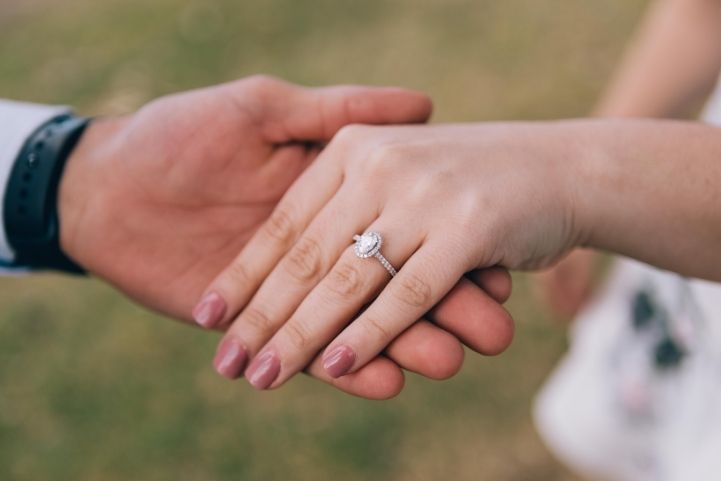
Personalizing an engagement ring makes it truly special. It reflects your unique story and feelings. A ring with personal touches stands out from others. It carries meaning beyond the gemstone and metal. Small details can create a big impact.
Engravings And Inscriptions
Engraving a message inside the ring adds sentiment. Dates, names, or short phrases keep memories close. Handwritten notes or fingerprints make it unique. These small marks turn the ring into a private treasure. It becomes a symbol only you both fully understand.
Unique Design Elements
Choose design features that match your partner’s style. Custom shapes, mixed metals, or unusual stones make the ring different. Adding personal symbols, like birthstones or meaningful motifs, adds depth. These touches show thoughtfulness and care. The ring will feel tailored just for your love.
Matching Wedding Bands
Consider how the engagement ring fits with the wedding band. Matching bands create a unified and elegant look. Contrasting styles can highlight each ring’s beauty. Think about metal colors, shapes, and textures. Planning both rings together ensures harmony and lasting appeal.
Frequently Asked Questions
What Is The Best Metal For An Engagement Ring?
The best metal depends on durability, budget, and style. Popular choices include platinum, white gold, yellow gold, and rose gold. Platinum is durable and hypoallergenic, while gold offers classic appeal. Choose metal that fits your lifestyle and personal preference.
How To Choose The Right Engagement Ring Size?
Measure the ring size discreetly using a ring sizer or borrow a ring they wear. Alternatively, ask friends or family for help. Proper sizing ensures comfort and avoids costly resizing later.
What Are The 4 Cs Of Engagement Rings?
The 4 Cs are Cut, Color, Clarity, and Carat weight. Cut affects sparkle, color impacts appearance, clarity measures flaws, and carat defines size. Understanding these helps in selecting a high-quality diamond within your budget.
Should I Consider Ring Style And Lifestyle?
Yes, choose a ring style that matches daily activities and personal taste. For active lifestyles, durable settings like bezel are ideal. Classic styles suit traditional tastes, while modern designs appeal to trendsetters.
Conclusion
Choosing the right engagement ring shows your love and care. Think about style, budget, and your partner’s taste. Focus on quality and what feels special to both of you. Take your time and ask questions at the jeweler. A thoughtful ring makes the moment unforgettable.
Trust your heart and enjoy the process. Soon, you will find the perfect symbol of your love.