
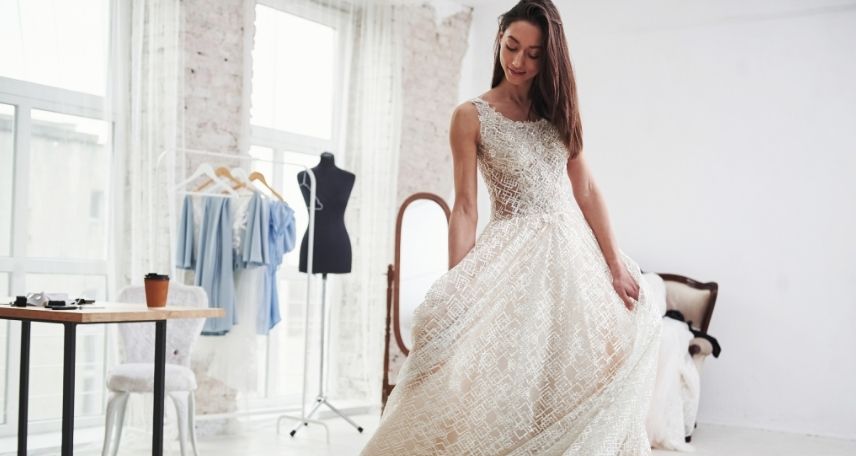
Choosing your wedding dress is one of the most exciting – and sometimes overwhelming – parts of planning your big day. You want a dress that makes you feel beautiful, confident, and truly yourself.
But with so many styles, fabrics, and details, where do you even start? This guide will help you cut through the noise and find the perfect dress that fits your body, your style, and your wedding vision. Keep reading to discover simple tips that will make this important decision feel clear and joyful.
Your dream dress is waiting.
Know Your Body Shape
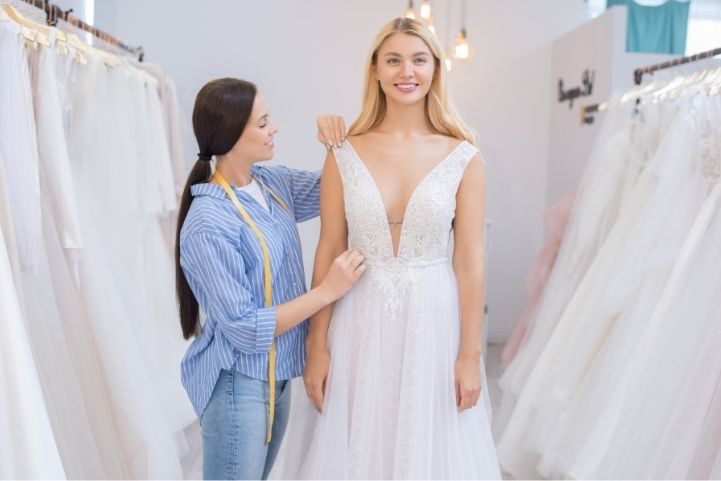
Choosing a wedding dress starts with knowing your body shape. This helps find a dress that fits well and feels comfortable. Every body is unique. Understanding your silhouette guides you to the right style.
Identify Your Silhouette
Look at your body from head to toe. Notice your shoulders, waist, hips, and overall shape. Common silhouettes include pear, apple, hourglass, and rectangle. Each shape suits different dress styles best. Knowing your silhouette narrows down your options fast.
Highlight Your Best Features
Focus on parts you love most. A well-cut dress brings attention to your best features. For example, a fitted bodice shows off a slim waist. A V-neckline can draw eyes upward to your face. Choose details that make you feel confident.
Balance Proportions
Balance keeps your look harmonious. Dresses with volume on the bottom suit narrow hips. Structured tops help broader shoulders. A-line skirts balance wider hips. The right dress creates a smooth, flattering line from top to bottom.
Set Your Budget
Setting a budget for your wedding dress is an important first step. It helps you focus on options that fit your price range. Knowing your budget also reduces stress during shopping. It keeps your choices realistic and manageable.
Keep in mind, the dress price is not the only cost. There are other expenses that you should plan for. These extra costs can add up quickly.
Consider Alteration Costs
Most wedding dresses need some alterations. Adjusting the fit can make a big difference. Tailoring can include hemming, taking in seams, or adding details. Alteration costs vary based on work needed. Set aside money specifically for these changes. This avoids surprises after you buy the dress.
Plan For Accessories
Accessories complete your bridal look. Veils, shoes, jewelry, and undergarments can be costly. These items may not be included in the dress price. Decide what accessories you want early on. Budget for these extras to prevent overspending. Remember, small items can add up fast.
Explore Financing Options
Some bridal shops offer payment plans. These plans let you spread out the cost. Check for any interest or fees before signing up. Another option is using a credit card with rewards. Choose financing methods that suit your financial situation. This helps you get the dress you love without stress.
Research Dress Styles
Choosing the perfect wedding dress starts with research. Explore different styles to find what fits your personality. Understanding dress designs helps you make the right choice. It also saves time during shopping.
Classic Vs. Modern Designs
Classic wedding dresses never go out of style. They often feature timeless shapes like A-line or ball gown. These designs offer elegance and tradition. Modern dresses show more creativity and trends. They may include unique cuts or bold details. Think about what fits your wedding theme and you.
Popular Necklines And Sleeves
Necklines change the look of any dress. Strapless, sweetheart, and V-neck are popular options. Each gives a different feel, from romantic to chic. Sleeves also add style and comfort. Long, short, or sleeveless designs suit different seasons and preferences. Choose a neckline and sleeves that highlight your best features.
Fabric Choices And Comfort
Fabric affects both style and comfort. Satin, lace, and tulle are common wedding dress materials. Satin looks smooth and shiny, perfect for formal weddings. Lace adds a delicate and vintage touch. Tulle creates volume and a fairy-tale look. Consider the weather and how long you will wear the dress. Comfort matters just as much as appearance.
Choose The Right Fit
Choosing the right fit for your wedding dress makes all the difference. It helps you feel confident and comfortable on your big day. A dress that fits well highlights your best features. It also moves with you as you walk and dance. Pay close attention to fit during your dress selection process.
Understand Different Dress Fits
Wedding dresses come in many fits. Some popular fits are A-line, mermaid, ball gown, and sheath. Each fit changes how the dress looks on your body. A-line fits flare out gently from the waist. Mermaid fits hug your body and flare at the knee. Ball gowns have full skirts, perfect for a dramatic look. Sheath dresses are slim and follow your body closely. Knowing these fits helps you pick one that suits your shape and style.
Schedule Multiple Fittings
Fittings are essential to get your dress just right. Plan to have several fittings before the wedding. Your body can change, so adjustments might be needed. Start fittings early to allow enough time for changes. Each fitting helps refine the dress shape and length. Don’t rush this step. Taking time ensures your dress fits perfectly on your wedding day.
Communicate With Your Seamstress
Your seamstress is key to a perfect fit. Share your concerns and preferences clearly. Talk about comfort, movement, and style. Ask questions if you don’t understand something. A good seamstress listens and offers helpful advice. Regular communication avoids surprises and ensures the dress fits your vision. Teamwork with your seamstress makes the process smooth and stress-free.
Consider The Wedding Theme
Choosing a wedding dress starts with the wedding theme. The theme sets the mood and style for your big day. Your dress should fit the overall vibe. It helps create a beautiful and harmonious look. Think about the colors, setting, and formality of your event. These elements guide your dress choice.
Match Dress To Venue
The wedding location affects your dress style. A beach wedding calls for light, flowy fabrics. A formal ballroom needs an elegant, structured gown. Outdoor garden weddings suit romantic and soft dresses. Consider the venue’s atmosphere to pick a dress that fits well. This helps you feel comfortable and look perfect.
Seasonal Dress Options
Seasons influence fabric and dress design. Spring and summer favor lighter materials like chiffon or lace. Fall and winter weddings suit heavier fabrics like satin or velvet. Long sleeves add warmth in cold weather. Sleeveless or strapless dresses keep you cool in summer. Match your dress to the season for comfort and style.
Reflect Personal Style
Your dress should show who you are. Choose a style that matches your personality. Classic, modern, bohemian, or vintage—pick one that feels true to you. This makes your wedding day more special. When you love your dress, confidence shines through. Stay true to yourself for a memorable look.
Start Early And Stay Organized
Choosing a wedding dress takes time and careful planning. Starting early helps avoid stress. It gives you space to explore styles and find the perfect fit. Staying organized keeps all your ideas and options clear. This makes the process smoother and more enjoyable.
Create A Dress Shopping Timeline
Set a timeline for your dress search. Begin at least six to nine months before the wedding. This allows time for appointments, fittings, and alterations. Write down important dates and deadlines. Keep this timeline visible to stay on track.
Keep Track Of Favorites
Save pictures of dresses you like. Use a folder on your phone or computer. Note what you like about each dress. Compare styles, fabrics, and details. This helps narrow your choices and remember your favorites during shopping.
Bring Trusted Opinions
Choose one or two people to join you. Pick those who know your style and support your choice. They offer honest feedback without pressure. Too many opinions can confuse you. Trusted friends or family keep the focus on your happiness.
Test Comfort And Mobility
Choosing a wedding dress is more than just picking a pretty design. Comfort and ease of movement matter a lot. You will wear the dress for many hours. Testing how the dress feels and moves can help you avoid discomfort on your big day. Try different actions to see if the dress suits your needs.
Walk And Sit In Dresses
Walk around in the dress to check its fit and flow. See if the fabric pulls or restricts your steps. Sit down in the dress as well. Notice if it feels tight or awkward. Make sure you can sit comfortably without adjusting the dress constantly. These tests show how the dress works with your body.
Check Weight And Breathability
Feel the dress’s weight on your shoulders and arms. Heavy dresses can tire you quickly. Also, check how breathable the fabric is. Breathable materials keep you cool, especially in warm weather. Choose a dress that feels light and lets air flow. This keeps you fresh and comfortable all day.
Plan For Long Wear
Think about wearing the dress for many hours. Will it stay comfortable during the ceremony and party? Try to imagine moving, dancing, and sitting for long periods. The dress should not cause pain or irritation. Pick a dress that supports long wear without issues. Comfort means enjoying your day fully.
Finalize With Accessories
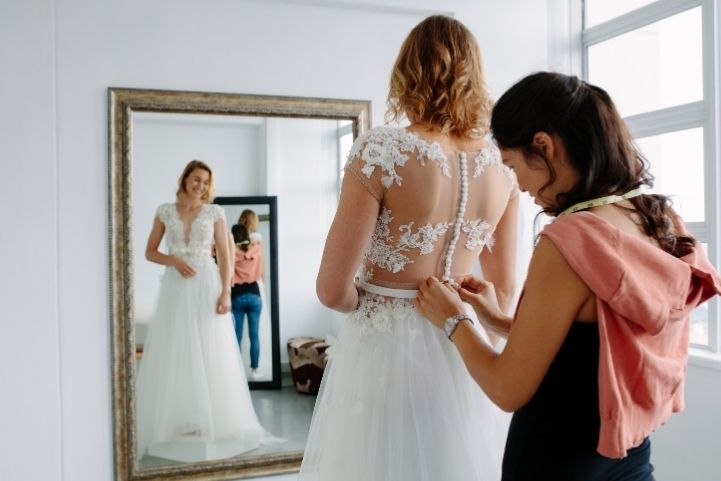
Finalizing your wedding dress means adding the perfect accessories. These small details complete your look. They bring harmony and style to your outfit. Choose pieces that match your dress and personality. Accessories also highlight your best features. Balance and simplicity often work best.
Choose Veils And Headpieces
Veils add a classic touch to your dress. Pick a veil that fits the style of your gown. Long veils suit formal dresses. Short veils work well with casual styles. Headpieces like tiaras, combs, or flowers add charm. Match colors and materials with your dress. Avoid heavy or large headpieces that overshadow your face.
Select Shoes And Jewelry
Shoes should be both pretty and comfortable. Consider your venue and walking needs. Choose shoes that match your dress color or theme. Jewelry should enhance your neckline and dress details. Simple earrings and a bracelet often work well. Avoid bulky jewelry if your dress has many details.
Coordinate With Hairstyle
Your hairstyle affects accessory choices. Updos show off earrings and necklines. Loose hair suits smaller, subtle accessories. Work with your stylist to match hair and accessories. The goal is a balanced, elegant look. Avoid too many focal points in one area.
Frequently Asked Questions
How Do I Find The Perfect Wedding Dress Style?
Consider your body shape, personal style, and wedding theme. Research dress styles online and try different silhouettes to see what flatters you best. Prioritize comfort and confidence when choosing your dress.
When Should I Start Shopping For A Wedding Dress?
Begin shopping 8 to 12 months before your wedding day. This allows time for ordering, alterations, and fittings. Starting early reduces stress and gives you ample options to explore.
What Are The Best Fabrics For Wedding Dresses?
Popular fabrics include satin, lace, chiffon, and tulle. Choose fabric based on season, comfort, and dress style. Lightweight fabrics suit summer weddings, while heavier ones are good for cooler months.
How Much Should I Budget For A Wedding Dress?
Typical wedding dresses range from $1,000 to $3,000. Set a budget that fits your overall wedding plan. Remember to include costs for alterations and accessories.
Conclusion
Choosing your wedding dress is a special moment. Trust your feelings and pick what feels right. Focus on comfort as well as style. Remember, the dress should make you happy and confident. Take your time and enjoy the process. Your perfect dress will reflect who you are.
Celebrate this step in your wedding journey. You will shine on your big day.