
Are you confused about whether to choose fluoride toothpaste or go for a non-fluoride option? You’re not alone.
Your daily choice can impact your teeth’s health in ways you might not realize. Understanding the real difference between these two types of toothpaste can help you make a smarter decision for your smile. Keep reading to discover which option suits your needs best and why it matters more than you think.
Benefits Of Fluoride Toothpaste
Fluoride toothpaste offers clear advantages for dental health. It helps protect teeth and keeps smiles strong. Using fluoride toothpaste is a simple step for better oral care.
How Fluoride Strengthens Enamel
Fluoride makes tooth enamel harder and more resistant to damage. It bonds with enamel to create a stronger surface. This helps teeth fight acid attacks from food and drinks.
Prevention Of Tooth Decay
Fluoride toothpaste helps stop cavities from forming. It slows down the growth of harmful bacteria in the mouth. This reduces the chance of tooth decay and keeps teeth healthy.
Role In Remineralization
Fluoride supports the natural repair of teeth. It helps rebuild areas damaged by acids. This process, called remineralization, restores enamel and prevents further decay.
Advantages Of Non-fluoride Toothpaste
Non-fluoride toothpaste offers several benefits for oral care. It uses natural ingredients that support healthy teeth. Some people choose it for sensitive teeth or to avoid fluoride exposure. This type of toothpaste can be a gentle and effective alternative.
Natural Ingredients And Their Effects
Non-fluoride toothpaste often contains natural elements like baking soda, aloe vera, and coconut oil. These ingredients help clean teeth gently without harsh chemicals. They may reduce plaque and freshen breath naturally. Some also have antibacterial properties that protect gums.
Suitability For Sensitive Teeth
People with sensitive teeth often find relief with non-fluoride toothpaste. It usually lacks strong chemicals that cause irritation. The mild formulas reduce discomfort during brushing. This makes daily oral care easier for sensitive mouths.
Avoiding Fluoride Overexposure
Some individuals want to avoid fluoride overexposure for health reasons. Using non-fluoride toothpaste eliminates fluoride intake from brushing. This option helps control the total amount of fluoride a person gets. It suits those who use other fluoride sources or want minimal fluoride use.
Comparing Effectiveness
Choosing between fluoride and non-fluoride toothpaste affects your oral health. Both types aim to clean teeth and fight cavities. Understanding their effectiveness helps you make a better choice. Below, we compare their benefits based on scientific research and health results.
Scientific Studies And Findings
Many studies show fluoride toothpaste reduces cavities more than non-fluoride types. Fluoride strengthens tooth enamel by making it more resistant to acid attacks. It also helps repair early tooth decay. Non-fluoride toothpaste mainly cleans teeth but lacks this protective effect. Research supports fluoride as a key factor in cavity prevention.
Long-term Oral Health Outcomes
Using fluoride toothpaste over time lowers the risk of tooth decay and cavities. It helps maintain stronger, healthier teeth. Non-fluoride toothpaste may keep teeth clean but offers less protection against decay. People using fluoride products often experience fewer dental problems as they age. Long-term benefits favor fluoride for better oral health.
Impact On Different Age Groups
Children benefit greatly from fluoride toothpaste. It helps protect their developing teeth from decay. For adults, fluoride continues to prevent cavities and enamel erosion. Seniors may also gain protection against root decay with fluoride use. Non-fluoride toothpaste can clean teeth but does not offer the same decay protection for any age group.
Safety Concerns And Myths
Safety concerns and myths often confuse people about fluoride toothpaste. Many worry about health risks linked to fluoride. Others think fluoride is harmful in all amounts. Understanding the facts helps clear doubts and makes tooth care safer.
Fluoride Toxicity Risks
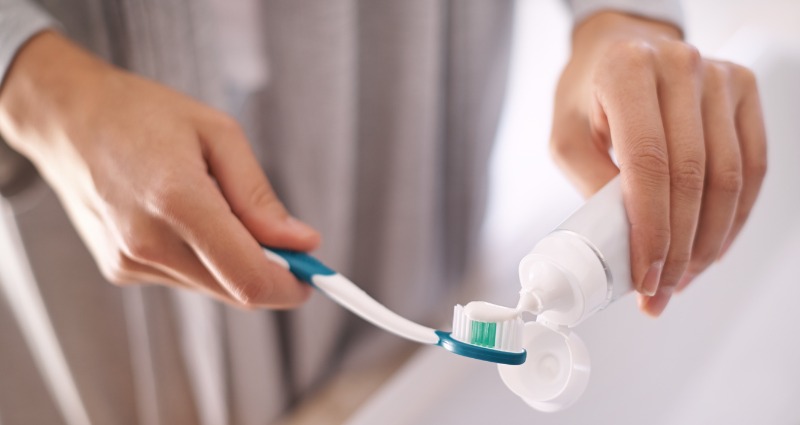
Fluoride is safe in small amounts. Large amounts can cause toxicity, but this is rare. Most toothpaste has low fluoride, enough to protect teeth. Swallowing too much fluoride toothpaste can upset the stomach. Children should use only a pea-sized amount. Keep toothpaste out of reach of very young kids.
Common Misconceptions
Some say fluoride causes diseases, but studies do not support this. Fluoride does not cause cancer or brain problems at normal levels. Another myth is fluoride weakens teeth. Actually, fluoride strengthens enamel and fights decay. Myths often come from misunderstandings or outdated information.
Safe Usage Guidelines
Use a small amount of fluoride toothpaste. Brush twice daily and spit out excess. Do not swallow toothpaste during brushing. Children under six need supervision while brushing. Use fluoride toothpaste recommended by dentists. Follow package instructions for best results. Proper use keeps teeth healthy and avoids risks.
Choosing The Right Toothpaste
Choosing the right toothpaste is important for good oral health. Different kinds of toothpaste suit different needs. Some have fluoride, which helps fight cavities. Others are fluoride-free and appeal to those avoiding chemicals. Picking the best option depends on personal health and preferences.
Considering Personal Oral Health Needs
Think about your teeth and gums. Do you have sensitive teeth or gum problems? Fluoride toothpaste helps protect teeth from decay. Non-fluoride options may be gentler for sensitive mouths. Your diet and habits also affect your choice. Choose toothpaste that matches your specific needs.
Consulting Dental Professionals
Dentists can guide you to the best toothpaste. They understand your oral health well. A professional can recommend fluoride toothpaste if you are prone to cavities. For allergies or sensitivities, they might suggest alternatives. Regular dental visits help keep your oral care on track.
Balancing Benefits And Preferences
Fluoride toothpaste prevents tooth decay effectively. Non-fluoride toothpaste avoids certain chemicals and additives. Some people prefer natural ingredients and flavors. Taste, texture, and brand also matter. Find a toothpaste that fits both your health needs and personal likes.

Frequently Asked Questions
What Are The Benefits Of Fluoride Toothpaste?
Fluoride toothpaste helps prevent tooth decay by strengthening enamel. It reduces cavities and protects teeth from acid attacks caused by bacteria in the mouth. Regular use supports overall oral health and reduces the risk of cavities significantly.
Is Fluoride Toothpaste Safe For Daily Use?
Yes, fluoride toothpaste is safe when used as directed. Using a pea-sized amount twice daily is recommended. Excessive ingestion can cause fluorosis, but normal brushing poses no health risks for most people.
How Does Non-fluoride Toothpaste Protect Teeth?
Non-fluoride toothpaste often contains natural ingredients like xylitol or herbal extracts. These help clean teeth, reduce plaque, and soothe gums. However, they may not offer the same cavity protection as fluoride toothpaste.
Can Children Use Fluoride Toothpaste Safely?
Children can use fluoride toothpaste but in limited amounts. For kids under 3, use a smear the size of a grain of rice. For ages 3-6, a pea-sized amount is ideal to prevent swallowing excess fluoride.
Conclusion
Choosing between fluoride and non-fluoride toothpaste depends on your needs. Fluoride helps fight cavities and keeps teeth strong. Non-fluoride options may suit those with sensitivity or allergies. Talk to your dentist to find the best choice. Good brushing habits matter most for healthy teeth.
Use the toothpaste that fits your mouth and lifestyle. Keep your smile bright and your teeth clean every day. Simple care makes a big difference.